Australia's youngest World Cup starter draws early Barcelona whispers
Lucas Herrington became the youngest Australian to start a World Cup match, and the 19-year-old central defender is already being linked with Barcelona — a trajectory that says as much about scouting economics as it does about him.
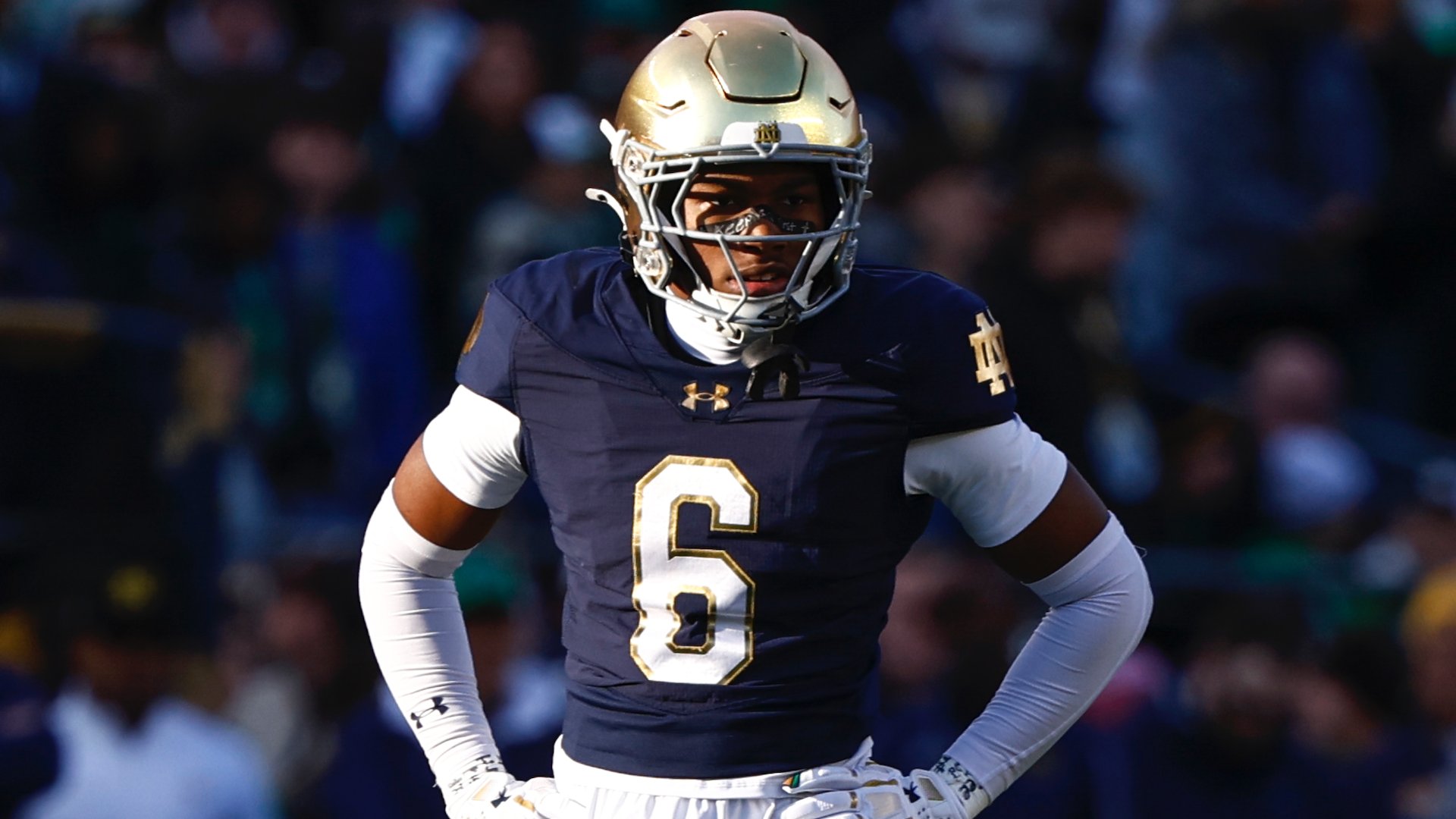
Australia's teenage defender Lucas Herrington has spent the past week doing the thing the most-watched teenagers in football rarely manage: he has taken the noise in his stride. On 28 June 2026 the Guardian reported that the 19-year-old centre-back became the youngest Australian ever to start a World Cup match, and within hours of the final whistle his name was being whispered into the same sentence as FC Barcelona.
The structural story here is not really about Herrington. It is about how the global talent market now treats a strong tournament at youth level as an open auction, with European super-clubs circling before the player has finished his development cycle. Barcelona's reported interest — first flagged in the same Guardian dispatch — is the headline; the underlying pattern is what deserves the closer read.
A record framed by circumstance
Herrington's selection was as much a function of Australia's defensive injury list as it was a coronation. Head coach Tony Popovic, parachuted into the role after the sacking of Graham Arnold in 2025, has been forced to blood young players at the back, and the teenager has started ahead of more seasoned options. The Guardian notes his "unflappable" temperament, a quality that reads as a coach's note rather than a statistical claim: he has not been beaten for pace, has not made the headline error, and has not looked out of place against opponents who, on paper, should have eaten him alive.
That matters because the Australian football public has spent two decades watching technically gifted attackers — the Nestory Irankunda and Cristian Volpato archetype, players who dribble past two men and end up on the front of the programme — get exported to European leagues with varying degrees of success. A centre-back who steps into a tournament and does not embarrass himself is, by the standards of the position, an event.
The Barcelona question
The reporting does not name a transfer figure, a contract length, or an agent. It notes that the Catalan club have been linked with the player, a phrase that in modern football means anything from a formal enquiry to a scout sitting in the stands with a clipboard. Barcelona's recruitment model under the post-Laporta financial rebuild has tilted aggressively toward young, high-ceiling assets whose resale value protects the wage bill from La Liga's salary-cap regime. A 19-year-old Australian international on a free or low fee fits that template precisely.
The counter-reading is straightforward: linking is easy. Every elite tournament produces a cluster of names attached to elite clubs, and most of those links dissolve inside a fortnight. The honest framing is that Herrington has put himself on a shortlist he was not previously on. Whether he ends up at Camp Nou, at a Bundesliga mid-table side, or at a Championship club learning his trade, depends on the next eighteen months as much as on the next ninety minutes.
A pipeline that did not exist a decade ago
The structural backdrop is the professionalisation of the A-League pathways and the growing footprint of Australian agents in Europe. Herrington came through the Central Coast Mariners academy — the same production line that produced Irankunda — and has been embedded in a first-team environment since his mid-teens. The Australian game no longer relies on the old export model of sending a teenager to a trial at Middlesbrough and hoping. Players now arrive with video packages, representation, and competitive minutes behind them.
That pipeline cuts both ways. It raises the floor of the national team — Australia qualified for this tournament with a squad that is, on average, younger and less European-league-dependent than any Socceroos squad of the past twenty years — and it accelerates the auction clock. By the time Herrington has played twenty senior internationals, he will have been scouted more thoroughly than Mark Schwarzer was by the age of thirty.
What remains uncertain
The sources do not specify the financial terms of any reported Barcelona interest, nor do they identify which intermediaries are conducting any negotiations. The Guardian's framing is cautious: linked, not signed; admired, not agreed. The defensive metrics from this World Cup — duels won, aerial success rate, errors leading to shots — are not in the public thread and would need independent tracking data to assess properly.
What can be said with confidence is this: an Australian teenager has started a World Cup match, has not been exposed, and has generated a transfer rumour cycle that would normally attach to a player with twice his senior caps. The rest is the market doing what the market does.