Serena Williams returns to Wimbledon singles, with the long goodbye on hold
Seven-time Wimbledon singles champion Serena Williams has accepted a singles wildcard for the 2026 Championships, telling reporters she had to talk herself into it after a long layoff.
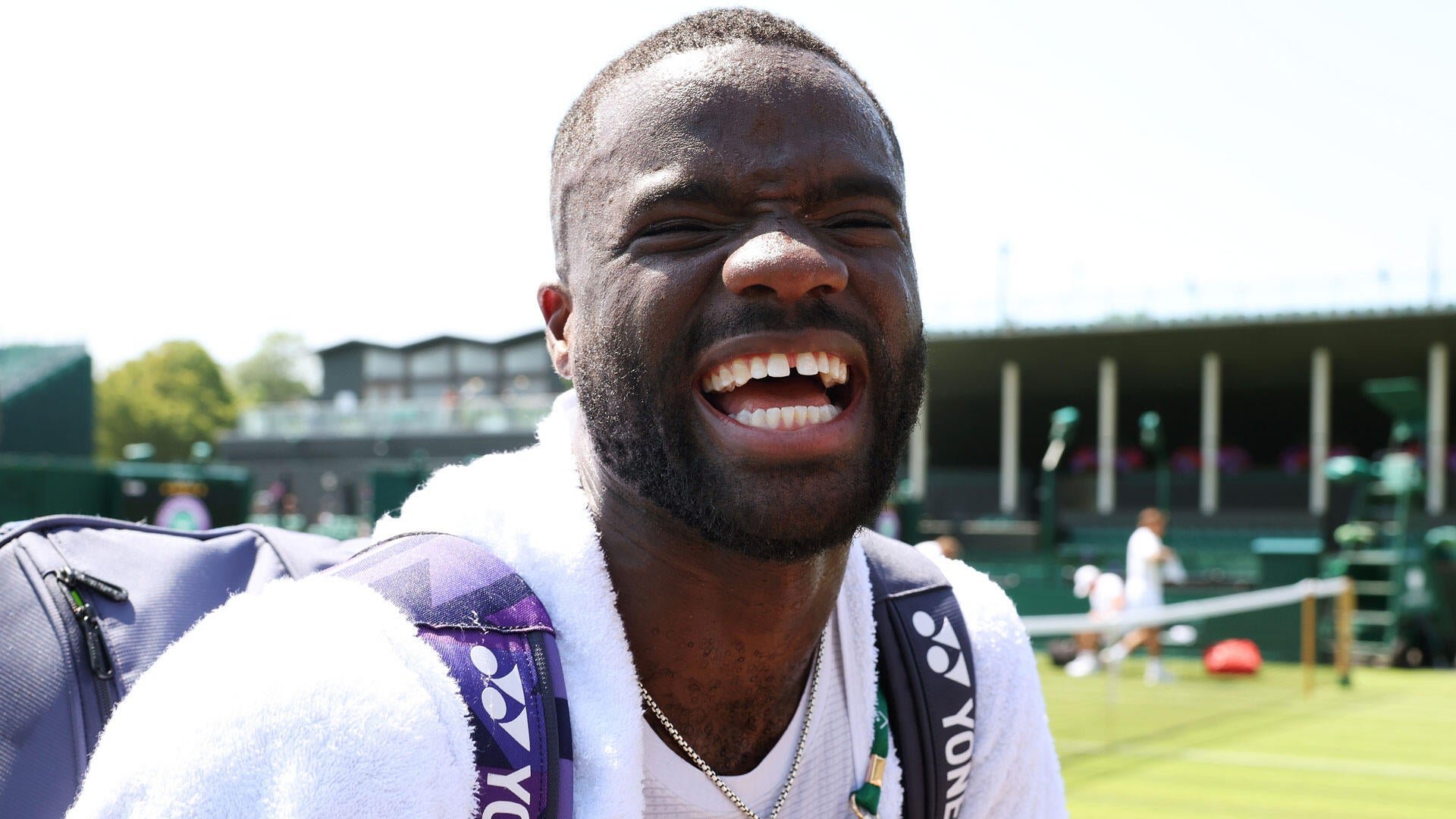
Seven-time Wimbledon singles champion Serena Williams will play singles at the 2026 Championships after accepting a wildcard from the All England Club, ending more than a year away from the tour. The 43-year-old American confirmed the decision on Sunday, telling reporters she had to talk herself into returning after a long spell off the competitive circuit that included a brief comeback at Queen's Club earlier this month.
The return matters less for the draw — Williams has not played a full season since stepping away from tennis in 2022 — than for what it says about how the sport treats its icons in their late careers. Wimbledon is offering her the stage; whether the legs and the serve respond is a separate question, and one Williams herself seems to keep returning to.
A wildcard, not a coronation
Williams said on 28 June 2026 that she had to "talk herself into" accepting Wimbledon's offer, language that frames the appearance as a decision actively made rather than a gift passively received. That matters: the framing pushes against the easier read that this is a ceremonial lap, the kind of late-career send-off the tour hands out for nostalgia and television windows. ESPN reported the comments on 28 June 2026; The Guardian carried a fuller profile on 29 June 2026 in which Williams explicitly raised the possibility that this could be the last tournament of her career, asking in her own words, "Will I make it here again?"
The wildcard itself is unremarkable as a Wimbledon mechanism. The All England Club reserves the right to invite returning champions, and the on-court consequences — early-round exposure to seeded opposition, best-of-three sets for the women, the Centre Court glare — are standard. What is unusual is the player accepting it. Williams told The Guardian she had "evolved away" from tennis during her time off, an unusually flat description of what most champions call retirement. The phrasing matters because it leaves the door visibly open while admitting the door was closed for a long stretch.
The Queen's Club warm-up
Williams returned to professional competition two weeks before Wimbledon at Queen's Club in London, a grass-court event typically used by top players as a Wimbledon tune-up. The Queen's appearance was itself a news event: she had not played a tour-level singles match in roughly three years. The Guardian's profile notes the run-up "for two long weeks" since that return, signalling how compressed the build-up has been.
What Queen's offered was a live read on where her game actually stands. The thread context does not record her result; the profile instead leans on her own characterisation of the comeback, which is the more reliable signal of how she is framing the moment to herself. She is not pretending this is 2015, and she is not pretending it is a hobby. The middle register — competitive but unsentimental — is the one she is choosing.
Counter-read: the tour needs her more than she needs it
The obvious alternate read is that this is not really about Williams at all. Wimbledon and the WTA both face a ratings and attendance problem in the post-Big Three era, and a Serena Williams wildcard sells tickets, sells advertising, and pushes social-media volume in a way almost no current women's player can. The All England Club does not pretend otherwise; wildcards to returning champions are partly commercial instruments.
That framing holds, but only up to a point. Williams did not have to accept. She has the financial security, the brand, and the legacy to make a one-off, an exhibition, a Netflix special — any of which would generate comparable attention without the risk of a first-round loss to a top-20 player on Centre Court. The fact that she chose the competitive route, with all its exposure, is the news. The tour may need her; she does not appear to need the tour. The asymmetry is the story.
Stakes: a real draw, a real risk
The structural question is whether Williams can compete at tour level after this long away, and the honest answer is that nobody — including, by her own account, Williams — knows. Grass rewards a big serve and short points, which is her natural surface. But the women's draw has hardened around Iga Świątek, Aryna Sabalenka, Coco Gauff and Elena Rybakina, all of whom have logged full 2025 and 2026 seasons on tour.
What is at stake for the sport: a deep run would be one of the more remarkable late-career results in modern tennis; an early exit will not damage her legacy, but it will reinforce the read that this was always about the walk-on rather than the win. For Williams personally, the calculus she described — talking herself into it, asking out loud whether this is the last time — suggests she has already gamed through both outcomes and decided the experience was worth the exposure either way.
What we do not know
The sources do not specify her first-round opponent, her current ranking status, or how Wimbledon seeded or listed her in the draw. The Guardian and ESPN coverage stops at her own framing of the decision. The narrative rests entirely on her quoted remarks and on the institutional fact of the wildcard; the competitive layer — who she plays, when, and on which court — will fill in only when the Championships release the draw.
Desk note: where the wire coverage has leaned on the ceremonial angle, Monexus focused on Williams's own framing of the decision — the language of talking herself into it — as the more durable read of what is actually changing.