The ceasefire nobody is calling a ceasefire: what the pause in South Lebanon actually means
Fighting in South Lebanon has paused while US-Iran negotiations play out. The wire is calling it everything except what it is — and that framing is itself the story.
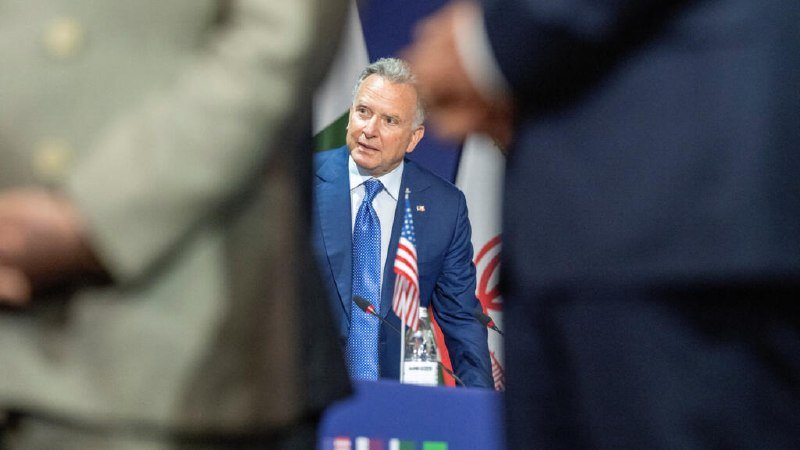
At 15:20 UTC on 29 June 2026, three dispatches filed from South Lebanon by The Electronic Intifada landed within minutes of one another. Jon Elmer reported a pause in fighting linked to ongoing US-Iran negotiations. Roqayah Chamseddine filed from the south of the country, on the ground, describing what the lull actually looks like when you are standing in it. A third piece, also from Elmer, reconstructed a fierce Hezbollah battle that had played out the week before the pause took hold. Read in sequence, the three items describe something the wire services have so far declined to name.
A ceasefire requires two governments to sign something. What is happening in South Lebanon at the end of June 2026 is not that. It is a tactical quiet, brokered at a distance, in service of a diplomatic track the warring parties themselves are not at the table for. Calling it anything else obscures who is being protected by the silence, and who is paying for it.
The shape of the pause
Elmer's first dispatch, published 29 June, frames the lull as derivative — a function of movement on the US-Iran track rather than any bilateral Lebanese or Israeli decision. The second piece, Chamseddine's on-the-ground report, gives the pause texture: the sounds that have stopped, the movements that have resumed, the civilians moving through spaces that were, a week ago, lethal. Her reporting is the kind that resists abstraction because it is anchored in place and time. The third dispatch, also from Elmer, reminds the reader what the quiet replaced — heavy combat the week prior, with Hezbollah on the front foot in at least one sector.
None of the three pieces characterise the situation as a formal ceasefire. That absence of framing is itself informative. A formal cessation requires a memorandum, a signatory, and an enforcement architecture. What is on offer here is something looser: an understanding that intense operations on one axis of the Iranian-aligned axis will be dialled back while a nuclear-file negotiation proceeds on a separate axis. The two tracks share geography but not architecture.
What the wire is doing instead
Mainstream coverage has leaned on a vocabulary of "de-escalation," "halt," "truce-like lull," and other formulations that avoid the word "ceasefire" while performing a similar rhetorical function. The choice is consequential. "Ceasefire" implies parties, obligations, and a violation register. "De-escalation" implies process, momentum, and a beneficent direction of travel. The first framing invites accountability for what happens next; the second invites patience.
This publication finds the second framing structurally misleading. A pause purchased by the absence of strikes is not the same instrument as a pause purchased by a signed instrument. The first can be reversed by a phone call; the second cannot. Reporters who treat the two as interchangeable are not wrong in any narrow factual sense — but they are smoothing over the very mechanism that determines whether South Lebanese civilians get a week or a month of relief.
Who benefits from the ambiguity
Three actors have an interest in the present arrangement. The Iranian negotiating team gains negotiating runway: every day of quiet in Lebanon is a day in which Washington faces less pressure to escalate elsewhere as leverage. The Israeli defence establishment gains operational recovery time after a week that, by Elmer's account, was bruising in at least one sector. The United States gains a usable talking point for the diplomatic track: proof that pressure has produced something.
The actor who does not have a seat is the South Lebanese civilian population. Chamseddine's ground report describes people navigating the consequences of a decision they were not consulted on, in a framework whose terms they did not negotiate. Her reporting makes clear that the pause is being experienced as relief — and as precarity. Relief because the shelling has eased; precarity because nothing in the arrangement prevents it from resuming on the same timetable by which it began.
What remains uncertain
The dispatches do not specify the duration of the pause, the exact terms under which it has been communicated, or which channel carried the understanding. The reporting indicates linkage to the US-Iran track but does not quote any official confirmation from either government. Hezbollah's own public posture is not detailed in the three items reviewed. The Israeli military framing is similarly absent from this thread. A reader looking for those inputs will need to wait for subsequent reporting — or for the silence to end.
What can be said with the evidence on hand is narrower than the cable takes suggest. There is a pause. There is a diplomatic process it appears to be enabling. There is no document, no signature, and no enforcement mechanism on the record. Calling the arrangement a ceasefire would flatter its architecture; calling it a de-escalation flatters its durability. The honest description sits between the two, and the press should say so plainly.
This publication covered the pause as a derivative diplomatic event rather than a standalone cessation. The wire's vocabulary of "de-escalation" performs the negotiating parties' framing for them; we have tried to keep the distinction between a signed instrument and an understood quiet visible in the prose.
Wire provenance
This editorial synthesis draws on the following public wire/social posts:
- https://youtu.be/Du_rn-3EHLA
- https://youtu.be/xW_osQXSnoY
- https://youtu.be/dLWLpAfcvOE