Taylor, Travis and the marriage industrial complex
The week's expected Swift-Kelce wedding is less a celebrity event than a stress test of the attention economy — and the press is already failing it.
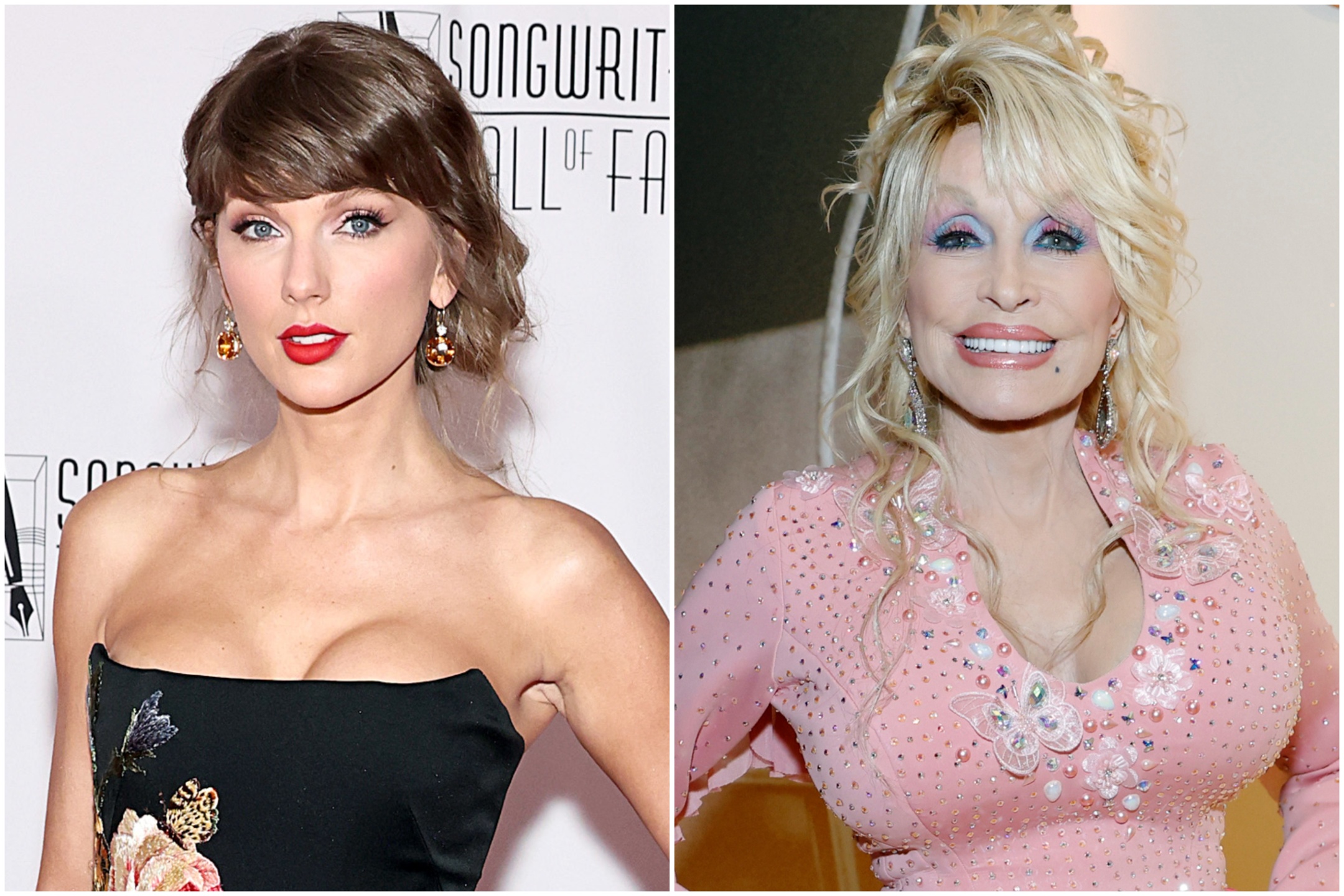
The bet went up at 14:07 UTC on 29 June 2026, when prediction-market odds shifted sharply on a single, pre-registered question: will Taylor Swift and Travis Kelce marry this week? Less than four hours later, at 17:50 UTC, Reuters ran a hedged-but-confident wire item describing the couple as "America's royal couple" and reporting that a wedding may come as soon as this week. Two unrelated sources, one quantitative and one editorial, pointing the same direction. That is as close to a coordinated tell as the attention economy produces in 2026 — and it tells you almost nothing about the bride and groom, and a great deal about us.
The Swift-Kelce story is no longer a celebrity romance. It is the largest recurring live-audience event the Western media apparatus still knows how to manufacture, and the most efficient one it has. Weddings, in the era of platform-scale distribution, are not private ceremonies with public after-glows; they are multi-day, sponsor-friendly, AI-templated content engines. The couple in question are talented and rich in their own right. The interesting question is what the press, the platforms, the prediction markets, and the brands do with them — and why they all keep doing it.
The framing is already rigged
Watch the coverage cycle and the problem appears inside the first twelve hours. The wire copy — Reuters at 17:50 UTC on 29 June is the cleanest example — reaches for regal vocabulary: America's royal couple, the people want a fairytale. That is the setup. Once that frame is accepted, every downstream story has to fit inside it, and the couple becomes a kind of constitutional question rather than two people making a personal decision.
The frame flatters the audience and flatters the industry that sells it. It positions fans as a citizenry with standing to receive communion; it positions outlets as heralds of the realm; it positions sponsors as the guilds underwriting the spectacle. A small vocabulary choice — royal — does an enormous amount of work. It is also, structurally, an evasion. A royal wedding is not a story about two people's choices; it is a story about the choreography of power. The instant the framing goes royal, agency leaves the couple and lands on the broadcast.
The prediction market is the tell
Prediction markets deserve more credit and more suspicion than they usually get. Polymarket's morning update — 14:07 UTC, 29 June — moved on the Swift-Kelce question before the legacy wires had committed to language. That is the inversion the platforms have produced: the speculative infrastructure now leads, and the editorial infrastructure follows. A market price is a price. A wire item is a characterisation. The market says the wedding is likely; the wire says the wedding is a fairytale. One is a probability, the other is a script.
The risk is not that the prediction market is wrong. The risk is that, in 2026, the prediction market's price becomes the editorial brief. Reporters read the implied odds, decide the event is going to happen, and write the story as if it has already happened in spirit. The vocabulary shifts from may to widely expected to the question is no longer whether. None of those moves require new evidence. They only require that the herd has agreed.
What the coverage routinely misses
Three things get edited out of the royal-wedding frame.
First, the couple's actual autonomy. Swift and Kelce are not passive symbols. They are sophisticated operators with legal teams, brand counsel and platforms of their own. Treating them as a coronation erases the work they do to choreograph the event, and erases the leverage they retain to walk it back.
Second, the asymmetry of access. Not every relationship gets the same wire copy. Not every couple gets a Polymarket question. The selection of which romances become "royal" is itself a market decision, made by editors and algorithms that reward pre-existing scale. Swift's economic footprint predates Kelce by a decade. The frame credits him with converting her into a couple; in fact, the frame was already half-built around her and he walked into it.
Third, the global audience that doesn't care, and what its absence means. Outside the Anglosphere, the Swift-Kelce story registers as a regional media event — a US cultural export with limited travel. The royal framing only holds if you assume a universal Anglophone readership. That assumption is itself a 2010s artefact.
The stakes are downstream
The cost of the royal framing is not a ruined news cycle. It is a slow drift in what counts as a story. When a celebrity wedding commands more column-inches than a regional war, a central-bank decision, or a contested election, the public learns, gradually, what the press believes it can pay attention to. The press does not invent the audience for Swift and Kelce; it discovers and reinforces it, every cycle, until the discovery looks like fact.
There is also a quieter cost. The same platforms that run the prediction market on a celebrity wedding also run prediction markets on elections, on wars, on currency moves. The attention capital trained on Swift-Kelce this week is attention capital that has been trained elsewhere in the past, and will be trained elsewhere again. The romantic spectacle is the practice run.
What remains genuinely uncertain
The sources disagree less than the framings suggest. The Polymarket read at 14:07 UTC and the Reuters characterisation at 17:50 UTC on 29 June 2026 are pointing in the same direction; neither confirms the event, neither names the venue, neither specifies the date. The wire copy uses may; the prediction market uses implied odds. A serious reader should hold both as evidence of high probability rather than as fact. The rest — the dress, the guest list, the vows, the broadcast rights, the brand integrations — is industrial decoration, and should be read as such.
The only thing worth treating with reverence here is the choice itself, when it is finally confirmed. Everything else is the machine.
— Monexus framed this story as an attention-economy case study first, and as celebrity news second. The wire led with romance; we led with the infrastructure.
Wire provenance
This editorial synthesis draws on the following public wire/social posts:
- http://reut.rs/4whdmdR