Wimbledon 2026 opens with a familiar question: how much chaos, and who pays for the ticket home
Pre-tournament tipping is alive and well, but the more telling story is the gap between the sport's broadcast value and what it costs a beginner to pick up a racket.
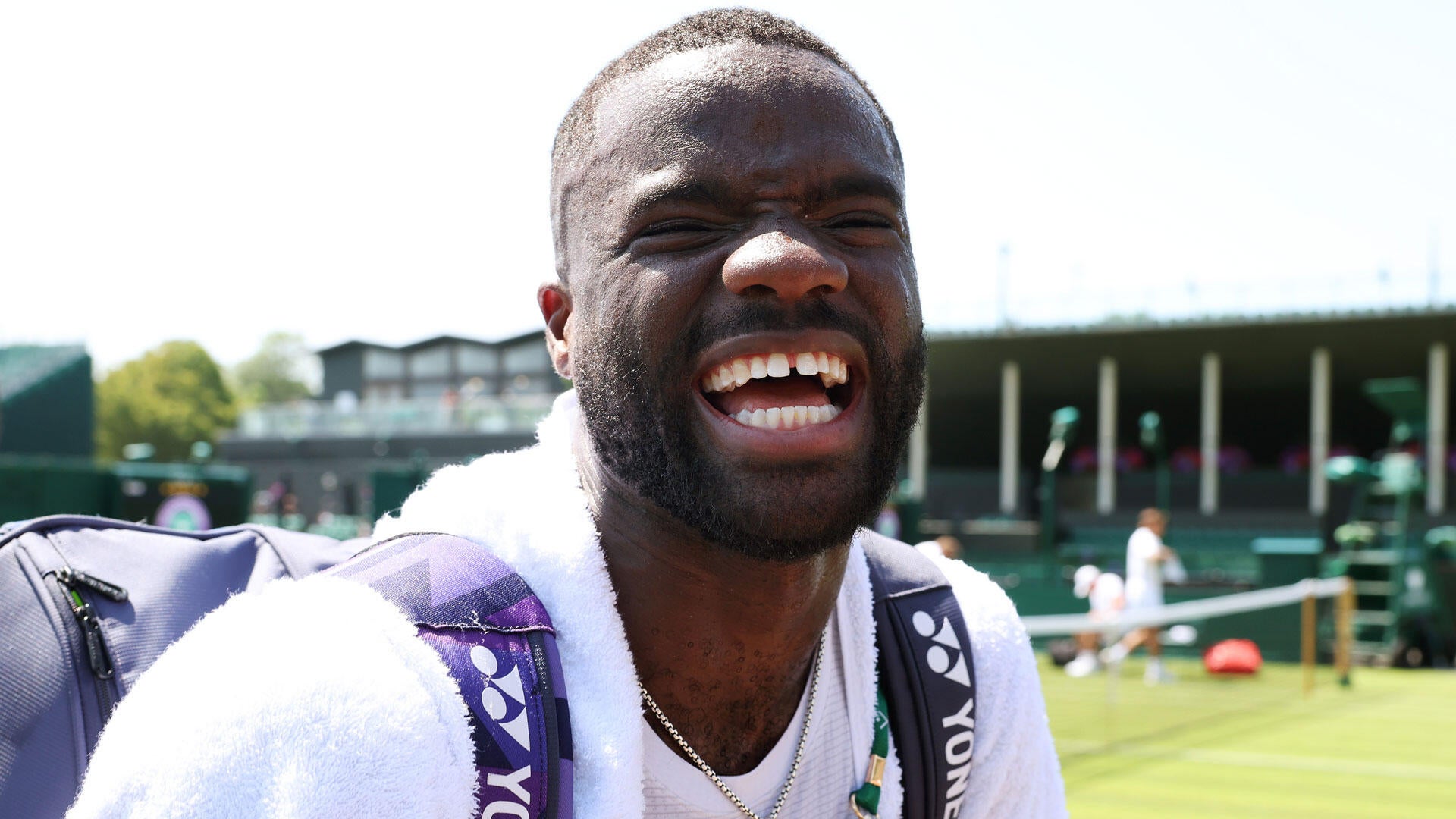
Wimbledon begins on Monday 29 June 2026, and the warm-up chatter has the texture of a sport that knows its script — just not its ending. A CBS Sports predictions piece published on 29 June 2026 framed the men's draw as wide open after a turbulent French Open, with the bracket suggesting more early-round casualties for the seeded elite. Tipping markets are treating the All England Club lawns as a venue where ranking points meet roulette.
Tipping the draw
The CBS analysis stops short of picking a winner — a tell in itself, given how routinely pre-tournament columns name a favourite. Instead it walks through the men's side by quadrant, identifying seeded players whose early-round form or recent injuries make them vulnerable, and naming first-week opponents capable of springing upsets. The piece lands on a thesis that is now conventional in grand-slam previewing: the depth of the men's game has flattened, the grass season is short, and the surface rewards servers and returners who can cope with low, skidding bounce — a profile several unseeded players carry.
The framing matters because it shifts the burden of proof. When the favourite is the favourite, the column is judged by whether the favourite won. When the column argues chaos is likely, it has to deliver specific names — and stand behind them when half of them lose in round one to players no one saw coming.
The cost of catching the bug
A BBC News feature published on 28 June 2026 caught a different current running alongside the broadcast spectacle. The piece, headlined around getting into sport on a budget, points out that the gap between watching elite tennis and playing it has widened — not closed — over the past decade. Court hire in British public parks, where the surfaces exist at all, runs from modest to genuinely prohibitive during peak hours. Rackets are cheaper than they were a decade ago at the entry tier, but stringing, shoes and balls add up, and informal club membership often requires equipment of a standard a beginner does not yet own.
The structural frame is plain: tennis monetises its broadcast product ruthlessly, then declines to fund the feeder system that produces the next generation of broadcastable talent. The Lawn Tennis Association in Britain runs school outreach programmes and has invested in public-court refurbishment, but the BBC's reporting makes clear that for most adults who decide, after two weeks of Wimbledon, that they would like to learn the sport, the on-ramp remains harder to find than the highlight reel.
What the sources disagree about
The two pieces do not contradict each other so much as speak past one another. CBS treats the tournament as a market of probabilities and narratives — a question of who beats whom and why. BBC treats Wimbledon as the trigger for a much larger question about sport participation in the United Kingdom at a moment of squeezed household budgets. Neither source offers a number for participation growth or decline that can be cross-checked here; the BBC feature references the existence of free or low-cost sessions in certain boroughs and the role of volunteer coaches, but does not aggregate a national figure. The Monexus framing: the two stories are connected by a single tension that neither column resolves — elite tennis has rarely been more visible, and grassroots tennis has rarely been harder to enter.
Stakes for the season
A run of upsets at Wimbledon does not just reshuffle the ATP rankings. It reroutes the tour calendar — the grass hardens, the indoor swing approaches, and the form curve that was supposed to peak at the All England Club flattens out. For seeded players the cost is prize money forgone and ranking points dropped; for unseeded players it is the rarer currency of belief, the residue that carries them through a season of small venues and quiet draws. The wider stake — the one the BBC piece gestures at — is whether the spectacle of Wimbledon converts, at the end of two weeks, into even a few thousand new people stepping onto a court somewhere. On the available evidence, that conversion rate is the figure the sport's administrators should be most worried about.
Desk note: Monexus read this story as the collision of two wires — a CBS tipping column and a BBC access feature — and framed the bridge between them as the article's spine, rather than running either piece as a straight preview.