The quiz industrial complex: how BBC Sport turned World Cup group-stage arithmetic into a content engine
Three quiz drops in twenty-four hours from the BBC Sport desk — tennis, World Cup and a group-stage numbers test — point to a deeper question about what sports media is now for.
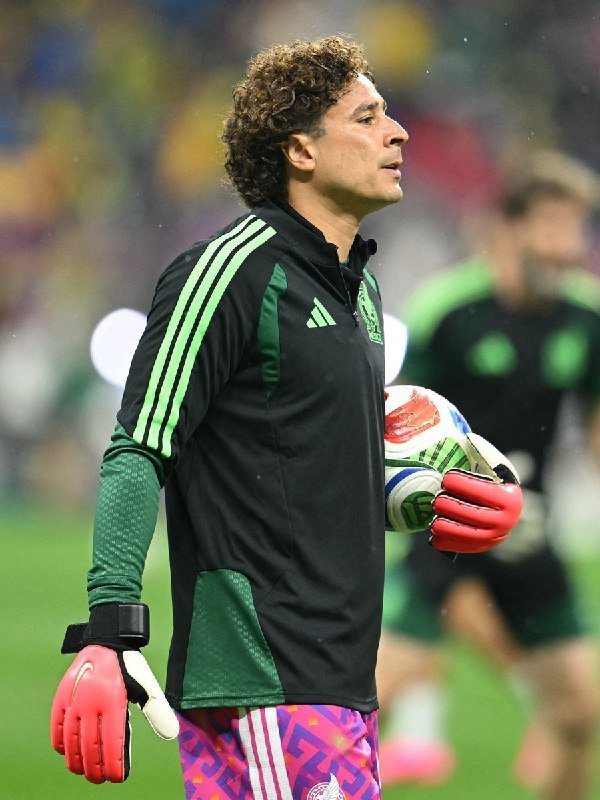
At 06:11 UTC on 30 June 2026, BBC Sport published a daily "Who am I?" tennis player puzzle — the latest in a format the outlet has run for years. Twenty-three minutes earlier, at 05:48 UTC, it had dropped the football equivalent: "Who am I? Guess World Cup star No 23." Twenty hours before that, at 10:38 UTC on 29 June, the desk published a group-stage numbers quiz asking readers how well they knew "the biggest ever group stage at a World Cup."
Three quiz drops inside a single news cycle, all from the same desk, all on the same page architecture — and all of them monetised through the same engagement loop. The pattern is small, but the question it surfaces is not: what is a public-service sports desk actually selling when it sells a quiz?
The rhythm is the product
BBC Sport's quiz cadence has become metronomic. The "Who am I?" player-guessing format — a single image, a binary yes/no response engine, a countdown on guess count — now appears at least daily across tennis and football verticals, with the World Cup and Wimbledon windows compressing the cadence further. The 30 June 2026 tennis drop followed the football one by minutes, not hours. The group-stage numbers quiz, published the previous morning, packaged the first round of the tournament into arithmetic challenges: scorelines, goal tallies, attendance, the metadata of sport rather than the sport itself.
The economics are straightforward. Quizzes carry low production cost, high return-visit frequency, and clean data on completion and dropoff — exactly the signals an algorithmic distribution system rewards. The BBC's commercial arm sells against that attention the same way any other publisher would; the difference is that the public-service remit theoretically holds the floor on what gets made. Whether it still does is the operative question.
The counter-read: this is what a free sports desk looks like in 2026
The charitable framing is that BBC Sport is meeting audiences where they now live. Mobile-first formats, low-friction interaction, shareable outcome cards — these are the basic affordances of contemporary sports consumption. Younger readers, in particular, came to sport via TikTok clips and Instagram trivia long before they came to a 90-minute highlights package; the quiz format is, on this reading, a public-service translation of the same impulse. Without it, the desk simply loses the next generation to vertical-video competitors with no newsroom attached.
There is also a genuine editorial layer in the numbers quiz. The group-stage format the BBC references as "the biggest ever" is a structural fact about the 2026 tournament — expanded from 32 to 48 teams, more matches, more groups, more statistical surface area. A quiz built on that expansion is, in a thin sense, an explainer.
What the format quietly displaces
The harder case is the opportunity cost. Each quiz slot is a slot not given to a long-form World Cup feature, a tactical analysis, an interview with a player whose tournament ended two days ago, or a dispatch from a host city. The BBC's sports journalism operation is, by global standards, still extraordinarily well-resourced — but the editorial gravity has visibly shifted toward formats that complete in under ninety seconds and reward return visits rather than deep reads. The 30 June 2026 cluster, taken together, is a snapshot of that gravity: three quizzes, no written analysis piece on the same desk's homepage that morning.
This is not an argument against quizzes. It is an argument for noticing what surrounds them. When a publicly funded newsroom normalises a content cadence borrowed from the platform economy, the choice is rarely advertised as one — it shows up as routine.
What to watch
The next test is Wimbledon, which begins within days of the World Cup group stage closing. BBC Sport will, in all likelihood, run simultaneous "Who am I?" tennis and football drops through the overlap, then turn the dial further when the knockout rounds begin. If quiz output continues to scale while written dispatch from the host cities does not, the pattern will have become a posture. If written dispatch rebounds in the second half of the tournament, the quiz cadence will look like what it currently is — a complementary format, not a substitute.
The sources do not specify quiz traffic figures, completion rates, or revenue attribution. What they do show, on a single day, is a desk that has built a content engine around the act of guessing. The rest is a question of what the audience is being asked to guess at, and what is being guessed away from.
Desk note: Monexus treats BBC Sport's quiz cadence as a media-economics story rather than a sports story. The wire covers the tournament; the desk covers the desk.