Tehran's Two-Track Play: Frozen Money and Southern Leverage
Iran's foreign ministry is signalling movement on the release of its frozen assets while pairing that offer with explicit warnings about southern Lebanon and the terms of any US deal.
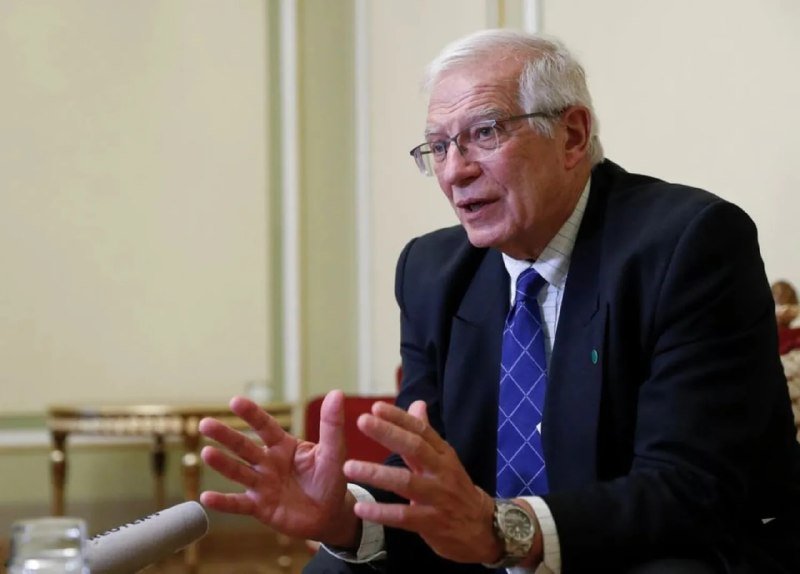
At a Foreign Ministry press conference in Tehran on 30 June 2026, spokesperson Esmaeil Baqaei set out two simultaneous tracks: progress, of a sort, on releasing Iranian funds held abroad, and an explicit warning that any American move against southern Lebanon would breach the memorandum of understanding now anchoring the working relationship between Washington and Tehran. The combination is deliberate. Money talks, but so does geography. Baqaei used the same podium to deliver both messages within minutes of each other, signalling that the file is being run as a single negotiation rather than two.
The framing matters because it tells outside observers what Tehran believes it owns in this round of bargaining — liquidity held in escrow-friendly jurisdictions, and a Lebanese theatre whose quiet calibration has become one of the most sensitive items on the regional docket.
Frozen assets: the carrot
Baqaei told reporters that negotiations on releasing Iran's frozen assets are "progressing favorably" and that a meeting with Qatari counterparts is scheduled for the following day, according to Tasnim's English wire. The reference to Doha is significant. Qatar has acted as the primary channel and intermediary venue for the working-level discussions between Tehran and Washington since the loose coordination arrangement began producing tangible movement earlier in the year. Doha's role is structural, not ceremonial — it provides a venue in which Gulf banking rules and US Treasury scrutiny can both be made to feel comfortable — and Baqaei's invocation of a Qatari meeting is intended to keep that channel warm and visible.
The dollar sums were not disclosed by Baqaei in the briefing as Tasnim reported it, and this publication's reading of the available material is that the Iranian public is being prepared for incremental releases rather than a single breakthrough. That is consistent with how frozen-asset arrangements of this kind tend to work: staged tranches tied to verifiable Iranian behaviour on a separate file. Tehran's incentive to keep the optics positive is therefore high, since each successful tranche builds momentum for the next.
Southern Lebanon: the stick
The same briefing carried the harder edge. Baqaei warned that "American attacks on the south of the country will be a violation of the first paragraph of the memorandum of understanding," and added, "We will not leave any action unanswered," per Tasnim's English wire. The phrase "south of the country," in the Iranian foreign-policy lexicon, refers to southern Lebanon — the territory along the Litani border where Hezbollah operates with Iranian matériel, training and political cover. The first paragraph of the memorandum, as it has been described in regional reporting, deals with non-escalation along that frontier and the broader coastal corridor.
Baqaei paired that warning with a parallel intervention on Hezbollah's disarmament, reportedly framed as a US demand: Iran does not accept that disarming Hezbollah is a precondition, Tasnim reported, and is instead telling Washington to "stick to its commitments regarding Lebanon." The structure of the message — that Tehran reserves the right to retaliate for southern strikes while refusing to deliver a Lebanese concession — is a way of pricing Hezbollah's continued armed posture into the cost of any future escalation.
A two-track negotiation
The pattern is not novel but it is being executed with unusual openness. Tehran wants the frozen funds released, and it knows that Qatar and Oman are the cleanest paths to that end. It also knows that its leverage in the Lebanese file is one of the few items it can move without triggering a kinetic response, because the cost of any Hezbollah-aligned provocation is now amortised across the wider understanding with Washington. Baqaei's briefing is, in effect, a price list: money in, Lebanese calm out.
Western negotiators tend to read these briefings as posturing. The more accurate read is that they are a real-time calibration exercise — the Iranian side testing, in public, how far it can stretch the rules of the arrangement without breaking it. The test is being run from the podium rather than the field, which is itself a sign that both sides currently prefer theatre to combat.
What remains uncertain
The Iranian public reporting does not specify the dollar value of the tranche under discussion, the timetable for release, or the specific Qatari venue and delegation. Tasnim did not report a White House or State Department response to the morning briefing. What can be said with confidence is that Doha is hosting a meeting in the next 24 hours and that Tehran has chosen, in a single press appearance, to couple the carrot with the stick. Whether that combination produces a release or a rebuke is the question the rest of the week will answer.
Desk note: this publication leads with the Iranian foreign ministry's own framing of the negotiation, sourced through state-affiliated Tasnim, while flagging that the counter-position from Washington and the Gulf intermediaries is not in today's thread material. Readers should expect those voices in follow-up reporting.
Wire provenance
This editorial synthesis draws on the following public wire/social posts:
- https://t.me/tasnimnews_en/
- https://t.me/tasnimnews_en/
- https://t.me/tasnimnews_en/
- https://t.me/JahanTasnim/