The GLP-1 Shortage Is No Accident — It Is a Distribution Choice
A Kenyan weight-loss underground has grown up around a drug meant for lupus and severe asthma. The story is less about vanity than about who gets the molecule.
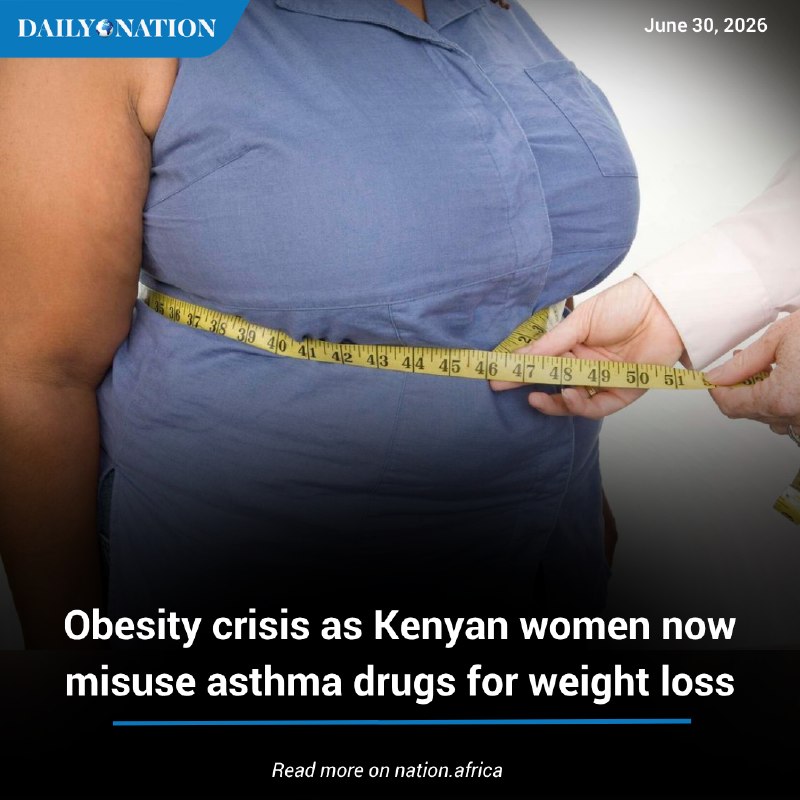
In Nairobi this June, a drug meant to quiet the immune systems of patients with lupus, severe asthma, cancer and inflammatory bowel disease is being traded on informal networks for a purpose its manufacturers never tested, priced for weight loss. The Daily Nation reported on 30 June 2026 that Kenyan women are sourcing the molecule through social-media resellers, buying what is sold as a prescription-only injectable for cosmetic ends. The underground has not appeared because Kenyan regulators failed. It has appeared because the formal distribution system was never built to serve the women who now want the drug — only the patients it was licensed for.
That distinction matters. A drug scarcity is easy to moralise about, and the moralising has already begun: TikTok-era vanity, imported Western body ideals, a pharmacology frontier pushed by telehealth into thin people who should eat less. Each of those stories contains a grain of truth. None of them is the whole story. The whole story is about who a molecule is "for," and who decides.
The licensing tells you the answer
The headline framing — desperate women chasing a thinness drug — is what the molecule's licensed indications invite. The drug's registered uses are narrow and serious. Once a regulator writes a label that treats a condition as cosmetic, the supply chain reorganises around the exclusion of everyone who wants the drug and is not the labelled patient. Kenyan women, who are very rarely the subjects of the clinical trials that produced the evidence base, are also very rarely its intended beneficiaries under the formal pricing structure. The result is a parallel market — and a parallel market always charges more, sells less transparently, and routes around the regulator's information regime.
This is not unique to Kenya. Across the African continent, the same pattern repeats for biologics, oncology drugs and the new wave of obesity therapies: the molecule reaches the continent through the same handful of importers, at the same end-of-cycle margins the global brands accept when supply is tight at home. When formal channels cannot clear demand at any price a household can absorb, the price migrates upward and the channel migrates underground.
The product is the same. The market is not
The standard objection — that off-label cosmetic use is a misuse of a scarce clinical resource — is correct on the resource and incoherent on the politics. The scarcity is upstream. A molecule that retails for a few hundred dollars a month in Western pharmacies and is being resold in Nairobi at multiples of that is scarce because the manufacturer optimised the supply chain for the buyers it cared about, not because Kenyan demand is a marginal perturbation. If the supply existed, the moral panic would shrink, not the demand. Telling Kenyan women they are misusing a scarce resource without also saying who was given the right to declare it scarce in the first place is a strange complaint.
There is also a more uncomfortable second objection, which is that some fraction of the women buying the drug for weight loss have a clinical obesity diagnosis and would have been eligible for a prescription under any serious reading of the indication. In countries with functioning primary care and price-controlled dispensing, those women get the drug on the public formulary. In Kenya, the same woman becomes a black-market consumer because the formal pathway was never widened to include her.
The body politics are downstream of the supply chain
The Daily Nation's framing centred the conversations on social media — a discursive artefact, naturally, because that is where informal trade recruits buyers. But the body politics that fill those threads are not the origin of the shortage. They are its consequence. A drug becomes a TikTok object because the regulated channel refused to be a public channel. The deeper structural fact is that Kenya's pharmaceutical retail system is built to serve episodic acute illness, with a thin layer of chronic-disease access attached to a few teaching hospitals and insurance schemes. A chronic, lifestyle-adjacent condition treated by a weekly injectable has no natural home in that architecture, even when the architecture is functioning as designed.
Which is why framing the question as "vanity" is convenient. It shifts the burden of justification onto the buyer and away from the system that refused to register her as a patient.
The serious question is pricing and indication
Three things change if the conversation takes the supply chain seriously rather than the buyer.
First, indication expansion. A regulator that recognised obesity as a chronic disease — not a vanity, not a lifestyle deficit — and priced the drug inside that recognition would convert a black market into a normal pharmacy line item. The legal exposure to the pharmacist collapses, the dosage counselling becomes real, and the parallel market loses its price margin, which is its only real product.
Second, tiered pricing. The same molecule is sold at materially different prices across continents because that is how the licensor extracts rents from markets it does not invest in. A government willing to invoke compulsory licensing, or to procure jointly with neighbours, can rewrite that arithmetic.
Third, local manufacturing. Several African producers have begun building fill-finish capacity for biologics. The licensing regime determines whether they will ever touch this molecule.
None of these moves is exotic. All of them are available to a Kenyan ministry that wanted to deploy them. The reason they are not being deployed is not regulatory capacity. It is the politics of who a drug is for.
Stakes
If the underground remains the supply, the harms arrive on schedule: adulterated vials, missed doses, unmonitored interactions, and a regulator that loses sight of patient outcomes. If the formal channel expands, the women currently classified as vanity buyers become patients with counselling, follow-up, and a price they can plan around. The same women, the same molecule, a different relationship to the state.
The Daily Nation story is, on its face, about a drug being misused. Read deeper, it is about a system that decided, through a series of legacy choices about who counts as a patient, that some consumers do not deserve the regulated version of the thing they are willing to pay for. That is a policy failure, not a moral one. It is also a failure the Kenyan state can fix, if it chooses to.
Monexus framed this piece around the supply chain and the licensed indication, rather than around the consumer behaviour the wire story foregrounded. Both frames are present; the editorial judgment is that the framing which assigns the responsibility to the system will travel further than the one that assigns it to the buyer.
Wire provenance
This editorial synthesis draws on the following public wire/social posts:
- https://t.me/s/DailyNation