Lakers pivot to centre hunt as LeBron era ends in Los Angeles
LeBron James will not return to the Lakers for a record-extending 24th season, leaving Los Angeles with roughly $52 million in cap space and a clear mandate to find a centre to pair with Luka Dončić.
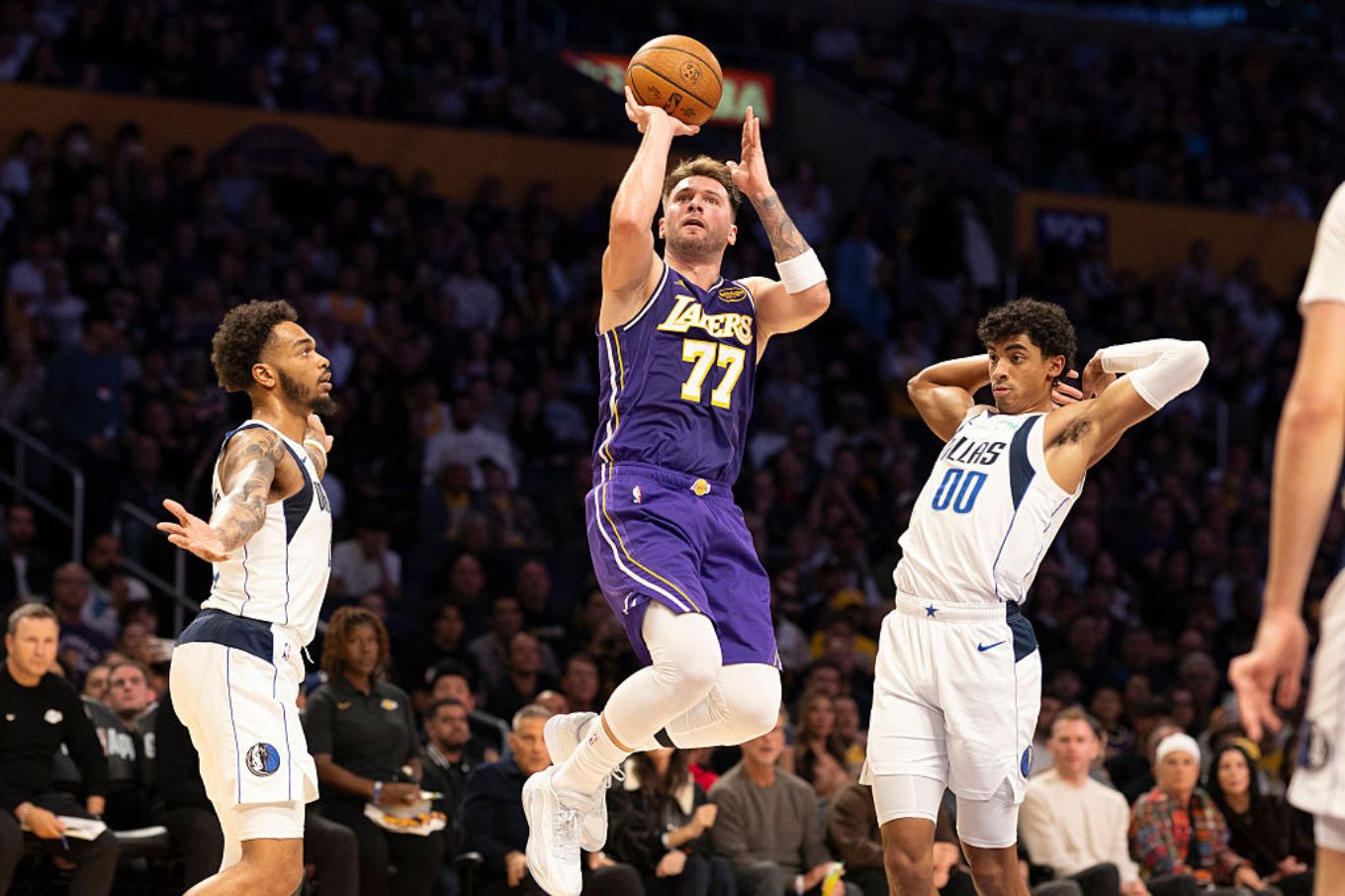
The Los Angeles Lakers face the most consequential summer of the post-Kobe era. On 30 June 2026, multiple outlets confirmed that LeBron James, the NBA's all-time leading scorer, will not return to the franchise for a 24th professional season, opening a free-agency window that will reshape one of the league's most-watched rosters.
What remains is the more interesting question. Los Angeles enters July with approximately $52 million in cap space and a single, unambiguous priority: find an A-list centre to flank Luka Dončić. The reconstruction has begun, but the constraints are real and the calendar will not wait.
What changed on 30 June
The departure is now confirmed rather than speculated. Reporting on 30 June 2026 put the Lakers in a position they have not occupied since 2018: planning a season without LeBron. The franchise has roughly $52 million to spend, a figure that includes room exceptions and assumes Dončić's max extension sits on the books. Austin Reaves remains the secondary creator and the most plausible third star on a Dončić-led roster; the rest of the rotation, including the frontcourt, is open territory.
The framing from both major outlets converged on the same point. Los Angeles is not rebuilding from scratch. It is retooling around a 26-year-old playmaker who has just posted one of the highest-usage seasons of his career. The cap space is the instrument; the centre is the target.
The A-list centre problem
"A-list centre" is a short list and a long conversation. The market is thin at the top, and the teams holding the players on that list have leverage. Asking prices for the league's premier big men — those capable of anchoring a defence, commanding a double-team in the post and stretching the floor enough to coexist with Dončić's pick-and-roll reads — routinely start at the full max. Even with $52 million to work with, the Lakers cannot write a single cheque large enough to sign one outright; they would need either a sign-and-trade arrangement or a willingness from the player to take slightly below maximum value to keep the roster intact.
There is a counter-read worth taking seriously. Some front-office voices, quoted in the same reporting cycle, argue that the premium on a single dominant centre is overstated. The modern NBA has shifted back toward positionless lineups, switchable defenders and five-out offences where a "centre" is more an archetype than a roster slot. Under that view, Los Angeles might be better served splitting that $52 million across a defensive big, a stretch four and a veteran wing — three useful players rather than one明星.
The reporting does not let that case rest unchallenged. Dončić's game has always tilted toward a rim-running lob threat and a roller who can finish through contact. The Doncic-era Mavericks reached the Finals with that profile. Without one, the half-court offence flattens.
What $52 million actually buys
The cap math is unforgiving. A max contract for a player with seven to nine years of service starts north of $50 million in the first year. The mid-level exception for non-taxpayer teams sits lower. The Lakers' $52 million is therefore best understood as a starting bid rather than a ceiling; combinations are possible, but every multi-year deal compresses the room available elsewhere.
Two paths present themselves. The first is the sign-and-trade, in which Los Angeles sends out contracts to a team holding a star centre and receives the player in return, with both sides using the $52 million as ballast rather than cash. The mechanics are complicated and require a willing partner. The second is the straightforward free-agent signing, which works only if the player himself takes less than maximum value or if the Lakers stretch existing money to open further room.
A third possibility sits in the background: the trade market, in which a centre on an existing deal becomes available because his current team pivots. Los Angeles has young assets and draft capital to put on the table. The reporting on 30 June names the priority but not the player; that is the question July will answer.
Stakes and what to watch
The structural read is straightforward. The Lakers are a brand built on明星 power, and they have just lost the biggest明星 of the post-Jordan era. Dončić is the hand the franchise has chosen to play; the centre question is whether the supporting cast can be assembled quickly enough to compete in a Western Conference that has itself been reshaped by the previous off-season's trades.
The honest uncertainty sits at the level of personnel. The reporting does not identify a specific target. It does not confirm whether the Lakers' preference is a true five or a stretch big. It does not address whether Rob Pelinka and the front office view Reaves as the second star or as a high-end third option. These are the questions the next two weeks will resolve, and they will determine whether the 2026-27 Lakers are a contender or a work in progress.
For a fan base accustomed to championships measured in decades rather than seasons, the patience required is not new. What is new is the architecture: a Slovenian playmaker, roughly $52 million, and a single, specific hole at the five.
— Monexus framed this around roster construction and cap math, where the wire reporting centred on明星 power and legacy. The structural question — what kind of centre, and at what cost — is where the next two weeks will actually be decided.