Netanyahu's Third-Strike Warning and the Vance Channel: Reading the Iran File on 30 June 2026
On 30 June 2026, the Iran file is being read on three screens at once: an Israeli prime minister threatening a third strike, an American vice president running a back-channel, and Iranian state media eulogising a supreme leader whose death is, for now, a single-source claim.
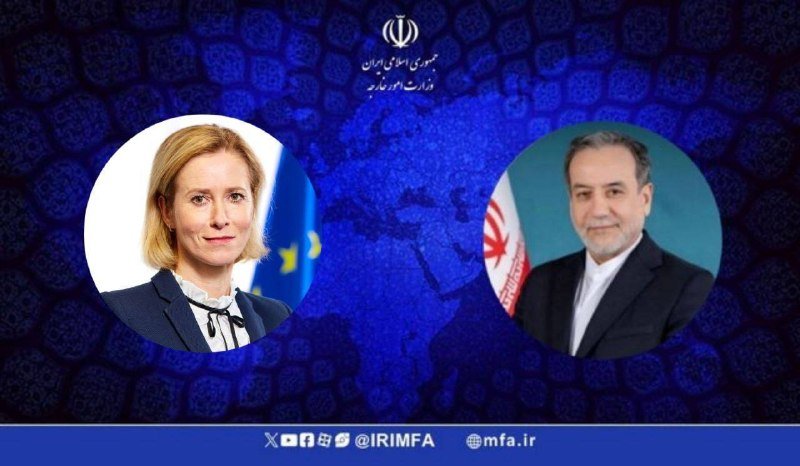
At 21:55 UTC on 2 July 2026, the Telegram channel BellumActaNews published video it described as the arrival of Ali Khamenei's body at the Khomeini Hussainiyah mourning hall in Tehran, the Supreme Leader killed, the channel said, in the opening strikes of operations Israel had named Roaring Lion and Epic Fury. The footage, attributed by the channel to the funeral procession for the man it called "the former Rahbar," landed inside a single, dense news cycle: a New York Times report that US officials had suspected Israel of plotting to assassinate Iranian negotiators during April talks, a separate claim circulating via Iranian outlets attributed to a parliamentary committee led by Mohammad Bagher Ghalibaf, and Israeli Prime Minister Benjamin Netanyahu's televised warning that a third strike could follow if the Islamic Republic's leadership attempted to reconstitute the capabilities destroyed in the first two. The parallel messaging, Israeli threats on one screen, American diplomatic back-channeling on another, Iranian state media eulogising a dead supreme leader on a third, is the story. Reading the Iran file on 30 June 2026, before the bombardment the sources above describe, meant reading a confrontation whose next chapter was being scripted in real time by three capitals and at least two messaging apps.
Netanyahu's framing, delivered in a primetime address carried by Israeli networks, treated the strikes as a deliberate sequence with a logical endpoint. The first blow, he said, had collapsed the external ring of the Iranian nuclear and missile programme. The second had decapitated the command structure that gave it political cover. A third, he warned, would follow "if the remnants of the regime attempt to rebuild what we have destroyed." The language was calibrated for a domestic audience that polls consistently show favours degrading Iranian capabilities, and for a Washington audience that has spent two decades oscillating between engagement and containment. It also, critically, presumed that the regime in Tehran would still exist in a form recognisable from the podium where the speech was delivered.
That presumption is where the Vance channel becomes relevant. According to a report summarised on Telegram by DDGeopolitics citing the New York Times, US officials came to suspect during April negotiations that Israel was positioning assets to kill Iranian negotiators mid-talks. Vice President JD Vance, the account runs, was deputised into a side-channel intended to reassure Tehran that the negotiations were not a targeting solution, while preserving Israel's freedom of action should diplomacy collapse. Whether the channel succeeded, or merely postponed, is the open question. The same logic that makes a back-channel useful, plausible deniability for both sides, makes it impossible to verify in real time. Iranian state media, which has every institutional incentive to perform outrage, has not publicly confirmed the channel's existence. American officials quoted in the NYT report speak anonymously. What can be said is that the diplomatic architecture described is consistent with a White House trying to hold two incompatible lines at once: an Israeli campaign of sequenced escalation, and an American negotiating posture that requires a counterpart across the table.
The single-source claim that warrants a flag is the assertion, surfacing through Iranian outlets and attributed to a parliamentary committee under Ghalibaf, that Khamenei was killed in the opening strikes. No Lebanese, American, or independent Israeli source in the public record corroborates the killing of the Supreme Leader as of the material available on 2 July 2026. BellumActaNews's footage, Tasnim's coverage of a mourning ceremony, and the Palestine Chronicle's parallel reporting on an Iranian lawsuit against FIFA all sit inside an information environment in which Iranian state media is both a primary source and a strategic actor. Treat the claim as reported, not as confirmed. The structural point survives either way: even the rumour of a decapitation strike reshapes the bargaining range of every other actor in the file.
Read together, the Israeli and American statements do not contradict each other so much as describe different layers of the same operation. Netanyahu's threat ladder addresses the military question: what happens if Iran tries to rebuild. The Vance channel addresses the political question: what happens if Iran tries to negotiate. The Iranian state's response, oscillating between ritual mourning footage and threats of legal action in international fora, addresses neither, because the regime's bureaucratic survival apparatus is optimised for neither. The next 72 hours will show whether a third Israeli strike is ordered, whether Ghalibaf's committee's claim is corroborated by anyone outside Tehran, and whether the Vance channel produces anything more durable than a series of messages that satisfied no one.
Sources
- https://t.me/osintlive (OSINTdefender summary citing 927-page Trump financial disclosure, 2 July 2026, 21:28 UTC)
- https://t.me/osintlive (BellumActaNews footage summary, 2 July 2026, 21:55 UTC)
- https://t.me/ClashReport (aggregated reporting on Israel-Iran operations)
- https://t.me/DDGeopolitics (NYT report summary on suspected Israeli assassination planning, 2 July 2026, 20:57 UTC)
- https://t.me/tasnimnews_en (mourning ceremony coverage, 2 July 2026, 21:22 and 21:40 UTC)
- https://www.palestinechronicle.com/iranian-scholar-takes-fifa-to-court-over-world-cup-doubl (Iranian lawsuit against FIFA, 2 July 2026, 20:59 UTC)
Desk note: Monexus has foregrounded the simultaneous, parallel nature of the Israeli and American statements rather than treating them as competing headlines. Where Iranian sources are cited (the Ghalibaf committee claim), the framing is flagged as a single-source assertion pending corroboration from Lebanese or American officials.