'I am from Bosnia, take me to America': how an inside joke became Bosnia's World Cup anthem
A drunken studio quip has travelled from Sarajevo to California, where Bosnia's national side face the United States on Tuesday and a band member explains how it captured a global fanbase.
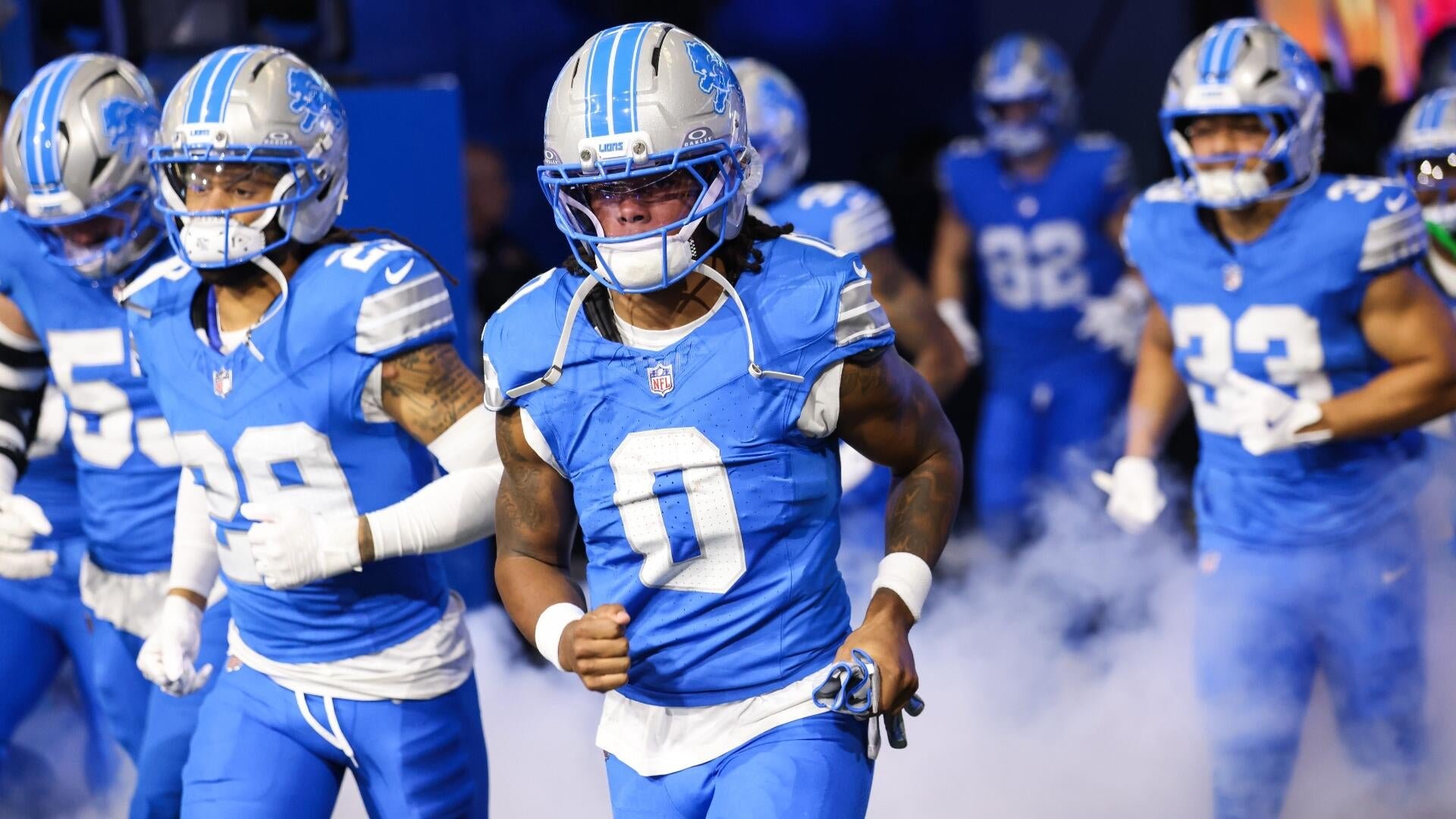
On Tuesday evening in Santa Clara, California, Bosnia and Herzegovina's national football team will walk out against the United States in a World Cup group-stage fixture. What greets them in the stands — and what has already greeted them on every stop of their North American tour — is a song that none of the squad, none of the supporters' clubs and none of the band's regular audience had on their bingo card six months ago.
The lyric is five words long. "I am from Bosnia, take me to America." It was ad-libbed, drunk, off-mic and almost certainly never meant to be heard twice. It has, instead, been heard tens of millions of times: stamped onto TikTok edits of dribbling compilations, repurposed by Bosnian diaspora communities in St Louis, Zürich and Malmö, and adopted, almost in spite of itself, as the unofficial soundtrack of the country's first men's World Cup appearance.
How a studio joke escaped the room
According to band member Vedran Mujagic, the line was thrown in during a late recording session as a placeholder for something better. The producer kept the take. The vocalist — Mujagic himself, by his own telling — had been writing in English for an international audience, and the line landed as a punchline about the band's own migration histories: three members in their late twenties with passports from three different countries.
What turned a throwaway into a phenomenon was the timing. Bosnia qualified for the World Cup proper in March; the song was uploaded to YouTube in late April as a side project; and by the time the squad flew to their pre-tournament camp in Los Angeles in mid-June, the lyric was already being sung back at the players at a friendly in Carson. Mujagic told CBS Sports that what began as a joke about emigration had become, through repetition, a kind of unofficial anthem for a team whose roster is itself an emigration story — most of the squad were born or raised in Germany, Switzerland, Austria and Turkey before declaring for the senior national side.
The diaspora read
The song's appeal cuts harder than novelty. Bosnia's post-1995 demographic profile is unusual in European football: the country's population fell from roughly 3.7 million at the turn of the century to an estimated 2.8 million today, with a diaspora estimated at more than two million, concentrated in the German-speaking lands and Scandinavia. For the children of that diaspora, the squad itself is recognisably theirs — players who grew up in Munich and Stuttgart with Bosnian surnames, who speak Bosnian with parents and German with everyone else.
That overlap is what gives the lyric its charge. "I am from Bosnia, take me to America" is, read literally, the plea of an asylum claimant. Read as the chorus of a pop song sung at a stadium in California by a third-generation diaspora in club scarves, it is closer to a tongue-in-cheek declaration of arrival. Mujagic has been careful not to over-explain it. In the CBS Sports interview he described the fan response as "something we never expected," and declined to ascribe a fixed political meaning, noting only that Bosnian communities across Europe had adopted the line as a self-identification.
What the wider tournament tells us
The Bosnian moment sits inside a larger pattern at this World Cup: smaller federation sides leaning on diaspora eligibility rules to field competitive squads, and finding their matchday identity in lyrics and chants that travel faster than the teams do. Several of the tournament's lower-ranked entrants have built followings around unofficial songs uploaded months before kickoff, a phenomenon enabled by TikTok's recommendation loop and the relatively low production cost of a hooky chorus. The Bosnian case is unusually pure — the song was not commissioned, the band is not affiliated with the football federation, and the lyric was never pitched as an anthem.
That organic quality has made it harder for the federation to instrumentalise, and easier for supporters to own. The Bosnian Football Federation has not adopted the song officially; no broadcast partner uses it as bumper music; the squad, by Mujagic's account, "have their own playlist." What the song has done, instead, is travel ahead of the team — to St Louis, where the largest Bosnian community in the United States is hosting watch parties; to Sydney and Melbourne, where Australian-Bosnians have been filming the choreography; to Vienna, where the fan club FK Velež Mostar adopted it within days of release.
Stakes, and what to watch on Tuesday
For the federation, the upside is uncontested visibility at the team's first men's World Cup. For the band, the question is whether a song written in jest can survive the moment without losing the licence of its own joke. Mujagic was blunt about the risk: "If we start taking ourselves seriously, the whole thing dies." On the pitch, the team faces a United States side that has home advantage, the deeper squad and a partisan crowd at Levi's Stadium — a stadium, not incidentally, whose naming rights sit a few miles from the headquarters of a company whose cloud and streaming infrastructure has hosted much of the song's viral spread.
The result of the match will move Bosnia's group-stage arithmetic but not, on its own, the place the lyric now occupies. What began as an inside joke between three musicians in a Sarajevo studio has hardened, in the months since qualification, into the most recognisable piece of Bosnian pop culture exported abroad this decade. The anthem is no one's property, which is precisely how its protagonists prefer it.
Desk note: CBS Sports framed the song as a personality-led piece on Mujagic. Monexus has read it instead as a small case study in how second-generation diaspora identity travels through global tournament football, with the line's double meaning — asylum plea, arrival declaration — left deliberately unresolved.