The British Museum, Palestine, and the Quiet Politics of What Gets Displayed
An investigation alleges the British Museum made false claims about removing Palestine-related displays. The row lands inside a wider argument about who decides what a national collection shows.
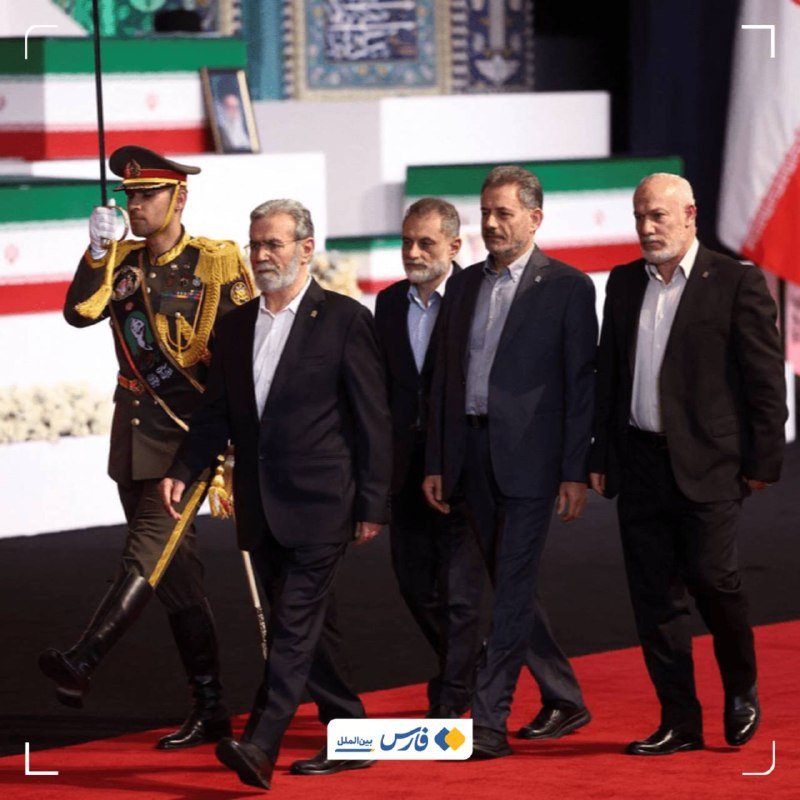
A public row over what is and is not on show at the British Museum has spilled out of Bloomsbury and into the international press. On 1 July 2026, Middle East Eye published an investigation alleging that the institution made false claims about its handling of Palestine-related displays — a charge that, if substantiated, lands on a museum already labouring under a long-running and uncomfortable question: whose history does a national collection choose to keep at the centre, and whose gets quietly moved to the edge?
The point of the investigation is not just one room or one exhibition. It is whether a flagship cultural institution can keep its public standing while, behind the scenes, narrowing the frame on a conflict that sits at the heart of contemporary international politics. A museum's silence is rarely neutral. Decisions about which displays travel, which panels get rewritten, and which donors are placated all amount to an editorial position — one that rarely shows up on a label.
What Middle East Eye is alleging
The investigation, flagged on 1 July 2026, claims the British Museum gave misleading explanations for the removal of Palestine-related displays, suggesting the reason given publicly does not match the documentary record. The report's framing is that the institution has been less than candid about the chain of decisions that took certain material off the gallery floor. Monexus has not independently verified the underlying documents, and the museum, at the time of writing, has not published a detailed point-by-point response. The allegation matters because the British Museum is not a private trust with a niche audience. It is a public-facing national institution, answerable in principle to Parliament, and the public version of its curatorial reasoning carries weight with visitors who have no other source for the institution's decisions.
Why this row is bigger than one display case
Curatorial choices inside the world's oldest encyclopaedic museum are read, often unfairly, as statements of state. The British Museum holds the contested Parthenon marbles, the Rosetta Stone, and a deep collection of Near Eastern material. Every reshuffle, every rehang, every panel revision is consumed through a geopolitical lens — by Greece, by Egypt, by Iran, by Indigenous Pacific communities, and now, evidently, by audiences watching how Palestine is represented in a public space. The institution's defenders will argue that museums are not foreign-policy actors and should not be drawn into battles they cannot win. That is the case for restraint. The counter-case is that silence in the face of a heavily mediatised conflict is itself a position, and pretending otherwise is the kind of institutional self-deception that erodes trust over years, not weeks.
The structural pattern: cultural institutions under donor and state pressure
The British Museum is not unique. Across Europe and North America, museums, orchestras, and universities have spent the last three years navigating the after-effects of the October 2023 attacks and the war in Gaza. Some have closed exhibitions; some have kept them open; some have faced donor pressure from one direction, staff pressure from another, and government quiet signals from a third. The pattern in most cases is identical: an institution claims the move is internal and curatorial, when in practice the room to manoeuvre is set by external pressure. Monexus finds that the most honest institutions name the pressure; the least honest attribute the outcome to administrative tidiness. Where the British Museum sits on that spectrum is now an open question — and the Middle East Eye investigation, if its documents hold up, suggests the institution may be closer to the second category than the first.
What the British Museum is for, in 2026
The honest debate to have is not whether a museum should take political positions. It is what a national encyclopaedic museum is for, in a country that no longer has a confident story about its imperial past. The current leadership has gestured towards a more outward-facing institution — lending deals, partnership exhibitions, a softer tone on restitution. That is the right instinct. But it is undermined when the same institution appears, on the evidence now in the public domain, to be less than straight about a specific curatorial decision touching a live conflict. Trust, in cultural institutions, is rebuilt in footnotes, not in press releases. The next move belongs to Bloomsbury.
Desk note: Monexus is treating this as an unverified allegation pending the museum's response. We have not independently obtained the documents cited in the Middle East Eye investigation. Where Western cultural institutions are accused of editorial choices on Palestine, this publication weighs the allegation against the institution's own public reasoning, and waits for the documentary exchange that follows.
Wire provenance
This editorial synthesis draws on the following public wire/social posts:
- https://x.com/middleeasteye/status/2072327713684418560