England's right-back shortage shapes a knockout test against a resurgent DR Congo
With Reece James and Jarell Quansah absent from training, England's right-back depth is suddenly the story of their last-32 tie against a DR Congo side that has already announced itself at this tournament.
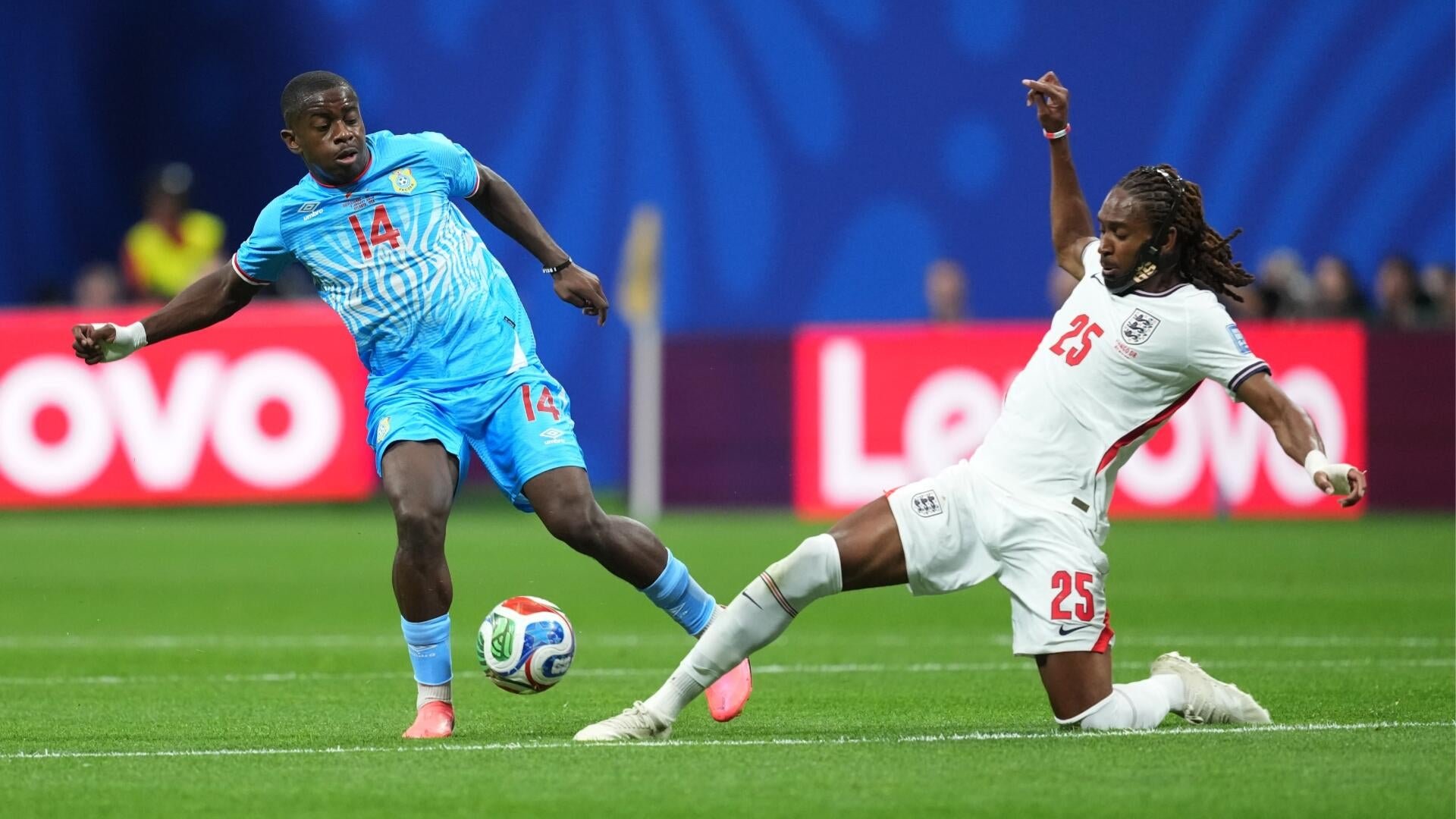
England arrive at the World Cup's last-32 stage on 1 July 2026 with the sort of problem most coaches would have gladly signed up to weeks ago: too many games, too few bodies, and a specific gap in a very specific position. According to BBC Sport, Jarell Quansah and Reece James both sat out training on 30 June as England's right-back issues mounted ahead of the meeting with DR Congo the following day. The 1 July 2026 fixture, scheduled in the United States as part of the expanded 48-team format, has tilted away from a tactical story and toward a squad-management one.
The theme of the tournament so far is depth. England's path through the group stage carried them comfortably into the knockouts; what it has not done is protect the right side of the defence. James's status, in particular, has been the kind of footnote that becomes a front-page item at this stage of a World Cup — a starter who can tilt a knockout tie simply by being available.
A position problem, not a tournament problem
Reports from the England camp on 30 June 2026 are narrow but pointed. The concern is not form, not selection in midfield, not the forward line. It is two names, one position, and the absence of either from a session that mattered. Quansah, whose versatility has been one of the quiet assets of the squad's build-up, and James, whose profile is closer to a difference-maker, both missed training on 30 June 2026, per BBC Sport. The detail matters because the alternative names on the team sheet at right-back are young, less tested at this level, or both.
In a tournament organised around squad economy, the right-back slot is a stress test. A team that can absorb an injury to a centre-forward still picks; a team that loses its first-choice full-back feels it in both boxes. England's run to the knockouts has not yet required them to absorb that kind of hit at the position; the DR Congo tie will.
The counter-narrative: a squad built for exactly this
The easy read is that England, the perennial favourite, are wobbling at the worst possible moment. The harder read is more interesting. A 26-man World Cup squad is, in part, an insurance product against the kind of news England woke up to on 30 June 2026. The manager's selection calls in the final group game — the rotation, the minutes managed, the early substitutions — were all built to keep first-choice players fresh into the third week of the tournament. Whether that product now pays out, in a last-32 tie against a side that has nothing to lose, is the question the next 48 hours will answer.
The SportsLine model that surfaced on 1 July 2026 (via CBS Sports) installs England as favourites on the day, and on paper the gap is real. The same market, however, is not blind to the right-back problem: prop markets built around clean sheets and assists have moved accordingly. The book does not punish England for the absence; it reprices what England can plausibly deliver without a settled right side.
What DR Congo bring, and why this is not a formality
The storyline of England's last-32 tie will be written largely about England, which is the familiar shape of these games. It risks obscuring the opponent. DR Congo qualified through a path that did the side no favours, and their group-stage form suggested a team that has learned to play the percentage game at this level. A side that has reached the knockouts of an expanded World Cup has, by definition, already done something this cycle was designed to make difficult.
The structural point is that the 2026 format has reshaped the texture of a last-32 tie. Eight extra teams means more fixtures between opponents who, in the previous format, would not have met at this stage. For a heavyweight like England, that is an inconvenience of the draw; for a side like DR Congo, it is the opportunity the format was built to create. The right-back shortage in the England camp is the headline, but the dynamic of the match — a tournament-favourite, a knockout round, an opponent with nothing to lose — is a more durable story than the team sheet.
Stakes, and what to watch on 1 July 2026
If England win, the right-back question is filed under "managed." If they don't, the conversation shifts from rotation to selection, from depth to crisis. The SportsLine card for 1 July 2026 has England installed to progress; the BBC's reporting from the camp on 30 June 2026 sets the conditions under which that price is either earned or paid for.
The clearest near-term variable is James's availability. If he is fit, the question is contained. If he is not, the manager's options narrow to players whose tournament minutes have been deliberately rationed — which is the standard risk every major nation has carried into every World Cup since squad sizes were last extended. England's version of that risk just happens to be at right-back, on 1 July 2026, against an opponent that does not need to be flattered to be respected.
*Desk note: Monexus framed the tie around the right-back question because that is what the reporting on 30 June 2026 actually supports. The wider tournament context — the expanded format, DR Congo's route, the odds movement — is in the piece because it is the structural frame that makes the position story worth telling. Where the wire reads "injury doubt," this publication reads "selection economy."