Eighty-nine thousand abusive posts: FIFA's World Cup moderation ledger comes due
FIFA's monitoring service logged 89,000 abusive posts during the 2026 World Cup group stage, with more than one in ten flagged as racially motivated. The numbers test whether platform partnerships can scale to a tournament of this size.
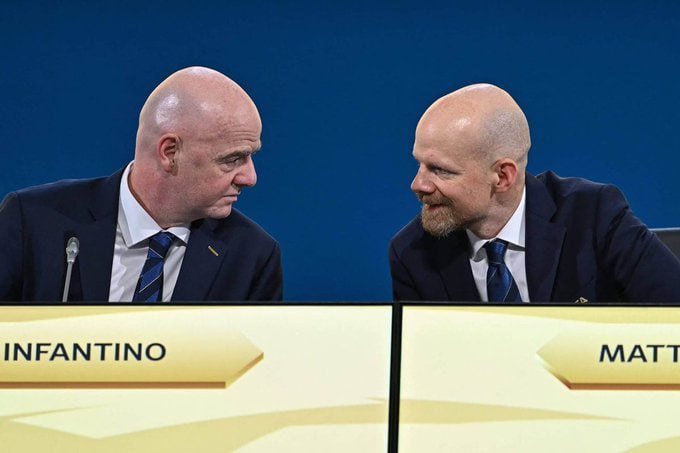
FIFA's Social Media Protection Service logged 89,000 abusive posts directed at players, teams and officials during the group stage of the 2026 World Cup, the federation disclosed in figures released on 1 July 2026, with more than one in ten of those messages classified by the service as racially motivated. The total covers only the first phase of a 48-team, 104-match tournament staged across the United States, Canada and Mexico, and it lands before the knockout rounds have begun.
The headline number is less important than the test it describes. FIFA, working with a coalition of platforms, has spent four years building a moderation layer designed to catch abuse inside a tournament that, by design, concentrates the world's sporting attention into a six-week window. Whether that layer can keep pace with the volume, and whether it can do so without quietly laundering the worst content into invisibility, is now an operational question rather than a policy one.
What the service actually does
FIFA's Social Media Protection Service scans public posts on participating platforms using a mix of keyword filters, machine-learning classifiers and human review, then forwards flagged content to the relevant company for action — typically takedown, suspension or labelling. The federation framed the 89,000 figure as the output of that pipeline during the group stage of the 2026 tournament, with "over one in 10" tagged as racially motivated, the highest-severity subcategory the service distinguishes.
The scale matters. Previous World Cups produced smaller raw totals in part because the surface area was smaller: fewer matches, fewer teams, fewer simultaneous storylines generating engagement. The 2026 edition is the first to use the expanded 48-team format, hosted across three countries, with matches in 11 US cities and additional venues in Toronto, Mexico City, Guadalajara and Monterrey. Each additional match is a fresh injection of virality, and each viral post is a fresh candidate for abuse.
A plausible alternative read
The 89,000 figure could be read two ways. The optimistic case is that the service is working: it is catching what would previously have stayed up, and the high racial-abuse share reflects a granular taxonomy rather than a tolerant platform environment. The pessimistic case is the opposite — that visibility has simply grown faster than enforcement, that the same volume of abuse is being produced and only a slice is being intercepted, and that the figure functions as a metric of detection capacity rather than harm.
Both readings have support. FIFA's framing leans toward the first. Players' unions, including FIFPRO, have consistently argued that detection without consequences is theatre; they want prosecutions, account terminations and platform-level sanctions, not just removal of individual posts. The federation's release does not specify how many of the 89,000 posts resulted in account actions versus quiet removal, nor how many originated from accounts the platforms had previously flagged. The figure is a denominator without a clear numerator.
The structural pattern
Large sporting events have become a stress test for platform governance. The Super Bowl, the Olympic Games and the Champions League final each generate short, intense bursts of attention that compress a year's worth of ordinary moderation pressure into a single evening. FIFA's service is the most ambitious version of that idea yet: a dedicated monitoring operation built for one tournament, funded by the federation and the host federations, and operational across the major Western platforms for the duration of the competition.
What the service cannot do is reform the incentive structure that produces the abuse. Recommendation algorithms surface the most reactive content because reactive content is engagement; engagement is advertising inventory; advertising inventory is revenue. A moderation layer that removes some of that content after publication does not change the calculus that produced it. The tournament can be made cleaner; the underlying economy cannot be cleaned by FIFA alone.
What remains contested
Two questions are still open. First, the racial-abuse classification: the federation has not disclosed how the service distinguishes a racially motivated post from a merely abusive one, or what training data the classifier relies on. Without that, the "over one in 10" share is a number that resists auditing. Second, the cross-border question — a meaningful share of World Cup abuse is generated by accounts in jurisdictions where the participating platforms have limited enforcement reach, and FIFA's release does not break out geography.
The numbers will harden once the knockout rounds end on 19 July 2026 in East Rutherford, New Jersey, and FIFA publishes a cumulative tally. Until then, 89,000 is the figure the federation has chosen to put on the record. The interpretation is still up for grabs.
This article tracks FIFA's own disclosure; the moderation totals reflect the federation's reporting taxonomy and have not been independently audited by external researchers.
Wire provenance
This editorial synthesis draws on the following public wire/social posts:
- https://t.me/FIFAcom