LeBron's free-agency detour: a Lakers exit that resets the Western Conference
LeBron James has informed the Lakers he is leaving, and with $52m of cap space and Luka Dončić in the fold, Los Angeles is already pivoting to its next act.
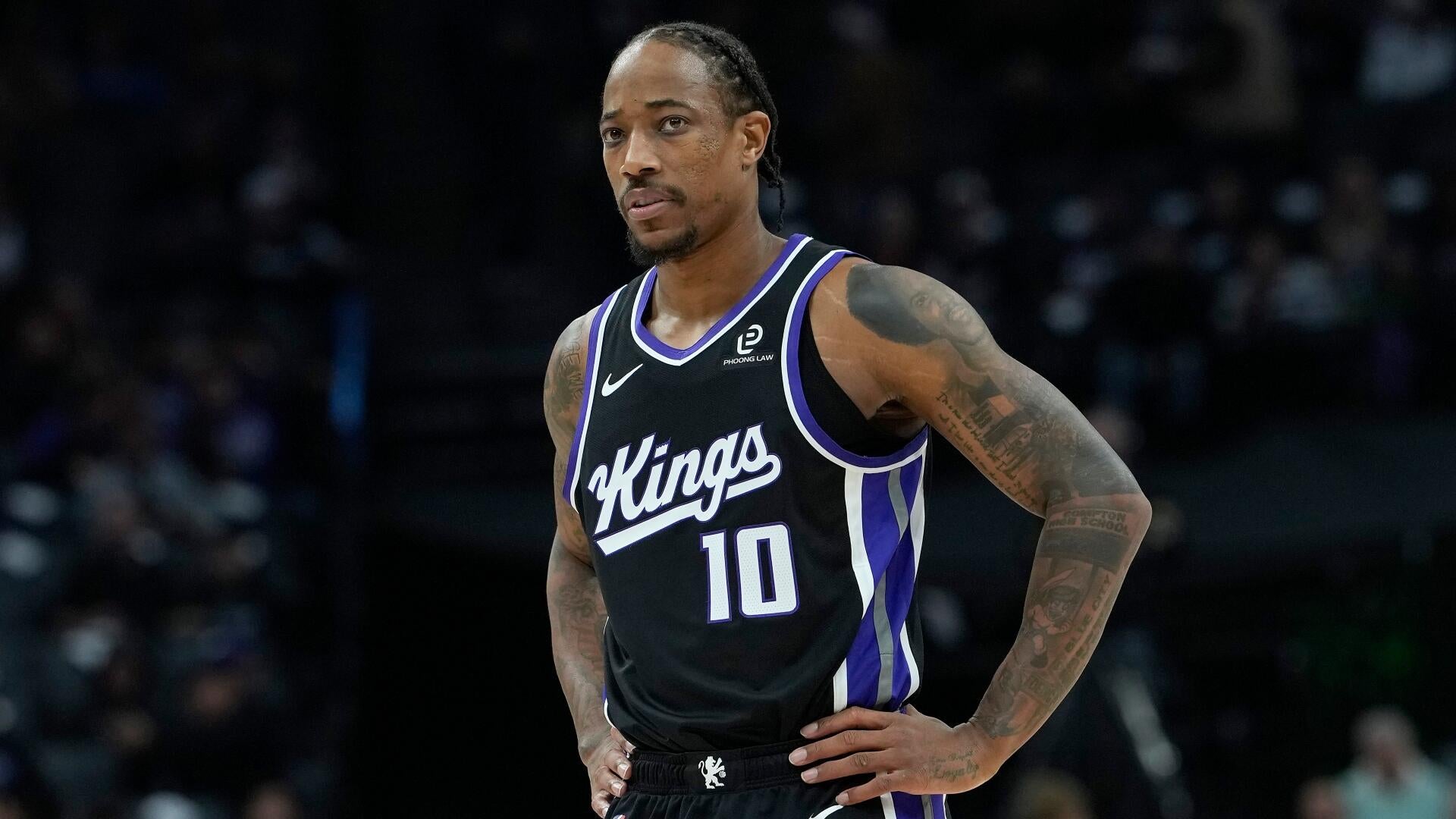
LeBron James has informed the Los Angeles Lakers that he intends to leave the franchise this off-season, ending the second chapter of a 23-year NBA career and setting off the most-watched free-agency sequence of the summer. The decision, reported across ESPN and BBC Sport on 30 June and 1 July 2026, hands the 41-year-old the rare chance to choose his own ending rather than have one chosen for him.
The departure is less a collapse than a controlled handover. James's contract with the Lakers has expired, the player has signalled he wants to test the market, and a team already built around Luka Dončić now has a clear runway to spend. What looks, from a distance, like the closing scene of an era is, up close, an opening move in a much larger reshuffle of the Western Conference's balance of power.
The Lakers pivot
Los Angeles enters the next phase with $52 million in salary-cap space, according to CBS Sports, and an explicit shopping list: an "A-list centre" to pair with Dončić. The arithmetic is unforgiving. One max-level big man will eat most of that room, leaving the front office to fill the rest of the rotation with veterans on minimum deals and a still-developing supporting cast around the Slovenian superstar.
The structural problem is not new. The Lakers have spent two seasons building an offence around Dončić, who arrived in last season's Anthony Davis trade, and the early returns were good enough to convince the organisation that the future runs through him. James, by contrast, has spent the past year toggling between point guard and off-ball finisher — a role he can still perform at a high level, but not at the level the Lakers need to contend. ESPN's round-up of locker-room reaction, headlined by Dončić's "an honour" remark and Magic Johnson's tribute, captured the same ambivalence: respect for the player, clarity about the direction.
The cap room also reshapes the trade market. Other Western Conference teams that might have dangled centres at Los Angeles now know the Lakers have both the space and the motive to absorb salary. That single fact — $52m in cap room with a stated need at the five — is, for the next two weeks, the most consequential number in the league.
Where LeBron might land
Sky Sports's review of the free-agent field lists the Golden State Warriors as the early favourite, with the implicit question of whether Stephen Curry, at 38, and James, at 41, can share a backcourt for one more credible run. The Warriors have the cache, the system that has historically extended aging stars, and a need for a second creator. They also have a payroll already deep into the luxury tax, which is a constraint rather than a deal-breaker.
The longer list, drawn from BBC Sport's free-agency primer, includes the usual contenders: Cleveland, the franchise where James began and which has the sentimental pull and the cap room; Miami, where he has won twice and where Pat Riley still treats the veteran market as a competitive edge; and a handful of second-tier situations in which a contender needs a closer. The Phoenix possibility, floated in some pre-departure speculation, becomes harder once Deandre Ayton's contract situation is accounted for.
What every realistic destination shares is the same constraint: a team that thinks it is one player away from a championship in 2027. James is no longer a first option on a title favourite — the on-court evidence of the past two seasons is too consistent for that argument — but he remains, by a comfortable margin, the most efficient second option in the league.
The structural read
The shape of the move says more about where the league is than about James himself. The NBA's most marketable players are now routinely the league's oldest. Stephen Curry, Kevin Durant, James — the three pillars of the post-2016 era — are all north of 38 and still treated as franchise-shaping assets. The economics make the pattern self-reinforcing: maximum-length contracts tied to past performance, paired with load management and a league-wide rise in three-point efficiency, allow stars to extend their high-impact years further than any previous generation.
James's exit is also the cleanest possible illustration of the player-empowerment era he helped build. Twenty-three years into his career, with four championships, four MVPs and a résumé that no longer requires additions, he is exercising the same leverage he used to leave Cleveland for Miami in 2010. The only difference is the destination: instead of joining a superteam, he is choosing one last roster that fits how he wants to play the final stretch.
The Lakers' half of the transaction is equally legible. Dončić is 27, under contract for the long term, and entering the season as the team's offensive engine. Surrounding him with a true centre and a credible wing rotation is the obvious next step, and the $52m in cap space gives the front office something it has not had in three years: optionality.
What remains uncertain
The reporting is solid on the fact of departure and on the cap arithmetic; it is thinner on two points. First, James has not yet named a preferred destination, and Sky Sports's list is explicitly speculative. Second, the Lakers' centre market will depend on whether teams such as Oklahoma City and Denver decide to attach picks to their big men, a question that does not have an answer until the trade window opens in earnest.
The timeline also matters. NBA free agency formally opens in early July; the league's moratorium ends shortly after. The next ten days will likely determine whether James signs quickly to join a contender or holds out for a trade that brings back assets. Either path is plausible, and the sources do not, at this stage, point firmly to one.
For now, the league has its summer story: a 41-year-old superstar with options, a former franchise in transition, and a Western Conference whose balance is about to be redrawn around a single number in a salary-cap ledger.
This publication framed the Lakers' $52m cap room and Dončić's role as the structural story, with James's free agency as the catalyst — a different weight than wire coverage, which centred the farewell.