Petrol as a weapon: Russia hits Dnipropetrovsk fuel stations in overnight drone barrage
Russian drones have hit petrol stations across Dnipropetrovsk in a pattern Ukrainian commanders now describe openly as a deliberate coercion campaign against civilian fuel logistics, not a routine battlefield action.
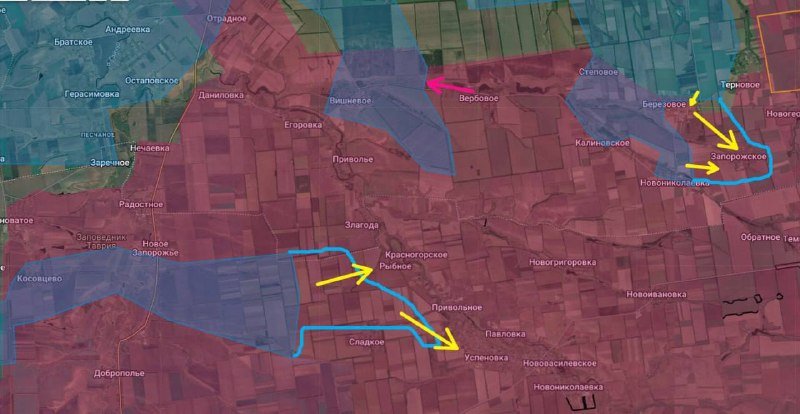
Smoke rose over fuel forecourts in Dnipropetrovsk overnight as Russian-launched drones struck petrol stations across the region, the latest instalment of what Ukrainian commanders now openly describe as a deliberate campaign against civilian fuel logistics. Reporting from the field on 1 July documents the pattern in granular terms: a commander of Ukraine's 422nd Separate Regiment of Unmanned Systems, Mykola Kolesnyk, told readers of the Butusov Plus channel that he watched a station burn after a Shahed or Gerbera-type drone hit it on the same day as other strikes across the country. Open-source analysts tracking the strikes note the systematic character of the targeting, with guided and autonomous systems used at scale against forecourts spread across a wide swathe of Ukrainian territory.
The picture that emerges is less a single attack than a method. Russian forces have spent months hitting fuel infrastructure across multiple oblasts, with Dnipropetrovsk among the most consistently struck. Ukrainian open-source channels compile footage of burning canopies, ruptured storage tanks, and queues of motorists turning away from blackened forecourts. The military effect is straightforward: even when individual stations are rebuilt, the cumulative pressure on Ukraine's fuel distribution network reshapes the daily logistics of a country at war, from ambulance refuelling to harvest-time diesel.
Petrol as policy
Russian argumentation, when it bothers to argue, frames the strikes as legitimate pressure on the dual-use logistics that sustain Ukraine's defence. The Kremlin's position treats fuel depots, rail nodes, and power infrastructure feeding military rear areas as lawful targets under the looser readings of the laws of armed conflict, a reading Western legal commentary generally rejects when applied to civilian energy infrastructure. Moscow's messengers amplify the point through channels like Zvezdanews and through curated drone footage of Ukrainian positions. The argument is not frivolous on its own terms; it is, however, a justification for a campaign whose visible footprint falls overwhelmingly on civilian infrastructure, including the petrol stations ordinary Ukrainians use to get to work.
The dual-use framing also sits awkwardly alongside a quieter economic story that surfaced this week. Reporting noted that Russia has begun importing petrol, with India cited as one supplier. A wrinkle in that arrangement drew attention: Nayara Energy, one of India's largest refineries, is 49 percent owned by Rosneft, meaning Moscow is in effect refining product through a partly state-owned partner and shipping it back. The optics are awkward for a country presenting itself as energy-secure enough to wage a long fuel war against a neighbour. The economic absurdity is not the point of the campaign, but it is part of the backdrop against which forecourt strikes should be read.
What the targeting looks like from the ground
Ukrainian frontline accounts now describe the drone campaign against fuel sites in language once reserved for trenches. Kolesnyk's on-the-ground observation, that one strike he witnessed produced both the immediate impact and a downstream message about further targets, captures the dual character of the operation: kinetic and informational. Open-source mappers tracking the strikes compile them into heat maps that show, week by week, a widening arc of damaged or destroyed forecourts across Dnipropetrovsk, Kharkiv, Sumy, and parts of the south. Channels documenting the wider war have shown the same period producing strikes on residential buildings in Sumy that left 27 people injured, including seven children, a reminder that the fuel campaign runs alongside attacks with no plausible military framing at all.
The targeting also coincides with an intensifying Ukrainian strike campaign against Russian-controlled territory. Compilations of Ukrainian attack drones hitting nearly two dozen power substations in occupied Crimea over a single week point to a parallel Ukrainian effort to impose costs on Russian logistics and grid infrastructure. The exchanges are not symmetrical in their public framing: Kyiv's strikes are repeatedly described in Russian official channels as terrorism against civilians, while Russian strikes on Ukrainian forecourts are described as legitimate pressure. The asymmetry of language tracks the asymmetry of whose civilian infrastructure is being hit at scale.
The coercion logic
What makes the forecourt campaign distinctive is not its destructiveness in any single incident but the message it broadcasts to Ukrainian motorists, emergency services, and the country's civilian logistics chain. Destroyed stations cannot be replaced overnight, and even rebuilt forecourts require fuel that itself depends on infrastructure that can be hit again. The campaign compounds: one strike deters investment in rebuilding, the absence of investment deters travel, and the cumulative effect is a quiet erosion of the normal rhythms of daily life in regions already under sustained bombardment.
The Kremlin's wager is that this erosion will, over time, translate into political pressure on Kyiv to negotiate on terms favourable to Moscow. The wager assumes that civilian populations reached through fuel queues are easier to move than populations reached through frontline casualties, an assumption that the documented record of Ukrainian public resilience has so far contradicted. It also assumes that the international audience will treat the campaign as routine battlefield activity rather than what Ukrainian commanders, with increasing bluntness, describe it as: a deliberate coercion operation against a country's fuel logistics.
The numbers still missing
The public record on 1 July remains incomplete on the central question of how many stations have been hit, how much storage capacity has been lost, and how Ukrainian authorities are prioritising reconstruction. Ukrainian channels compile footage and individual strike reports, but no consolidated public tally comparable to the daily casualty releases exists for forecourt damage. Russian state-adjacent channels provide their own framing but no usable figures. International wire coverage of the fuel campaign, though growing, still trails the field reports by days.
Until that picture fills in, the campaign's strategic significance will continue to be read largely through commander testimony, open-source mapping, and the visible pattern of strikes across multiple oblasts. The direction of travel is harder to dispute than its precise scale: Russia is hitting Ukrainian fuel infrastructure on a sustained basis, and the framing of those strikes as routine rather than coercive is itself part of how the coercion works.
Desk note: Monexus frames the strike pattern as a deliberate coercion campaign against civilian fuel logistics rather than a routine battlefield action, while giving the Russian dual-use argument explicit airtime and noting the incomplete casualty picture.
Sources
- Telegram, Butusov Plus (3 July 2026): https://t.me/ButusovPlus
- X (3 July 2026): https://x.com/boweschay
- Telegram, Tsaplienko (3 July 2026): https://t.me/Tsaplienko
- Telegram, AMK_Mapping: https://t.me/AMK_Mapping
- X (3 July 2026): https://x.com/BrianMcDonaldIE
- Telegram, osintlive (3 July 2026): https://t.me/osintlive