Ukrainians head into July 2 holiday week as forecasters flag dangerous storm and pension rules shift
A pinch of bureaucratic housekeeping and a wall of approaching storms: the first day of July brought Ukrainians new fuel labels and pension adjustments, with forecasters warning of a dangerous anticyclone and a church holiday around the corner.
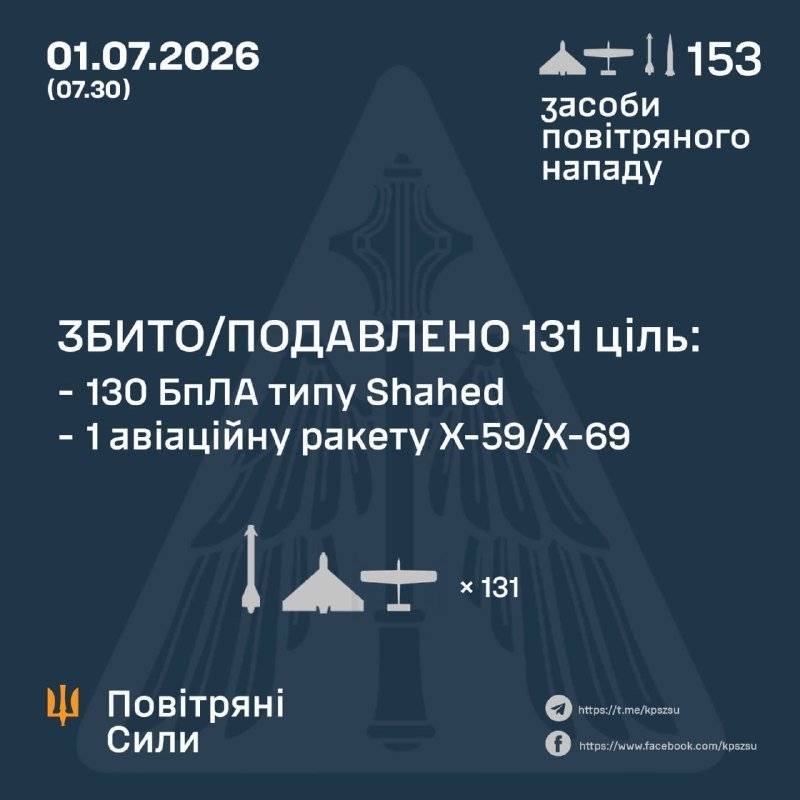
On the first working day of July 2026, Ukrainians woke into a small storm of paperwork. As of 1 July, pension rules, internally displaced person (IDP) payments and fuel labelling all shifted in ways that, taken individually, look routine. Taken together, they offer a snapshot of a wartime state learning how to administer itself in real time, while meteorologists warned that the same week would bring weather worth taking seriously.
The thread running through this week is unglamorous but revealing: a country under invasion adjusting the dials of daily life — pensions, fuel bowls, calendars — while keeping one eye on a sky that may turn hostile before the holiday weekend. None of these decisions are seismic on their own. The pattern they form is.
Pensions, IDPs and the fuel label
The cluster of changes that took effect on 1 July covers three fronts at once. Pension recalculations and adjustments to internally displaced person payments formed the social-policy layer of the change. A new fuel-labeling regime completed a regulatory housekeeping measure that consumers will see at the pump: more granular markings intended to make compliance checks faster and to reduce the scope for diluted or mislabelled product reaching the market. The Ukrainian outlet TSN.ua published a consolidated explainer of the changes on 1 July, listing pensions, IDP payments and the fuel label as the three items readers needed to know about on the day the rules switched over. Each item is small; each is the kind of adjustment that becomes consequential only when it interacts with the next.
A storm the size of a country
Alongside the paperwork, forecasters warned that an anticyclone and atmospheric anomalies were approaching Ukraine, with a "dangerous storm" flagged for the days ahead. TSN.ua's weather report on 1 July urged readers to prepare rather than treat the week as ordinary summer. The phrase "powerful anticyclone" carries weight in Central European forecasting: it implies not just a temperature spike but a cap of stable air trapping pollutants at the surface and a heightened risk of severe convective cells breaking out at the edges. For a country whose energy infrastructure remains a wartime target, the timing of any storm is operationally significant.
The calendar turns on 2 July
The piece on the 1 July TSN.ua thread that frames the week is the church holiday falling on 2 July. The Orthodox calendar marks the feast of the Placing of the Robe of the Most Holy Theotokos at Blachernae — a commemoration rooted in the fifth-century tradition that a relic of the Virgin Mary's robe was translated from Palestine to Constantinople. For practising Orthodox Christians in Ukraine, it is a day of memorial and intercession; for everyone else, it is a marker of rhythm. The 2 July date sits at a hinge: a Wednesday in 2026, between the administrative reset of 1 July and what the calendar will become as the month unfolds.
Why the dials matter
Taken individually, pension recalculations, fuel labels and severe-weather warnings are exactly the kind of news that disappears under the first headline about a missile strike. Read together, they sketch a different picture. Wartime Ukraine is doing what mature states do during long emergencies: it is calibrating social transfers, tightening consumer-protection rules, briefing its citizens on weather risk, and rotating religious and civic holidays through the year — all while keeping primary attention on the war itself. The fact that these stories land on the same Tuesday tells you something about the bandwidth of the state and the newsroom: there is enough personnel and enough daylight to run them in parallel.
The counter-reading is worth registering too. Citizens living through a war do not always experience administrative housekeeping as competence; they experience it as paperwork. There is a defensible case that, in the seventh year of a grinding conflict, the volume of small regulatory changes can itself become a weariness — a reminder that the state, however functional, is still asking civilians to keep up. The available reporting does not weigh in on that balance; it simply logs the changes.
What the sources do not specify is how the approaching storm will interact with damaged energy infrastructure in any particular oblast, or whether the pension recalculation produces winners or losers in net terms for IDP households. Those are the questions a follow-up report will have to answer once the relevant ministry publishes disaggregated figures. The thread this week gives the calendar; the substance will follow.
Desk note: Monexus treats 1 July 2026 as a marker of administrative continuity rather than a turning point in the war. The framing here is deliberately domestic: pensions, fuel, weather, the church calendar — the texture of a country absorbing shock while refusing to stop governing. Western wire coverage on Ukraine this week will be dominated by the front; this article is the second beat, on purpose.
Wire provenance
This editorial synthesis draws on the following public wire/social posts:
- https://t.me/TSN_ua/100
- https://t.me/TSN_ua/101
- https://t.me/TSN_ua/102