USMNT's Bosnia test is also a referendum on Pochettino's project
A red card in Sarajevo turned a tune-up into a stress test. With Belgium up next, the Bosnia friendly is now the clearest read yet on whether Pochettino has built a team or just a moment.
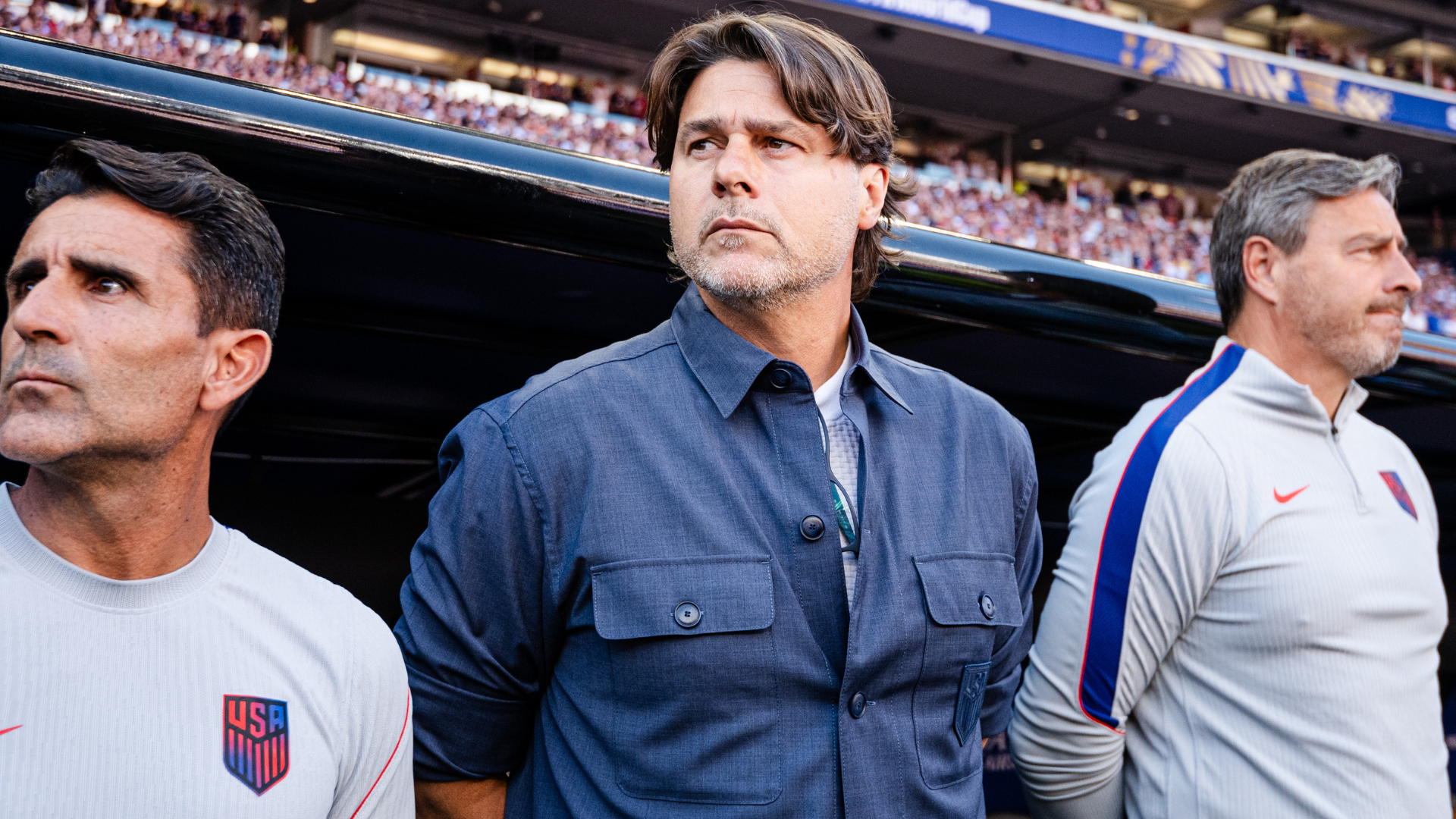
Folarin Balogun called it an "emotional roller coaster" in the days after Wednesday's friendly in Sarajevo, and the phrase does more work than he probably intended. The U.S. men's national team forward picked up a red card in a tight contest with Bosnia-Herzegovina, watched the rest of it from the bench in whatever state of mind a red-card viewing allows, and emerged with a tournament still to play and a manager whose public tone has invited exactly the scrutiny now arriving.
Mauricio Pochettino's brief has always been obvious: turn a talented, shallow squad into a side capable of winning knockout football at a World Cup hosted on home soil. The first half of that ledger is in better shape than it was twelve months ago. A knockout win, the first for the USMNT in a generation, has already been banked. The second half, which is the half that actually defines the project, gets its first real examination against Belgium. Sarajevo was a tune-up with consequences, and the consequences are now travelling with the team.
What Pochettino actually said
In a press conference carried by ESPN, Pochettino described the Bosnia tie as "final" in tone, instructing his players to treat it as a dress rehearsal for the round ahead. The wire has reproduced the quote and the framing; the tactical substance of what he demanded of his side on the night remains the more interesting document. Treating a summer friendly as a final is not, on its own, a managerial innovation. Treating it as a final while your best centre-forward walks early and your back line absorbs pressure is a different kind of instruction, and the team did not pass it cleanly.
The sending off, by Balogun's own account, was the kind of moment that punishes ambition. He has said he intends to "support the boys" from the sideline, which is the correct sentence and not the one that tells you whether the next ninety minutes go well without him.
The knockout win that reset the ceiling
For most of the last two decades the USMNT's ceiling at senior tournaments was the round of sixteen, and the floor was the same. Pochettino's side have now cleared that ceiling once, which is the minimum a project of this budget and noise was supposed to do. CBS Sports' framing of the question, whether the USMNT have "actually proven anything yet at the expanded World Cup," is the right one, and the honest answer is: a thing, not the thing. Proving you can win a knockout game is a different sentence from proving you can win the knockout game that matters, and everyone involved knows which sentence gets the headlines in late July.
Why Belgium is the real examination
Belgium are no longer the side that peaked at the top of the FIFA rankings, but they are still a side with serial knockout experience and a tactical grammar that punishes American impatience in midfield. A draw or a narrow loss in Sarajevo tells you almost nothing about how this USMNT will cope against a team that sits, breaks play, and lets you overcommit. A win, even a slightly flattering one, tells you Pochettino has taught his group how to win ugly. The available evidence points more toward the first of those sentences than the second.
What a "final" instruction actually demands
Coaches who use the word mean different things by it. Some mean intensity: full press, full sprint count, no player allowed to coast through a dead rubber. Some mean selection: the eleven who start the real game start this one, in the shape they will actually use, for as long as the legs allow. The cleanest reading of Pochettino's choice is the second, and on that measure the Bosnia night produced a partial answer. The shape held for a half. The personnel question is now harder, because Balogun is unavailable and the squad depth at the position was already the part of the project most exposed to scrutiny.
The stakes for the project, not the player
Pochettino was hired to do a job that survives a single bad result at this tournament, but does not survive two. A group-stage exit on home soil would not end his tenure in any literal sense, but it would end the argument that his appointment was the right one at the right time, and that argument is the only thing currently keeping the more patient faction of the federation's critics quiet. The Belgium game, sitting where it sits in the calendar, is the first referendum on whether the project has produced a team or a highlight reel. The next ten days will tell us which.