Kyiv reels from overnight barrage as rescuers pull bodies from rubble
A coordinated Russian missile and drone attack on the Ukrainian capital killed at least 25 people overnight, with rescuers still searching for eight missing as the toll rose through the morning of 2 July 2026.
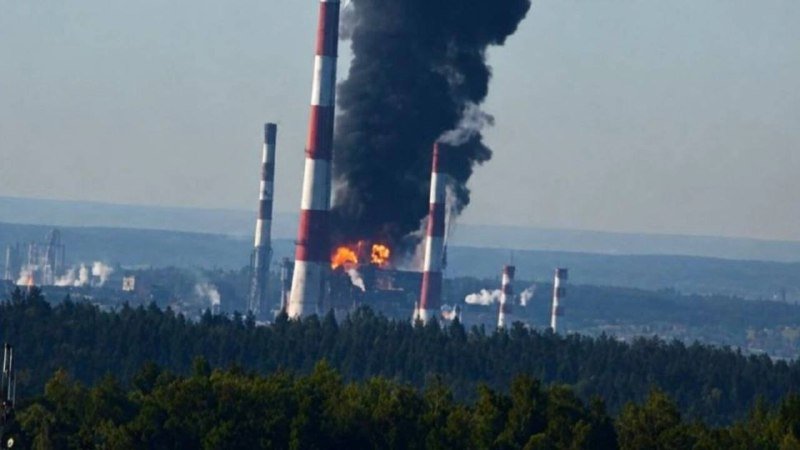
Overnight missile and drone strikes across the Ukrainian capital killed at least 25 people, with rescue crews still extracting bodies from a residential site and searching for eight more reported missing as of 2 July 2026. The toll climbed through the morning as another body was recovered from the debris, according to Ukrainian broadcaster TSN, which has been tracking rescue operations on its Telegram channel. Footage posted by Ukrainian outlets showed flattened apartment stairwells, twisted reinforcement bars and rescuers working by hand through what remained of the building. The attack is the largest single-event civilian toll Kyiv has recorded in several weeks and lands at a moment when Ukraine's air-defence commanders have publicly warned that interceptor stockpiles are being rationed against a sustained campaign of nighttime barrages.
The strikes fit a pattern that has hardened since spring: large salvoes combining Shahed-type one-way attack drones with cruise and ballistic missiles, timed to saturate air-defence batteries and stretch response windows. Ukrainian officials have framed each wave as deliberate targeting of civilian infrastructure, a characterisation Moscow disputes. What is not in dispute is the casualty math on the ground — a steadily rising death count updated by emergency services as crews reach deeper into the wreckage.
What happened overnight
The barrage struck Kyiv in the late hours of 1 July and ran into the early morning of 2 July, with impacts recorded across multiple districts. According to a translation posted by the open-source channel War Translated at 21:32 UTC on 2 July, the death toll had climbed to 25, with five victims recovered at one site alone and eight people still unaccounted for. Roughly an hour later, TSN reported that another body had been pulled from the rubble, taking the toll higher still.
Sprinter, a Ukrainian-affiliated X account that has been posting verified geolocated footage from the strike zone, circulated video from inside one of the damaged buildings showing the scale of destruction to a residential stairwell and adjacent flats. The footage is consistent with the pattern of damage Ukrainian civil-defence officials describe when a high-explosive warhead detonates inside a populated block: localised collapse, blown-out window frames on neighbouring buildings, and rescue access choked by debris.
The attacks follow weeks of steadily escalating Russian long-range strikes on Ukrainian cities, with Kyiv targeted repeatedly despite its dense air-defence coverage. Ukrainian air force briefings in recent weeks have said Russia is launching record numbers of one-way attack drones alongside fewer but heavier cruise and ballistic missiles, a combination intended to exhaust interceptor magazines before the more expensive munitions arrive.
The information picture
Reporting on the strike is being assembled in real time by a mix of Ukrainian broadcasters, Telegram channels run by emergency services, and open-source translators who work from primary Ukrainian-language posts. The chain of custody is unusual: official figures move from the State Emergency Service to outlets such as TSN and Suspilne, then to channels such as War Translated, which provide English-language renderings for international audiences.
The advantage of that pipeline is speed — casualty figures are updated as rescue teams report them, not on a press-conference cadence. The disadvantage is volatility. Tallies can move sharply between midday and evening as the same site is re-searched. The 25-figure cited at 21:32 UTC on 2 July is the same number referenced hours earlier in the day; the subsequent TSN report of another body recovered indicates the final count has moved past that mark. Readers should treat any single figure as provisional until the Ukrainian interior ministry or the Kyiv city military administration publishes a consolidated evening update.
Russian state media has not, in the materials available to Monexus, acknowledged the strike or its civilian toll. Russian defence ministry briefings over the same period have continued to describe strikes against "military-industrial" targets, framing that Kyiv and independent observers have consistently disputed throughout the war.
The structural frame
The strike on Kyiv sits inside a documented shift in Russian targeting doctrine. Open-source analysts tracking strike patterns have noted, in recent months, a heavier weighting toward drones designed to overwhelm defences economically, paired with smaller salvos of cruise and ballistic missiles aimed at specific high-value targets. The arithmetic is straightforward: a Shahed-type drone is cheap to produce and cheap to lose; a Patriot or SAMP/T interceptor costs multiples more per round. A saturation campaign does not need every drone to reach its target. It needs only to force defenders to spend.
Ukraine's Western partners have responded with air-defence pledges, but deliveries have lagged behind consumption. The domestic Ukrainian defence-industrial base has ramped up drone and interceptor production, but cruise and ballistic missile defence remains dependent on systems supplied from abroad. That dependency is now the central constraint on how many barrages of this scale Ukraine can absorb without significant civilian loss.
What we verified / what we could not
Verified. A death toll of at least 25 in Kyiv was reported by War Translated at 21:32 UTC on 2 July 2026, citing rescue operations at one site where five bodies had been recovered and eight people remained missing. TSN reported at 23:14 UTC that the toll had risen again with one more body recovered from rubble. Footage of strike damage consistent with a high-explosive impact in a residential building was posted by Sprinter at 23:18 UTC on 2 July.
Partially verified. The exact number of wounded, the districts affected, and the weapons mix used in the strike are not specified in the source material available to Monexus. Ukrainian officials routinely publish consolidated figures in evening addresses; those were not in the thread at the time of writing.
Could not verify. Russian acknowledgement or denial of the strike, the specific military or strategic target Russian forces intended to hit, and any official Russian-language framing of the operation. Russian state media did not feature in the source material reviewed.
Stakes
The human cost is the headline number, but the strategic stakes run wider. Every barrage of this scale accelerates the consumption of Ukrainian air-defence interceptors at a rate Western supply chains have not been able to match. If the pattern holds, Kyiv and other major cities will face a steadily rising casualty curve even as Ukrainian drone strikes inside Russia continue to push the war's geography outward. The political question for Ukraine's partners is no longer whether air-defence systems work — they do — but whether deliveries can be sequenced fast enough to outrun a campaign designed, in part, to deplete them.
The information stakes are equally concrete. Casualty figures that move by the hour make it harder for outside observers to fix a stable picture, and easier for competing narratives to harden before the rubble is cleared. Monexus will update this article as consolidated figures are published by the Kyiv city military administration and the State Emergency Service.
Desk note: Monexus led with Ukrainian primary sources — TSN, War Translated, and the Sprinter X account — and has flagged Russian state-media framing as absent from the available material rather than substituting it. The casualty figures cited are provisional pending the consolidated evening update from Ukrainian authorities.
Wire provenance
This editorial synthesis draws on the following public wire/social posts:
- https://t.me/TSN_ua
- https://t.me/wartranslated