England's Hand: Tuchel Faces the Round-of-32 Reckoning Against DR Congo
Thomas Tuchel enters the World Cup's round of 32 against DR Congo with a squad that has not yet revealed its strongest shape, and a penalty plan borrowed from his predecessor.
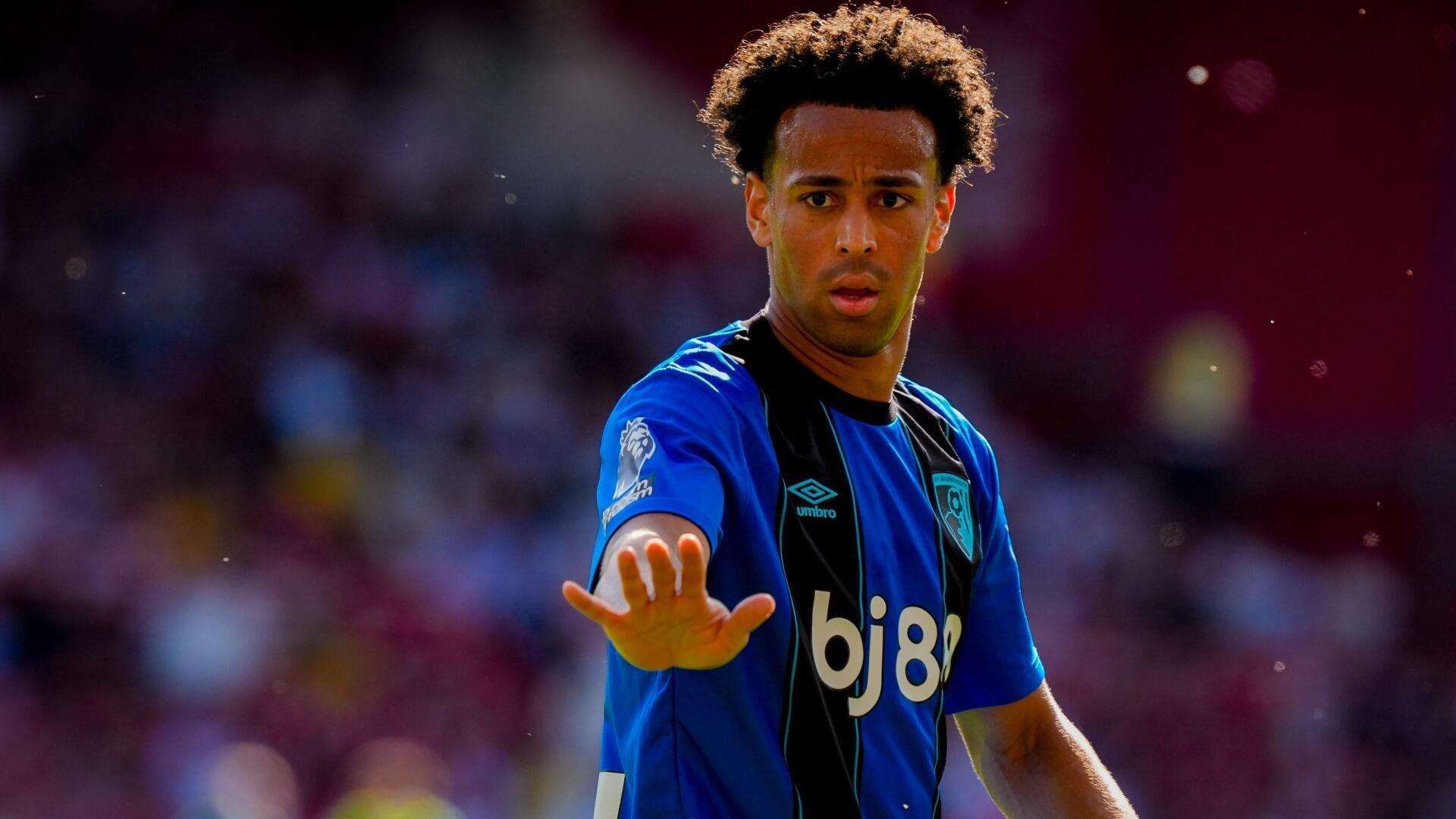
England arrive at the World Cup's last-32 stage without yet having shown their strongest hand. Three group games, three tepid performances and a managerial message that has spent more time in personnel code than in tactical clarity have left Thomas Tuchel with a problem that is now his to solve: pick a side that can beat a DR Congo team whose confidence is rising and whose manager, Sébastien Desabre, has spent the last week reminding the press that the Leopards did not come to North America to make up numbers.
The last-32 tie, played on 2 July 2026 at a venue Tuchel's staff have spent the week gamely trying to keep the press corps from over-analysing, is the first knockout game of any major tournament where the German coach has been forced to answer for selection, not rotation. Until now, the group fixtures could be filed under rehearsal. That is no longer the register. The danger zone, as the BBC's chief football writer Phil McNulty put it on 1 July 2026, is a place where the strongest hand is the only one worth playing.
The hand he hasn't shown
Tuchel's England have been strange in this tournament — comfortable in possession, cautious in the final third, and conspicuously unwilling to settle on a frontline. Three different forward combinations have started three different games, and each has been withdrawn with the same vague explanation about "managing minutes". That is a phrase that works in the Premier League in March. It works less well in a knockout World Cup round in July, against a side that has already shown it can press for ninety minutes.
The temptation now is obvious: name the team, write it in pencil not pen, and let the squad settle. But there is a counter-pressure that any experienced international coach will recognise. The deeper England go, the more valuable a settled starting XI becomes — and the more punishing a wrong selection reads in the post-mortem. Tuchel has been here before, at Chelsea and at Bayern, and the pattern is consistent. He is willing to be late on a settled side in exchange for the security of knowing the late one is the right one.
What is unusual, and what McNulty's piece on 1 July flagged, is that this is the first tournament in recent memory where the squad itself has provided almost no public pressure on the manager to make a call. The senior players — Harry Kane, Jude Bellingham, Declan Rice — have so far spoken in the careful, almost protective register of men who trust the process. That is helpful, but it is also a sign that nobody in the dressing room is yet sure what the process is.
DR Congo are not a courtesy draw
The instinct in the English press is to read any African draw as a manageable one. That instinct is the one most likely to be punished. DR Congo qualified for this round by being the most physical, the most direct and the most disciplined side in their group. Desabre has built a team that concedes possession cheerfully and chases the channels with a speed that no European side has yet been asked to defend against at altitude in North American summer heat.
The risk for England is not talent. It is pace of transition. The risk is that Bellingham, who has so far played as a ten drifting infield, finds himself chasing back into his own box inside the first twenty minutes because the Leopards have worked out that the space behind England's full-backs is the one piece of grass nobody in a white shirt is yet guarding with conviction. The risk is that Kane, who has scored one goal in the group stage, is asked to lead a line against a back three that does not need to do anything clever to contain him — just stay deep, stay organised, and wait for the moment England lose the ball.
It is also worth saying plainly that the round-of-32 at a 48-team World Cup is structurally different from the round-of-16 at a 32-team World Cup. The teams that have made it this far are, on the whole, the better half of a confederation, not the survivors of a brutal European qualifying group. DR Congo are a side that did not lose to a top-twenty nation in qualifying. The framing of the tie as a warm-up, which has been the default in some English coverage, is the framing the Leopards would most like to read.
The penalty plan, and the inheritance problem
On 1 July 2026 Tuchel confirmed what had been rumoured inside the FA's media operation for the better part of a week: England will follow the penalty-shootout blueprint that Gareth Southgate built across four consecutive major tournaments, reached the final of two of them, and turned into a piece of national institutional memory. It is a sensible inheritance. It is also an inheritance that carries a specific risk at a tournament where Tuchel has not yet had to defend a set-piece in a game that actually mattered.
The Southgate plan is, at heart, a process plan. It is built on the principle that the moment a coach nominates his five — and the order — is the moment the team stops pretending the lottery is a lottery. Tuchel has bought the process without, yet, having been forced to use it. That may matter more than any of the decisions he makes in the next forty-eight hours about who starts at full-back.
There is a deeper question lurking under the inheritance. The Southgate era ended in a final that England lost, and the air in the squad since Tuchel's appointment has been the air of a team trying to work out which parts of the previous cycle were the team and which were the manager. The penalty plan is the cleanest answer England have yet given to that question: we keep the things that worked, and we replace the person. It is not, yet, clear that the dressing room believes the second half of that sentence as firmly as the first.
What the next ninety minutes are actually about
The round of 32 will not, on its own, define Tuchel's England. It will, however, define the rest of his tournament. A comfortable win over DR Congo and the manager can go back to the patient work of trimming the squad, rotating the squad, talking about the squad in the careful language that has served him well since he took the job. A close win, and the questions about Kane's form, about Bellingham's role, about the identity of the best XI, will be the questions that follow the side to the quarter-final. A loss, and the cycle of analysis that has consumed every England tournament since 2018 will arrive two rounds early, and it will be louder for being premature.
The game is also a referendum on something the English football press has been gently avoiding for the last two weeks: whether Tuchel is, in fact, a tournament coach. His club record is unquestioned. His international record is six competitive games old, three of which have been won without ever being settled. The DRC game is the first one he will have had to win without the option of pretending it is a friendly.
The honest reading is that England should have enough to progress, and that the margin between a comfortable passage and a nervy one is a function of selection Tuchel has not yet made. The honest reading is also that DR Congo have already shown, in this tournament, that they are capable of punishing the kind of hesitation that an undecided team carries onto a knockout pitch. Whoever Tuchel names at 6pm local time on Wednesday will be, in some sense, the answer to a question he has been declining to ask in public. The Leopards will be the ones who tell him whether it was the right one.
Monexus framed this piece against the dominant English-wire read, which has been the read Tuchel himself has been carefully cultivating. The counter-narrative — that DR Congo are a genuinely awkward draw rather than a ceremonial one — is the one the manager cannot afford to keep deferring.