The World Cup's quiet gatekeeper: what the USMNT's Bosnia win actually settled
A 2-0 win in Philadelphia moved the USMNT into the last 16 and raised a sharper question: what kind of tournament does the host nation want to be?
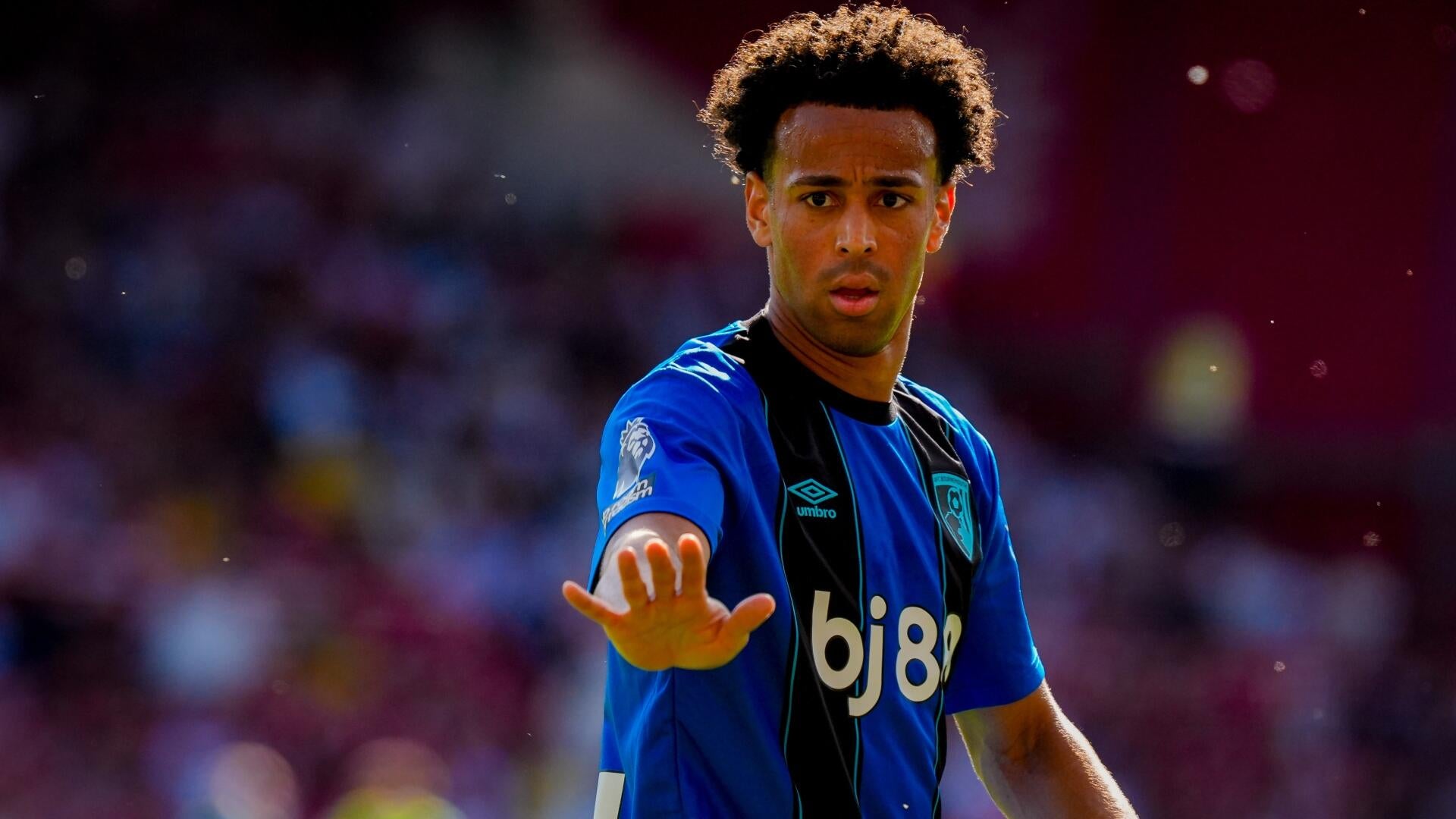
The United States men's national team walked into the Round of 32 on 2 July 2026 needing a result and walked out with one. Folarin Balogun, a forward wearing the number that has carried American expectations since the tournament began, put the side ahead against Bosnia and Herzegovina shortly before the interval at Lincoln Financial Field. Malik Tillman then extended the lead in the second half, and the USA closed out a 2-0 win that punched a ticket to the last 16. There was a complication: Balogun was sent off before the end. A victory that looked settled from the scoreboard was, on the disciplinary sheet, narrower than it needed to be.
The result matters less for the bracket than for what it tells us about how this U.S. squad wants to be read. Two goals, one red card, one round of progression. The pattern underneath is more interesting than the scoreline.
A team that scores early, then invites noise
Balogun's opener was the second goal the U.S. attack produced in this fixture, but the night had to be constructed before the line-up would settle. Pep Guardiola-style build-up patterns have not arrived with this generation; what arrived instead was a willingness to commit numbers into the final third and let the centre-forward finish the move. Tillman's goal, organised and struck with composure, suggested the supporting cast is buying into the same brief. The structure around the striker pair, fed by a midfield that has been asked to progress rather than simply contain, is finally producing the volume of chances the federation has been promising for two cycles.
Then came the red card. The sources do not specify the precise offence, only that Balogun was dismissed late in the contest. The lesson is procedural: in knockout football, the scoreline stops mattering the moment a side goes a man down, because the remaining hour is a referendum on whether the lead was big enough and the shape was deep enough to absorb pressure. On a late-July night in Philadelphia, the answer was yes.
What Bosnia-Herzegovina actually tested
Bosnia-Herzegovina, contesting only its second World Cup in the modern era, arrived as the kind of opponent that exposes structural weaknesses. They press in clusters, transition through quick wingers, and concede territory in the half-spaces if you have the patience to pull them apart. The U.S. had the patience in the first half and lost a slice of it in the second. The red card turned what should have been a clinical evening into a fight, and the U.S. took the fight on the chin rather than on the scoreboard.
The reading most Western commentary will settle on is that the Americans were unconvincing in the second half. That reading is true at one level and misleading at another. Against a side organised by a federation with a fraction of the budget, a manager who has known the squad for fewer weeks than his counterpart, and a domestic league structure with nowhere near the depth of MLS, the structural test is whether the U.S. can win ugly. They did. The historical record against Bosnia is now two wins from two, but those records matter less than the metric they just established for the next round.
What the host nation actually means now
There is a longer argument forming around this U.S. team that goes beyond football. A World Cup on home soil is a soft-power instrument as well as a sporting event, and the federation's messaging has consistently framed the squad as proof of a maturing national project. The framing is contested in exactly the way good framing should be: large parts of the American public are uninterested in soccer as a cultural artefact, the federation's governance has been rebuilt under federal oversight following earlier scandals, and the team's deep runs have tended to coincide with generational talent rather than sustained institutional excellence.
Where the dominant narrative holds: the player pool is genuinely deeper than at any point in U.S. history, with American-developed teenagers moving to top European leagues in numbers that would have seemed fanciful a decade ago. Where it does not: the federation has spent heavily on infrastructure while producing results that, until this tournament, oscillated between modest and underwhelming.
What we verified and what we could not
The score, the goalscorers and the red card are documented in wire reporting from France 24 and confirmed via the on-pitch reporting carried by TeleSUR English's live coverage of the goal sequences. The accounts line up cleanly on the events of the night: Balogun's opener, Tillman's second, the dismissal.
What the available sources do not establish, and what no honest piece should pretend to settle, are the wider questions the result raises. The Round of 16 opponent has not been confirmed in this material. The tactical shape used to defend the lead after the red card was not specified. The disciplinary rationale behind the sending-off has not, to this publication's reading, been independently verified beyond the fact of the dismissal itself. These are the gaps a reader should walk into the rest of the tournament with, rather than around.
The stakes from here
A U.S. side now in the last 16 of a home World Cup carries obligations no away team can match. The federation has asked the country to treat the squad as a national conversation. The players have answered with a 2-0 win and a red card that suggests they understand both the opportunity and the risks. The next opponent will be harder, the margin narrower, and the noise louder.
That is what a host-nation run is supposed to do: turn football into something slightly more than football. Whether the U.S. side chooses to carry that weight all the way to the quarter-finals is the only question that has not yet been settled.
Desk note: Monexus treats this fixture as a sports story first, with the structural read on host-nation politics kept short and proportionate rather than inflated. Where the wire sources stop, the piece stops too.
Wire provenance
This editorial synthesis draws on the following public wire/social posts:
- https://t.me/s/telesurenglish
- https://t.me/s/telesurenglish