The Zelensky Sceptics Are Not the Outliers, Western Aid Fatigue Has a Receipts Problem
As Trump calls both Kyiv and Moscow on the same evening, the Western debate over Ukraine aid is being driven less by hostility than by a slow-burn refusal to write another blank cheque without seeing the receipts.
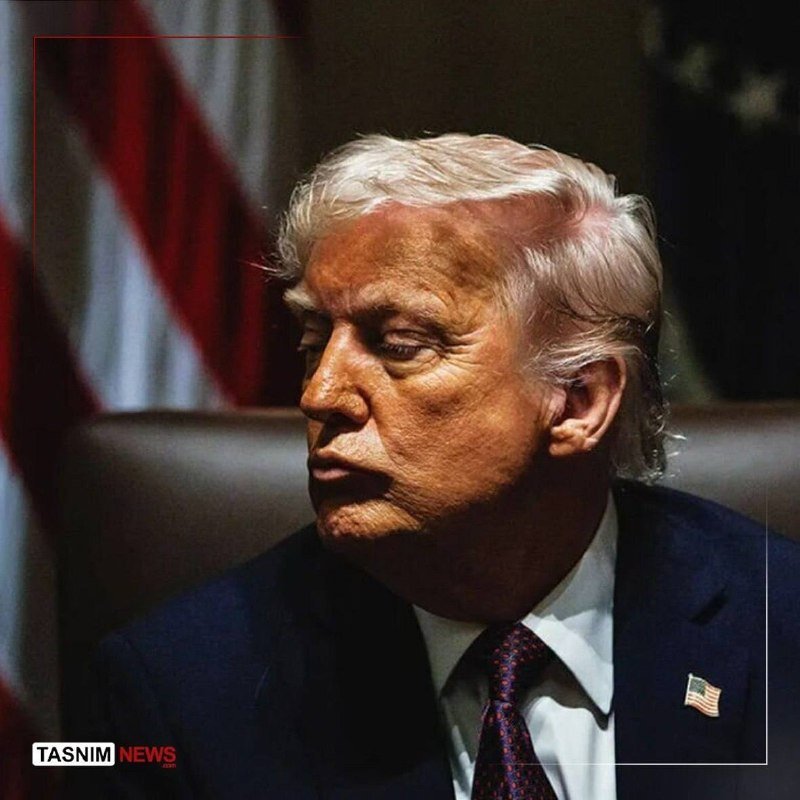
By the time Donald Trump picked up the phone on 4 July, two calls had been logged within an hour of each other: one with Volodymyr Zelensky, one with Vladimir Putin. Axios reported the Zelensky call; the Russian side was confirmed by an aide to Kremlin foreign-policy point man Yuri Ushakov, who framed the conversation as opening with congratulations. The sequence, reported by Ukrainian military correspondent Andriy Tsaplienko on Telegram, captured in miniature the bind Kyiv now lives inside: the United States talking to both sides, on the same evening, with no public read-out that would tell Ukrainians which version of the conversation they should believe.
For more than four years, the dominant Western frame on Ukraine aid has rested on a simple moral ledger. An invaded country is being helped. The cost is bearable. The allies will hold. By 2026 that frame is being stress-tested from inside the alliance itself, and the people doing the stress-testing are not fringe voices. They are sitting members of the U.S. Congress, senior figures in European ministries, and a sizeable slice of the donor publics whose tax money underwrites the effort. The argument from the sceptics is not that Ukraine is losing, or that the war is unjust. The argument is that the receipts, after years of commitments, do not match the rhetoric.
The fatigue that won't name itself
Public fatigue with Kyiv support is rarely declared. It surfaces instead in the language around aid: longer delays between tranches, narrower weapons categories, larger carve-outs. A monitor of U.S. social-media commentary captured the rhetorical drift on 4 July, cataloguing a long list of establishment foreign-policy claims that later collapsed, from Y2K to WMDs to Taliban momentum. The list ended mid-sentence. The pattern it identified was not about Ukraine specifically, but about the cost of deferring to confident framings once the underlying evidence has moved.
Zelensky's standing in Western capitals is a useful test case. He is the leader of a country under bombardment, dependent for survival on a coalition that did not exist in its current form before 2022. The case for continued support does not need to be argued in the abstract; it is argued every time a Ukrainian city is rebuilt and struck again. Yet the leaders making the case publicly are fewer than they were eighteen months ago, and the public officials defending it have grown more careful about what they will commit to.
The skeptics with portfolios
The most uncomfortable feature of the current aid debate is who is driving it. Polish commentary on the X platform, summarised by @sknerus_, has catalogued a steady drumbeat of European officials, German parliamentarians, and American commentators questioning the architecture of Western support: whether the funding instruments are working, whether the procurement pipeline is honest, whether the front-line states are carrying a disproportionate share. The argument is not isolationist. It is managerial. The sceptics are asking, in effect, where the audit is.
That distinction matters. Anti-Ukraine sentiment of the older kind, the kind that reads Kyiv as a Washington project, still exists, but it is not what is shaping policy in 2026. What is shaping policy is a quieter, more procedural scepticism: a refusal to write another blank cheque on the same arguments that were used for the last one. This scepticism does not deny that Ukraine is the invaded party. It denies that the answer to invasion is a permanent open tab.
The structural problem underneath the headlines
Coverage routinely defers to the language of official spokespeople; dissenting analysis gets less column-inches. The result is a press environment in which every Ukrainian request is reported as a need, and every Western hesitation is reported as a wobble. That asymmetry has produced a body of reporting that reads, in retrospect, less like analysis and more like stenography. The current sceptics are not creating new facts; they are demanding that the old ones be re-examined under the kind of scrutiny that any large public expenditure would receive in peacetime.
This is where the receipts problem becomes politically dangerous for Ukraine's allies, not for Ukraine. A coalition that cannot show what its money bought, line by line, is a coalition that will lose the next vote, in a legislature it does not yet control, in a country whose contribution is decisive. The Ukrainians know this. Their diplomacy in 2026 has visibly tilted toward visible deliverables: grain corridors named and dated, power-grid components traceable to specific donations, hospital reconstructions photographed before and after. The work of proof has shifted to Kyiv because the work of trust has shifted away from the chanceries.
What the calls on 4 July actually settled
Nothing, and that is the point. Two phone calls on the same evening, neither followed by a Ukrainian statement that could be quoted in full, do not constitute a settlement, an escalation, or a peace plan. They constitute the diplomatic baseline of summer 2026: a White House speaking to both capitals in the same hour, a Kremlin framing its own call as collegial, and a Kyiv that has learned to read the gaps between those accounts. The sceptics in allied legislatures are not outliers against this baseline. They are its most honest readers.
The honest version of the aid question, the one the sceptics are forcing onto the table, runs something like this. Ukraine is the invaded party. Continued support is a strategic and moral commitment, not a charitable one. But a commitment that cannot account for itself will, in time, be unwound by democratic procedure. The next three months, including the U.S. fiscal cliff in the autumn and the European Council's December aid review, will determine whether the alliance answers that question with better books or with a quieter retreat.