Belgium's stoppage-time survival masks the harder question facing a fading generation
Belgium overturned a 2-0 deficit to beat Senegal in extra time on 2 July 2026, but the latest-ever World Cup winner has handed a squad in transition more questions than answers.
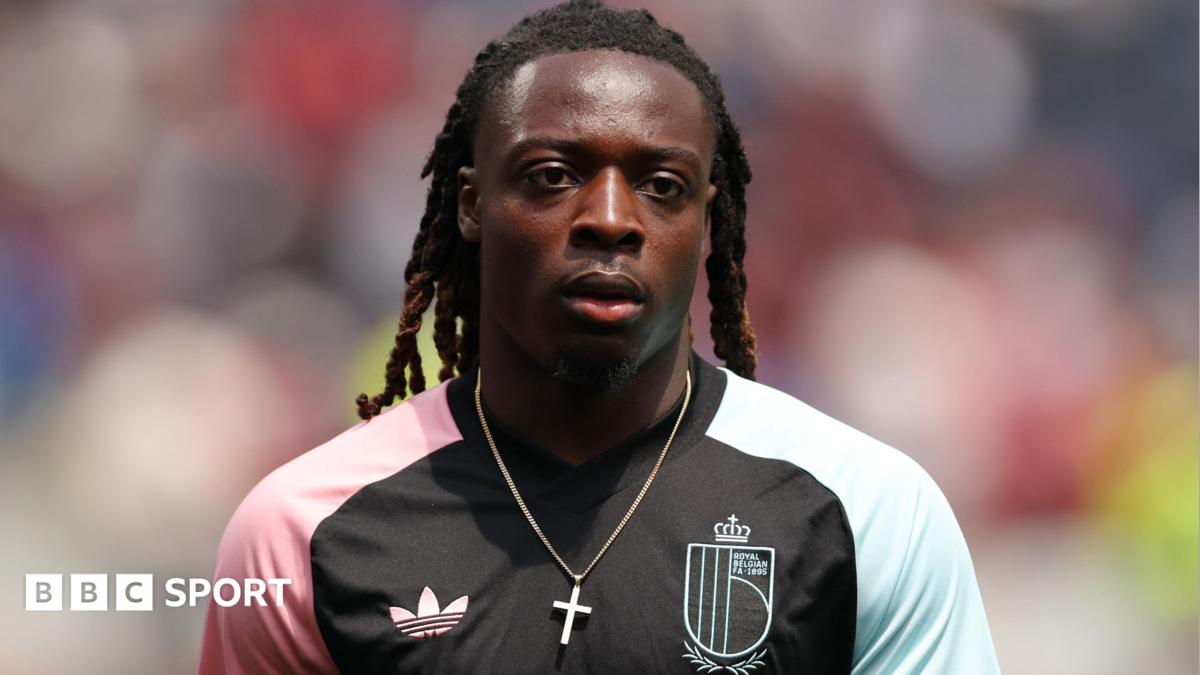
Belgium needed six added minutes, a second wind, and a slice of fortune to beat Senegal 3-2 after extra time in the World Cup round of 32, completing the latest knockout-stage comeback in the tournament's history. The final whistle, deep into stoppage time at the venue in question on 2 July 2026, spared a squad whose cycle has been talked about for so long it had begun to feel like folklore. The result sends Belgium into the last 16; it also postpones, rather than resolves, the reckoning that has followed this group since the 2022 setback in Qatar.
A squad that refuses to leave
The 2-0 hole Belgium dug themselves was the sort of scoreboard state that used to flatten them in this tournament cycle. Instead, two strikes in the closing minutes of normal time forced extra time, and a third in the additional period finished the job. The BBC reported the tie featured "late drama, controversy, history and heartbreak", with Belgium's third goal coming in the latest knockout-stage finish the World Cup has recorded. The ESPN match report framed the rally as "incredible character," a one-line summary that, depending on temperament, reads either as a tribute to the squad's elasticity or as the brief delay of an inevitable handover.
What Senegal exposed — and what they leave behind
Senegal's two-goal lead, taken early and held for long stretches, was not a fluke. The ESPN account credited them with a performance that "had everything", and the structural picture is harder to spin than the scoreline suggests. A Belgian midfield missing the legs it had six years ago struggled to press Senegal's transitions; the back line needed two interventions from the goalkeeper and the woodwork to stay within reach. The comeback papered over stretches in which Belgium were second to every loose ball. The ESPN piece ends, deliberately or not, on an open question: was the fightback "a sign of things to come, or one last flourish from a golden generation of players?" The honest answer is that a single match cannot decide that. The fact that the question is being asked is itself the data.
Why the dominant framing still favours Belgium — barely
The post-match narrative will, fairly, belong to the side that won. Knockout football rewards the team that solves the problem at hand; Belgium did, Senegal did not, and the additional 30 minutes of extra time left no margin for further debate. The counter-read is that Senegal, in their first knockout appearance at this stage of a World Cup in living memory, played the more coherent football for the bulk of the contest and were undone by minutes, not by a structural gap. ESPN's framing leans towards Belgium's character; the BBC's leans towards the match as an event, with controversy and history rather than tactical verdict front of mind. Neither framing is wrong. Together they describe a contest in which the better team across 90 minutes may well have lost, and the better team across 120 minutes earned the right to continue.
What the draw now demands of Belgium
The next opponent, set by the bracket that follows the round of 32, will not care about the romantic arc. The bigger structural question is what this Belgium side is, going forward. The same names — the captain, the midfield metronome, the winger now in his thirties — have carried the load for three tournaments. The stoppage-time winner suggests the tank is not empty; it does not suggest it is full. For the management staff, this match reads less as vindication and more as evidence: the system still works when the squad rediscovers intensity, but the response had to be forced. A side that requires the 93rd minute to wake up is a side that has lost the right to start slow.
Desk note: the wire tonight ran the result as Belgium's character and Senegal's heartbreak. Both framings carry weight; the deeper story is that a transitional squad bought itself one more week, and the next match will tell us how much of the comeback was tactical steel and how much was time running out.