A Downtown Gallery Closes. The Question Is What It Closes With.
Lyles & King, a fixture of the Lower East Side scene for ten years, shut its doors on 20 June. The closure lands less as a one-off than as a marker of where the downtown gallery economy is heading.
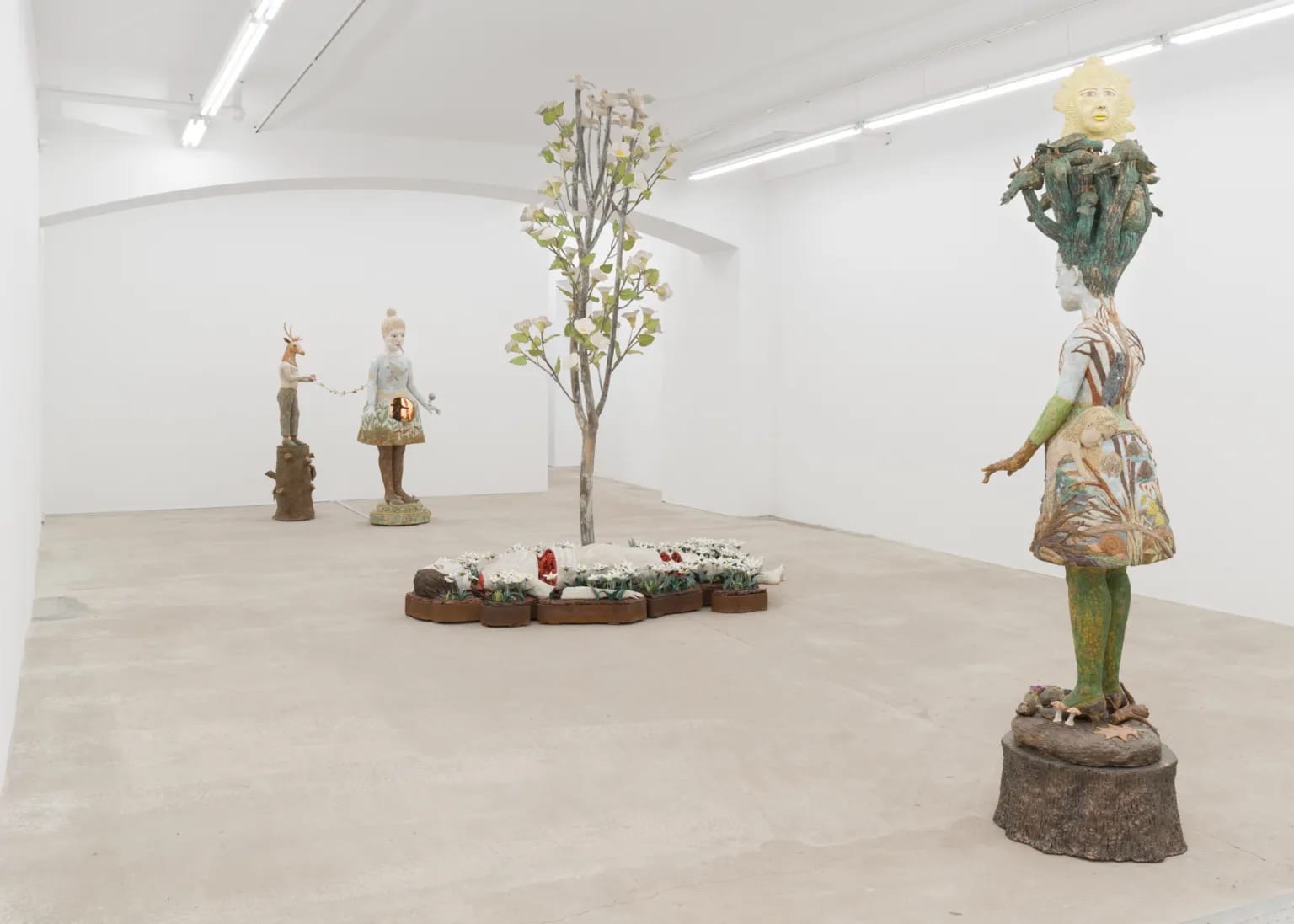
A decade, then a door
When the lights went out at Lyles & King on 20 June 2026, the Lower East Side lost more than a single address. The gallery, founded in 2015 by Samara Williamson and Joeonna Bellorado-Jones, had spent ten years giving early platforms to a generation of American and diaspora artists — many of them Black, brown, or working outside the established gallery system. Its closing show, "We'll see what happens," ran until that final Saturday in June, per reporting published by ARTNEWS on 2 July 2026.
The gallery's principals framed the closure in practical terms. Rents on the Lower East Side have continued their long climb; mid-tier spaces without the brand recognition of the Upper East Side heavyweights have been squeezed for years. What makes Lyles & King's departure notable is less the financial arithmetic than the kind of work it championed, and what its absence signals about who gets to show art in New York in 2026.
The standard reading
The dominant framing is straightforward: galleries are closing, mid-market spaces are under pressure, and the Lower East Side is the latest casualty of a structural squeeze. The closure of Lyles & King slots neatly into a narrative about commercial real estate, post-pandemic foot traffic, and a market that has bifurcated between mega-galleries with global footprints and small project spaces operating on a wing and a prayer.
ARTNEWS's reporting on the closure sketches that picture without overstating it. The outlet notes that the gallery's final shows ended on 20 June and frames the closure as a transition rather than a collapse. There is no allegation of mismanagement, no bankruptcy filing, no dramatic rupture with artists. The principals described the decision as deliberate — a choice to wind down rather than an involuntary exit.
The counterweight
There is a less comfortable read sitting underneath the press release language. The Lower East Side gallery scene has, for the better part of two decades, served as the on-ramp for artists who did not fit the commercial logic of Chelsea or the uptown establishment. Spaces like Lyles & King took bets on practices that did not yet have auction records, that were not yet legible to the international art-fair circuit, and that often belonged to demographics historically excluded from those systems. When a gallery of that profile closes and is not visibly replaced, the pipeline narrows.
The structural issue is not that galleries fail — businesses fail all the time, including in the art world. It is that the failure is not random. It tracks with the kind of work shown and the kind of artist served. A gallery that consistently platformed Black artists, women artists, and artists working outside the dominant Western canon is harder to sustain in a market that prices scarcity by auction history than one that shows work already inside the established canon.
The frame, plainly
What we are watching is a familiar pattern in the cultural economy. Capital concentrates upstream — at the mega-gallery tier, at the art fair, at the auction house — and the mid-tier, where the actual risk-taking happens, gets hollowed out. The work that the mid-tier supports is the work that eventually feeds the upstream, often at a fraction of the price the upstream will eventually charge. When the mid-tier thins, the upstream's pipeline thins with it, though the consequences take years to register at the auction level.
This is not a uniquely American story. Galleries in Berlin, London, and Mexico City have reported similar squeezes in the last two years, with commercial real estate pressure and the post-pandemic shift in collector behaviour cited as proximate causes. The pattern is global, even if the specific geography — the Lower East Side — has its own local texture.
The stakes
For New York's claim to be a global art capital, the closing of Lyles & King is more than symbolic. The Lower East Side's identity as a place where emerging and historically excluded practices could find a commercial footing has been a load-bearing part of that claim for two decades. If mid-tier spaces continue to close at this pace without a comparable cohort replacing them, the city's art economy becomes more stratified — and the work that does not already fit the upstream logic has fewer places to land.
For artists, the practical stakes are concrete: fewer first-show opportunities in New York, more pressure to align early work with collector expectations rather than with the slower arc of a developing practice. For collectors, the consequence will eventually show up at the upper end of the market, where the pipeline that once fed surprise and discovery has been thinned.
What remains uncertain
The sources do not specify the precise financial terms of the closure — whether the principals plan to relaunch elsewhere, whether the gallery's roster of artists has been absorbed by other spaces, or whether the physical address will be taken by another gallery in the same idiom. ARTNEWS's reporting frames the closure as a transition, but the direction of that transition is not yet on the record.
It is also unclear whether Lyles & King's exit is part of a broader wave or a single decision by two principals with a clear sense of when to stop. The Lower East Side still has project spaces and small galleries operating; whether they absorb the demand that Lyles & King met, or whether that demand migrates elsewhere or simply contracts, is the question that the next two years will answer.
Desk note: Monexus covered this as a structural story about the mid-tier gallery economy rather than a single-business obituary. The closure is treated as evidence of a pattern, with the counterweight — what the gallery actually did for the artists it showed — given equal weight to the financial explanation.