‘Peluru Senja: The Ghost & the Gun’ Locks Independence Day Weekend Slot in Malaysia
A new war drama timed to Malaysia’s 2026 Independence Day weekend has dropped its first trailer. The release slot says as much about regional cinema’s appetite for historical reflection as it does about the film itself.
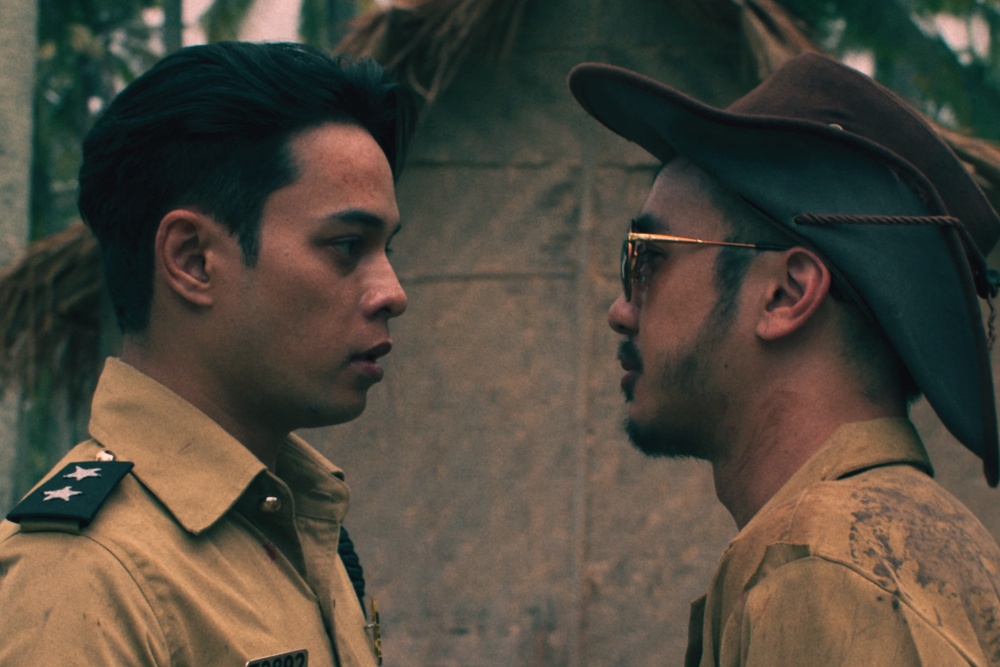
War films have a peculiar way of arriving on national calendars: released into the days a state has set aside to celebrate itself, they tend to be read twice — once as cinema, once as commentary. On 3 July 2026, Variety reported that “Peluru Senja: The Ghost & the Gun,” a new war drama, has confirmed a nationwide Malaysian theatrical release on 28 August 2026, timed to the country’s Independence Day weekend. The first trailer has arrived alongside the date. It is the kind of scheduling decision that converts a film release into a civic event.
The pairing is deliberate. Independence Day weekend in Malaysia, falling on 31 August, has become one of the most reliable release windows in the local exhibition calendar — a slot distributors reserve for projects that want patriotic tailwinds and audiences primed for communal viewing. For a war drama to claim it suggests the film intends its combat sequences to land in the same emotional register as the merdeka commemorations that surround it.
What the trailer sets up
The promotional materials released by the production mark the film as a war drama in the regional mould, drawing on the period of confrontation that preceded and followed Malayan independence in 1957. The title’s imagery — a dusk-coloured bullet, a ghost, a gun — leans on a visual vocabulary familiar to Southeast Asian post-war cinema, where the line between combatant and civilian is rarely clean. Variety’s exclusive framing positions the film as a project built around the moral residue of that period rather than around action set-pieces.
The choice of 28 August, a Friday three days before the official merdeka holiday, is the standard pre-weekend positioning distributors use to capture both pre-holiday ticket-buyers and the longer Independence Day week. It also places the film in a congested corridor of releases; the trailer drop, three months ahead of opening, is the conventional lead time for a domestic feature targeting the late-August window.
A release slot as an editorial decision
The Independence Day weekend has long functioned as a soft barometer for what Malaysian cinema wants to say about itself in a given year. A romantic comedy in that slot reads as escapist counter-programming. A biopic of a national hero reads as homage. A war drama reads as a deliberate invitation to revisit a contested chapter, framed inside a holiday built around national consolidation. The producers of “Peluru Senja” are betting that the audience for that combination has grown rather than shrunk.
That is a contestable bet. Malaysian war cinema has a thin commercial track record outside the festival circuit; the audience for period conflict drama in the country skews older and more festival-attentive than the broad merdeka-weekend crowd that delivers opening-weekend grosses. But the production’s confidence in the slot also signals a calculation that patriotic timing can do the work that marketing budgets often cannot — a bet that the film’s themes will compound, rather than compete with, the holiday’s.
Regional cinema and the long tail of the Emergency
The Malayan Emergency of 1948–1960 and the broader confrontation that produced independent Malaysia in 1957 have been intermittently productive subject matter for Malaysian and Singaporean filmmakers. The insurgent war, the Briggs Plan’s resettlement of rural Chinese-Malaysian communities, the final defeat of the communist insurgency, and the Japanese wartime occupation that preceded it have all returned to the screen in waves, usually when a generational shift reopens questions about which communities were on which side of which line.
What is notable about a 2026 release is less the subject than the audience. Younger Malaysian viewers, several surveys have suggested, are more receptive to historical revisionism on screen than their parents were, in part because the emotional distance from the Emergency has grown long enough to permit a more analytical tone. A war drama that lands in the Independence Day window, with a title that names violence and the dead in the same breath, is speaking to that audience as much as to the country at large.
What the next three months will tell us
Between now and 28 August, the production will be doing the conventional pre-release work: festival submissions, press junkets, and a likely social-media rollout keyed to the trailer. The film’s commercial fate will hinge on three variables that no trailer can settle — word of mouth after the first weekend, the extent to which the patriotic tailwind translates into multiplex attendance, and whether critical reception frames the film as historical reckoning or as a more cautious piece of period reconstruction. The sources reporting the release do not specify the budget, distributor, or principal cast attachments, and that information gap will be filled one way or another before opening.
What is already clear is that the film’s release is itself a kind of statement. In a regional cinema market still dominated by Indonesian, Thai, and Korean imports at the multiplex, a domestic war drama claiming the prime national-holiday slot is a confident move. Whether the audience agrees, and whether the film can sustain a second-week run, will be the measure of how seriously Malaysian viewers are ready to take the period on screen.
This publication treats the release date as confirmed by trade reporting and the production’s own trailer release; the trailer is the primary verifiable artefact at this stage. Distribution details, casting, and the production company are not specified in the available sourcing and will be updated as those become public.