Ronaldo's tears, Diogo Jota's shadow, and the question Portugal didn't want to ask
A 2-1 comeback win over Croatia secured Portugal's place in the World Cup round of 16 — and a tearful tribute to the late Diogo Jota briefly turned the story into something larger than tactics.
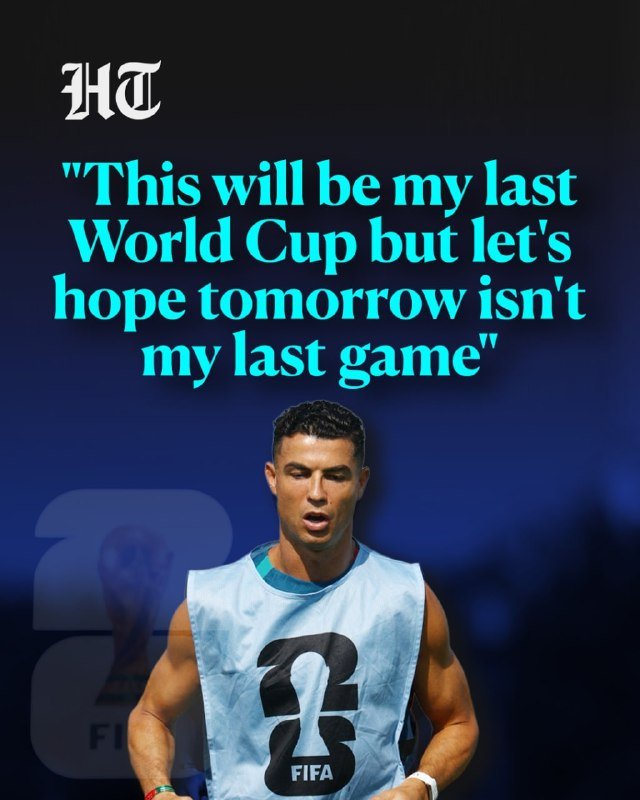
It was, by the standards of a knockout-stage audition, a deeply strange night. On 2 July 2026, Portugal trailed Croatia inside the second half, then equalised through a Cristiano Ronaldo penalty in the 68th minute, then rode a Gonçalo Ramos header to a 2-1 comeback win that booked a place in the round of 16 of the World Cup. The football was loud enough on its own. The cameras, though, kept finding the captain. Ronaldo, in tears at the full-time whistle, raised a Portugal shirt bearing the name of Diogo Jota — the Liverpool forward whose death has cast a long shadow over the sport in recent weeks — and the broadcast cut between the gesture and the stadium's muted applause.
Strip the choreography away and the result is what matters. Portugal had been second best for long stretches, conceded first in the 57th minute, and then found two answers in a fifteen-minute window: a spot-kick, a header off the bench, and a round-of-16 ticket. The Indian Express's match report, published in the early hours of 3 July, called it a "rebirth" for Ronaldo; The Spectator Index's running live updates frame the same sequence as a regulation, almost mundane, comeback win. Both readings are true. Neither is the whole story.
The goals were the easy part
Croatia did what elite Croatia tends to do: they compressed the game, denied Portugal the midfield pockets, and waited for a moment. They got it in the 57th minute, the kind of goal that, on another night, is the last act rather than a footnote. Then Ronaldo went down in the area, the penalty was given, VAR did its procedural work, and the captain stepped up. He did not shank it. He did not celebrate extravagantly. He scored, pointed briefly at the bench, and waited for the second act.
Ramos, introduced as a substitute, provided it with a header that the Indian Express's reporting describes in terms usually reserved for forwards half his age. Portugal were level, then ahead, then through. The tactical reading is straightforward: Roberto Martínez's side absorbed pressure they had not faced in the group stage, and their depth — the bench, the set-piece threat, the obvious reference point up front — was the difference.
The tribute is the harder story to tell
What the touchline cameras caught afterwards is what will travel. Ronaldo's shirt-raise to Jota, and the visible emotion that followed, sits inside a grief that the football media has been navigating with varying degrees of restraint since news of the forward's death first broke. The Indian Express filed a separate piece on the tribute; the image has been re-broadcast across European outlets; the symbolism has been decoded in advance. A 41-year-old icon, at what is very likely his last World Cup, pointing to a dead teammate rather than to the crowd is a photograph that will not age quickly.
This publication finds the moment worth marking without overstating it. Jota was a Portuguese international with a Premier League-winning résumé, and the squad's mourning is not performance. But there is also a pattern worth naming: the modern game has learned to convert private grief into public broadcast, and the appetite for the footage is genuine rather than manufactured. The cameras were not intrusive; they were where the story was.
The structural point nobody wants to make
Portugal are a country that has spent fifteen years refusing to plan for a life after Ronaldo. The complaint, when it surfaces in Portuguese sports press, is that the national team has built its identity around one player's availability and one player's moods. Wednesday night's win both validates and complicates that complaint. Ronaldo converted when he was given the chance. Ramos, a younger profile, decided the match from the bench. Martínez now has a tactical lever his predecessors did not: the option to bring on a forward who actually changes the game.
Whether Martínez trusts that lever earlier in a knockout game, against a side that will not gift Portugal 70 minutes of possession, is the question that the Croatia match papered over rather than answered. The easy answer is that Portugal's depth won it. The harder answer is that the depth was only required because the opening hour looked, at times, like the team Ronaldo has been carrying for a decade.
The other side, briefly
Croatia, for the second consecutive major tournament, are likely going home earlier than the squad's age curve suggests they should. Their press, by long custom, treats the national team as a moral project as much as a sporting one. A 1-0 lead against Portugal, in a World Cup group finale, is the kind of result that older readers will be tempted to over-read in either direction. The honest read is narrower: they were good for an hour, were made to pay for the hour they were not, and exit with their reputation for organisation intact. The Indian Express's reporting describes the match as a "comeback" rather than a Croatian collapse, and that framing is the more accurate of the two.
The counter-argument — that Croatia, on balance, matched Portugal for long spells and were undone by a refereeing decision and a moment of individual quality from a substitute — also has standing. VAR's intervention, whether or not the original contact warranted a penalty, is the kind of marginal call that decides matches at this level. Portugal are through; Croatia are not. The margin between the two was thinner than the scoreline suggests, and the bracket Portugal now enter is harder than the one they have just survived.
Stakes, and what remains uncertain
The round of 16 is where World Cups are won and lost, and Portugal's draw will be set by the conclusion of the remaining group fixtures. The sources available at the time of writing do not specify the opponent, the venue, or the kickoff time; those details will firm up over the next 48 hours. What is firm is the shape of the question Portugal carry into the knockout rounds: whether the Ronaldo show, with all its attendant emotion and symbolism, can also be a winning team, or whether the cameo in the 68th minute and the header in the 73rd are the template they will need to repeat against opponents who do not give them the same room.
The Jota tribute will dominate the next news cycle. It should not be allowed to crowd out the tactical point. Portugal's depth won the match. Ronaldo's nerve kept them in it. The combination is what Martínez will need again, and soon.
This publication framed the Croatia result as a tactical test passed rather than a coronation. The wire consensus leaned toward the tribute. Both are accurate; only one is durable.
Wire provenance
This editorial synthesis draws on the following public wire/social posts:
- https://t.me/spectatorindex/BREAKING-Portugal-1-1-Croatia-68
- https://t.me/spectatorindex/BREAKING-Croatia-1-0-Portugal-57