Cape Verde push Argentina to the brink before Romero settles a World Cup classic in extra time
A two-goal comeback from Cape Verde forced extra time in the World Cup round of 16 before Cristian Romero's deflected header sent Argentina through 3-2.
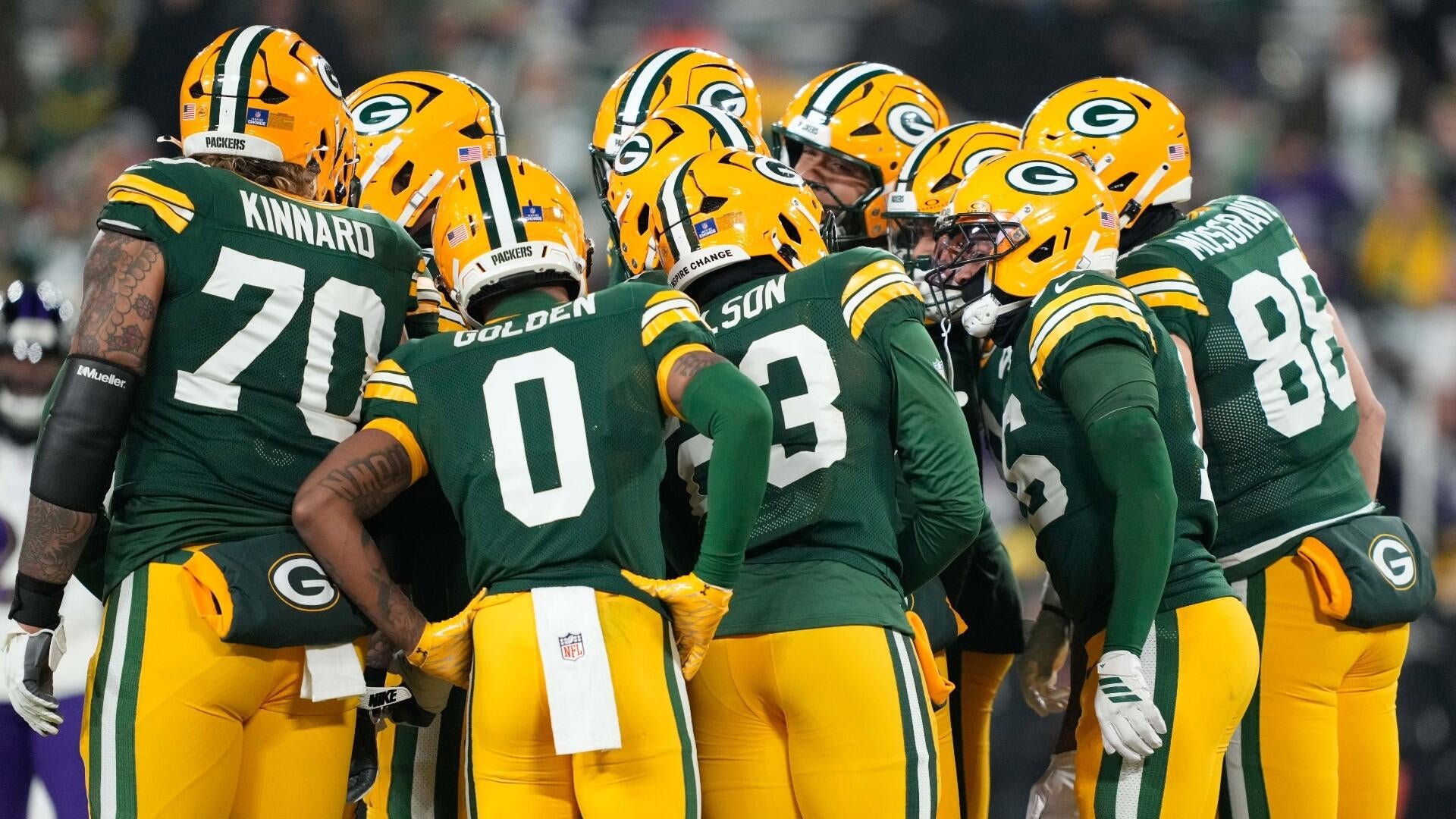
At full time in the World Cup round of 16 on 3 July 2026, the most decorated footballing nation of the 21st century stood four minutes from elimination. Argentina had conceded twice to a Cape Verde side ranked outside the top 30 in the world, and the small island nation of roughly 600,000 people had dragged the holders into extra time at a tournament that, on this evidence, refuses to follow form. Cristian Romero's deflected header finally settled it, 3-2 to Argentina, but the scoreline flatters the favourites. The story of the night belonged equally to the team that nearly did not lose.
The structural lesson is straightforward. The gap between football's elite and its chasing pack has narrowed to the point where any side with organisation, pace and a coherent plan can stretch a superpower across 120 minutes. Argentina came through. That is the only fact that will register in the record books. The manner in which they came through, however, deserves more than a footnote.
A scare, then a setback
Argentina had looked in control through the early exchanges and went ahead thanks to a deflected effort, only for Cape Verde to recover their shape and punish the space behind the South American defence. The pattern was set inside the first hour: a Cape Verde equaliser, then a sustained spell of pressure that forced Argentina into the kind of hurried distribution more typical of the group stages than the knockout rounds. By the time the second Cape Verde goal arrived in extra time, a competition that had begun as a procession for the holders had become a survival exercise.
The second goal, a long-range strike from Sidny Cabral that bent past the Argentina goalkeeper, was the moment the stadium, and probably much of the viewing public, recalibrated. If Argentina had been treating this as a routine path to the quarters, that was the minute they stopped. Romero's response, a centre-back rising above his marker at a set piece, was the most Argentine kind of answer: unglamorous, contested, and consequential.
What the numbers say, and what they do not
Cape Verde arrived at this tournament with a squad built largely from players at mid-tier European clubs and a tiny expatriate base scattered across Portugal, France and the Netherlands. Their run to the knockout stages had already been the story of the competition's group phase, and on this showing it was no anomaly. They pressed higher than Argentina could comfortably play through, they doubled up on the wide attackers, and they forced the favourites into clearances rather than possessions.
Argentina's own metrics will flatter them. Possession, completed passes, shots on target: the kind of numbers that usually correlate with comfort. None of those captured how often Cape Verde intercepted in advanced areas, or how routinely the Argentina midfield gave the ball back within four seconds of winning it. The game was closer than the standard dashboard would suggest, and Cape Verde's coaches will take encouragement from the architecture of the performance even if the scoreline took them out of the tournament.
Why this is the World Cup pattern, not the exception
The men's World Cup has trended, across its last three editions, toward the kind of one-goal margins and extra-time finishes that used to define the later stages and now define the group phase. Smaller footballing nations travel with better-prepared squads, more sophisticated analysts and players who have grown up under the tactical footprint of the European leagues. Cape Verde's equaliser was the product of a pre-planned press trigger; Cabral's strike was the product of a player comfortable receiving under pressure and finishing from distance. None of that is accidental, and none of it required a famous academy.
Argentina's response carried its own logic. When the technical superiority of the favourites is neutralised, knockout football usually returns to set pieces, individual duels and goalkeeping. Romero's goal came from a corner. The save that preserved Argentina's lead shortly afterwards came from a reflex stop rather than a tactical plan. Elite teams do not always need to be better than the opposition; they need to be better in two or three decisive moments. Argentina were that, on this occasion, and just barely.
Markets, narratives, and what comes next
Even before kick-off, the fixture had attracted an unusual amount of off-pitch attention: a prediction market on Polymarket asking what the broadcast announcers would say during the match had been published on 3 July 2026, the kind of novelty contract that signals how thoroughly the betting ecosystem now treats football as continuous content. The match itself, in retrospect, is what prediction markets are designed to price — a heavy favourite threatened enough to make a near-miss consequential, and a market move in the closing minutes that would have been sharp enough to register on any liquidity dashboard.
The forward view is narrower than the obvious headlines suggest. Argentina advance, but they advance with questions. The midfield looked short of control, the full-backs were exposed in transition, and Romero's goal papers over a defensive showing that conceded two to a side with far fewer resources. Cape Verde go home having announced themselves on the biggest stage, and they do so without a defeat in regulation time. That is the kind of exit that changes a federation's budget cycle, attracts a better cohort of dual-national recruits, and resets expectations inside the dressing room for the next cycle.
What remains genuinely uncertain is whether Argentina can reset the structure of the team in time for a quarter-final that, on current form, will not be any easier. The holders did what holders do. It should not be confused with what the holders usually look like.
Desk note: Monexus framed this match around the structural narrowing of the men's World Cup — not the "upset" frame most wires used — because the Group-phase scorelines at this tournament have already established that the gap is closing. The Polymarket contract is cited for what it tells us about how the betting ecosystem now treats football coverage, not as a tipping signal.