Cape Verde push Argentina to the brink in Miami before La Albiceleste squeeze through
The defending champions trailed a Cape Verde side playing 4,000 miles from home, then Lisandro Martínez restored order in a 3-2 win that exposed both Argentina's fragility and the island nation's growing football maturity.
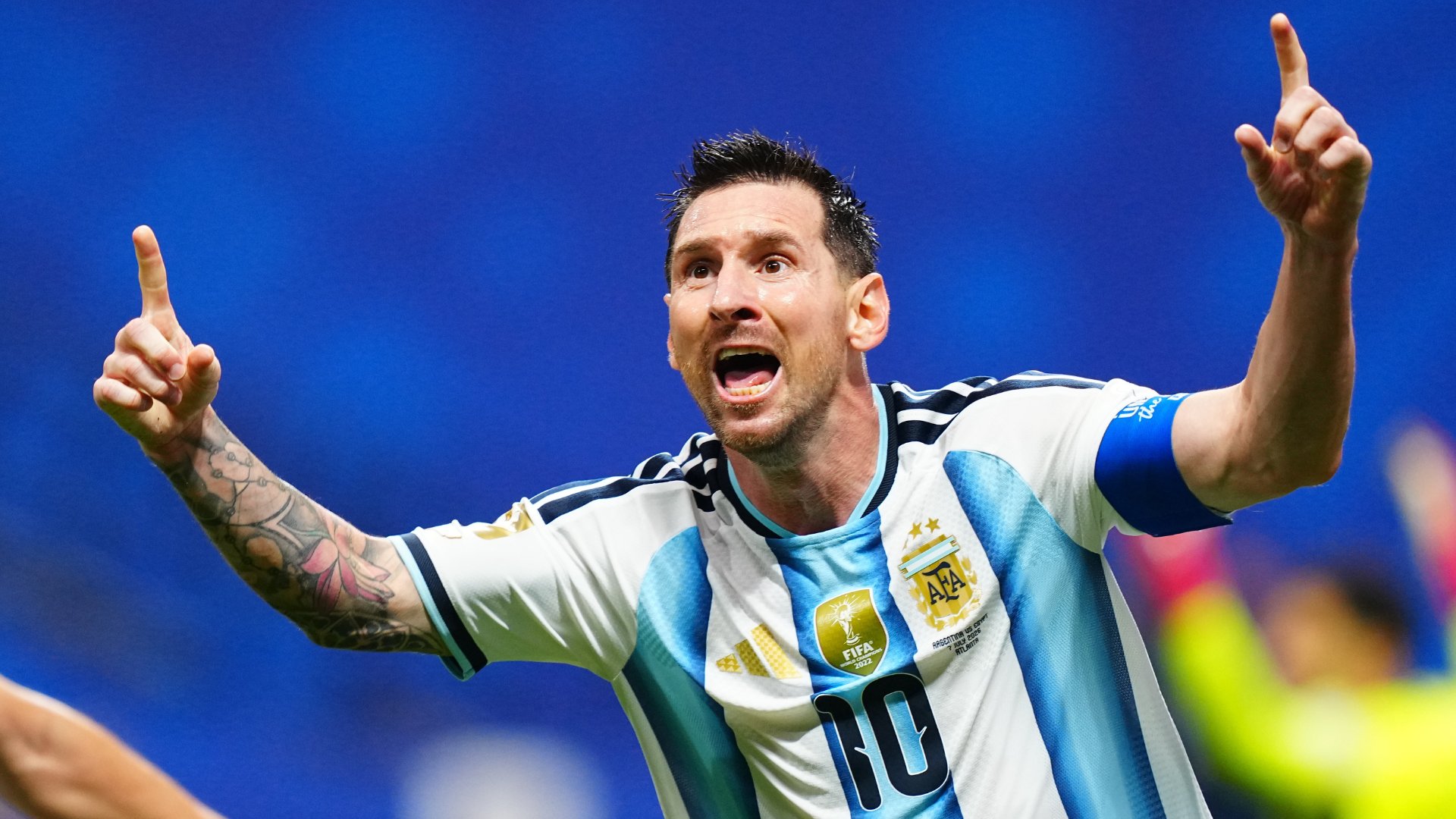
MIAMI — The defending champions spent most of the first half looking like a side that had read its own clippings. By the 75th minute at a sun-flat Hard Rock Stadium, Argentina trailed Cape Verde 2-1 in a World Cup round-of-32 tie that, on paper, should never have been close, and the broadcast cameras kept cutting to Lionel Messi standing with his hands on his hips, studying the play the way a bank manager studies a bad quarter.
What followed was a reminder of why Argentina arrived in the United States as holders rather than also-rans. Lisandro Martínez restored the lead in the closing stages and Argentina closed out a 3-2 win that ended Cape Verde's tournament but, more honestly, vindicated it. A nation of roughly 600,000 people, 4,000 miles from Miami, took the world champions to the wire and forced them to play their best football only when the alternative was elimination.
A lead that did not survive
The structure of the night was set early. Argentina pressed high, controlled possession and created the kind of chances that historically convert into comfortable nights — and Cape Verde absorbed all of it. The equaliser that stunned the Argentine bench came from Deroy Duarte, who finished a move the live BBC Sport feed described as leaving the holders flat-footed. According to Transfermarkt's live wire, Argentina's eventual 3-2 scoreline obscured how much of the match was spent chasing parity rather than managing it. Messi was the constant reference point for both teams' transitions — every Argentine attack ran through him, every Cape Verde counter seemed calibrated to deny him the ball first.
The pattern matters more than the final score. Cape Verde did not park a bus; they pressed in sequences, won second balls and forced Argentina into rushed vertical passes. By the hour mark the ESPN liveblog showed Argentina's back line retreating five yards deeper than their average position in the group stage. Tactical adjustment, not miracle, kept Cape Verde in the game.
The counter-read: respect, not romance
The temptation in a result like this is to reach for the upset-of-the-tournament framing and leave it there. That reading understates Cape Verde's case. The Blue Sharks arrived in the United States having qualified from a group containing Egypt and Ghana, with a squad built almost entirely from players at Portuguese, French and Dutch mid-table clubs. Head coach Pedro Leitão has spent the cycle installing a defensive block that concedes the middle third and dares opponents to break it down through the flanks — a tactical posture that, against Argentina's ageing midfield, exposed the space behind the centre-backs more often than the holders would have liked.
The alternative framing — that Cape Verde rode hot finishing and Argentine complacency — is not wrong, but it is incomplete. Argentina created fewer clear chances per sequence in this match than in any of their group-stage fixtures. The defending champions required a moment of individual quality from Martínez to re-establish control. Cape Verde did not lose this match so much as fail to convert the pressure they had already earned.
Why the structural read favours Argentina — but only just
The deeper pattern is familiar from previous World Cups: a squad built around a 38-year-old Messi cannot dominate possession the way it did in 2022, because the surrounding press has structurally deteriorated. Rodrigo De Paul and Alexis Mac Allister are excellent players but neither closes the channels Messi once ran through with Ángel Di María in support. The team's defensive line, anchored by Martínez and Cristian Romero, is now its most reliable phase of play — a reversal from the side that conceded three against Saudi Arabia four years ago in Lusail.
That inversion is what kept Argentina alive on Friday. When the midfield stopped winning the ball back, the centre-backs did. When the forwards ran out of ideas, set-pieces and Martínez's late run delivered. The model is closer to the 2014 Germany than the 2022 Argentina: win the duels, concede nothing stupid, trust one moment of quality to settle the tie. It is a viable model for a knockout run, but it leaves very little margin.
Stakes for both sides going forward
For Argentina, the immediate question is the quarter-final opponent and the condition of a squad that has now played four matches in 18 days. The win extends their unbeaten knockout record at this tournament, but does not answer the underlying question of where the goals come from when Messi is marked out of the match. Lautaro Martínez's introduction off the bench changed the geometry of Cape Verde's block; whether Scaloni starts him in the next round is now the most consequential selection decision of the tournament for the holders.
For Cape Verde, the elimination is the end of a campaign rather than the end of a project. Seven of the starting XI are 25 or younger; the spine of the side — Vozinha in goal, Lopes and Varela at the back, Duarte in midfield — will be available for the 2030 cycle, by which point several will be at clubs in the European top five rather than the second tier. The structural constraint remains the same: a federation drawing on a diaspora in Lisbon, Paris and Rotterdam must beat out richer neighbours to African qualification. What this tournament proved is that the ceiling is higher than the bracket suggested.
What remains uncertain
The sources for this match do not specify the exact minute of Martínez's go-ahead goal or the identity of Argentina's other scorers beyond Messi; live coverage from BBC Sport and Transfermarkt focused on the lead changes rather than a full chronological log. Details on injury status, yellow-card accumulation and the precise tactical switch Scaloni made at half-time were not contained in the wire material available at the time of writing. A fuller picture will emerge once post-match press conferences and full match statistics are published in the next 24 hours.
Desk note: Monexus has framed this around the structural shape of both squads rather than the upset headline, on the view that a 3-2 scoreline tells the reader less than what both teams did to produce it.
Wire provenance
This editorial synthesis draws on the following public wire/social posts:
- https://t.me/transfermarkt