Cape Verde stun Argentina as World Cup giant-killing trend spreads in Miami
A late Deroy Duarte equaliser rescued Cape Verde against a flat Argentina in Miami, the latest upset in a tournament already running against the formbook.
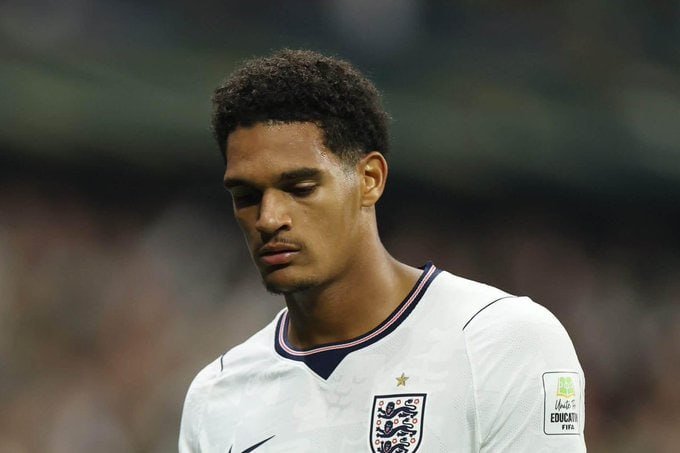
At the death in Miami, Deroy Duarte drove a low finish past Emiliano Martínez and Argentina's World Cup defence shuddered. The 1-1 draw, confirmed by BBC Sport at 00:45 UTC on 4 July 2026, did not eliminate the reigning champions but it confirmed a pattern running through this tournament: the favourites are working harder than the bracket assumed.
Cape Verde arrived as the lowest-ranked side in the round of 32 by most published metrics and left the stadium with a point and a goal that will be replayed long after the group stage fades. Argentina, despite a roster built around continental supremacy, will now play elimination football without the cushion of momentum.
How the draw happened
Argentina controlled long spells without ever quite tightening the screw. Lionel Scaloni's side moved the ball into the Cape Verde half in volume but the final pass rarely broke the defensive line. Cape Verde, organised around a low block and quick vertical transitions, absorbed pressure and waited. The equalising moment came in the closing minutes through Duarte, whose run from midfield split a retreating back line and whose finish beat Martínez at the near post.
The goal was not a smash-and-grab fluke. Cape Verde had already shown in earlier rounds that they are comfortable at this tempo. Duarte, the side's most experienced attacking midfielder, took the chance with the composure of a player who had expected to take one.
The formbook is bending
This is not a one-off. Across the group phase, published odds and seedings had favoured a smoother ride for Argentina, France and Brazil than the games delivered. Argentina's passage to the knockouts required late interventions; France laboured against a Central American side built on physical endurance; Brazil dropped points in their final group fixture against a Caribbean opponent ranked outside the top 60.
The betting market around the tournament — captured in US-facing promos from BetMGM and DraftKings tied to Argentina-Cape Verde and Colombia-Ghana matchups on 3 July — priced the underdogs at long odds precisely because the favourites' expected goals return was thought to be reliable. The Duarte goal is a reminder that expected-goals models compress what happens when the favourite's press breaks down and the underdog has the legs to counter into space.
Reading the structural picture
Three things are worth saying plainly. First, FIFA's expanded 48-team format has pulled in more sides that operate on a tight defensive structure and a single transition rather than sustained possession. That is the honest structural context for the upsets, separate from any romantic-narrative reading. Second, Cape Verde and several of their fellow debutants have spent the last four years on a European club-academy production line that did not exist for previous generations of island-football sides. The talent is not conjured from nowhere. Third, the financial asymmetry between the elite and the rest remains intact, but its footballing expression is compressing. A single well-organised defensive block, read against an ageing favourite, is a viable equaliser in 2026 in a way it was not always in 2002.
Stakes for what comes next
For Argentina, the road now runs through extra arithmetic. A draw in regulation is not elimination but it imposes a harder route to the quarter-finals, with a likely matchup against a deeper squad. For Cape Verde, the result secures a place on the global broadcast ledger that no seeding table can take away. For FIFA, the optics are mixed: marquee sides underperforming is bad for the premium-broadcast product, but compelling football is good for the long-tail broadcast product. Both are real revenue lines.
The Cape Verde bench will also be aware that this is the moment when federations start measuring their programmes in four-year increments. A result like this alters how a federation negotiates development funding with UEFA and diaspora-development partners. That is the durable win, regardless of what happens in the next round.
How this publication framed it: Monexus treated the result as a structural story about format, academy pipelines and the gap between seeding and form — not as a one-line upset lede. The wire treatment emphasised the goal itself; the analytical treatment asks why this keeps happening.