Jesse Eisenberg Draws a Line at Zuckerberg: Why Actors Are Renouncing the Tech Titans They Once Played
At Karlovy Vary, the actor who defined a generation's image of Facebook's founder said he will not return to the role. The remark lands inside a wider Hollywood reassessment of the men who built the platforms.
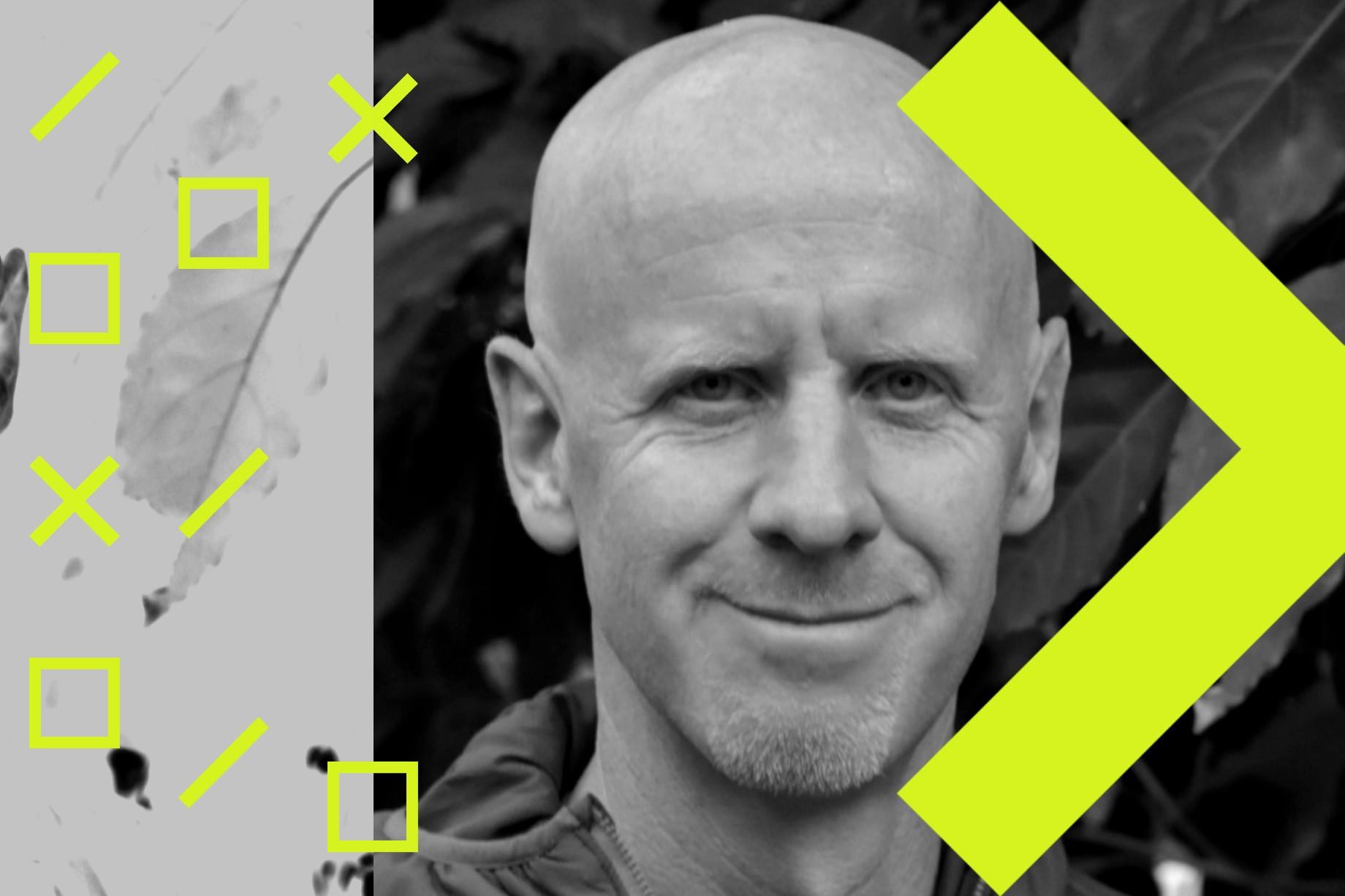
On 4 July 2026, at the Karlovy Vary International Film Festival in the Czech Republic, Jesse Eisenberg collected the festival's President's Award and used the spotlight to settle an old score. The actor who, in 2010, gave the screen its defining Mark Zuckerberg in David Fincher's The Social Network told reporters that he would not return to the role in the sequel Aaron Sorkin is preparing — and that the refusal was less about scheduling than about moral disavowal. "I don't want to be associated with him," Eisenberg said, according to Variety's dispatch from the festival. "If this guy is the creator of this world, I don't want to live in that world."
Eisenberg's rebuke is a small news item with an outsized payload. For more than a decade, the actor and the Silicon Valley founder have been fused in public memory: the hoodie, the "final club," the depositions. By walking away from the role and naming the reason, Eisenberg is putting a finer point on a renegotiation that has been underway in Hollywood for some time — the slow separation of artist from subject, and the recognition that playing a powerful man is not the same as endorsing him.
The sequel that may not need him
Aaron Sorkin, who wrote the original screenplay and is attached to direct the follow-up, has framed the new film as a continuation of the Facebook story rather than a victory lap. The project has circulated in the trade press for years without a green light. Eisenberg's comments confirm one structural fact: the actor who originated the part will not be on set. That places the burden on Sorkin either to recast — a near-taboo in prestige cinema — or to build the film around a younger Zuckerberg and a new ensemble. Either choice reorders the film's centre of gravity.
Variety's reporting does not specify the stage of pre-production or whether Sorkin has publicly responded to the remarks. What is on the record is Eisenberg's posture: a clean break, delivered with the cadence of someone who has had fifteen years to think about the role.
A pattern of disavowal
Eisenberg is the highest-profile example of a wider pattern. Over the past several years, actors who became synonymous with tech-era figures — the founders, the visionaries, the operators — have grown visibly uncomfortable with the inheritance. Some have declined reunion tours; others have spoken openly about the moral price of giving a face to a worldview they now reject. The motivations are mixed. Vanity-project sequels are an easy target. So is the more substantive worry that early-2010s cinema, with its flat-affect founders and disruption rhetoric, supplied the myth-making apparatus for a decade that has since curdled in public opinion.
The structural point is worth stating plainly: the prestige film of the 2010s was disproportionately interested in powerful men, and disproportionately forgiving of them on screen. The Social Network itself was sharper than most — Sorkin's screenplay is a study in resentment as much as genius — but it still ended with Zuckerberg sending a friend request to the ex he had wronged. The ambiguity was the point. Sixteen years later, with congressional hearings, a renamed parent company, and a generation of teenagers shaped by the product's attention economy, the ambiguity reads differently.
What this says about the platform era
Eisenberg's remark also indexes a shift in how the cultural class talks about Silicon Valley. The early framing — the founder as misunderstood genius, the garage as secular chapel — has lost its grip. The replacement is not yet a settled narrative; it is a muddle of regulatory anxiety, internal-whistleblower memoirs, and the slow public reckoning with what the platforms have done to civic life. Eisenberg's "I don't want to live in that world" is a vernacular version of that reckoning: the actor as conscientious objector, refusing to lend his face to a sequel he no longer believes in.
The same current runs through commentary about AI labs, crypto exchanges, and the new wave of founder-celebrities who have replaced the social-media cohort in the magazines. Hollywood's relationship to its muses is no longer one of awed reproduction. It is increasingly one of armed neutrality.
The stakes for prestige cinema
For studios, the practical question is whether audiences will pay to watch a film whose lead actor has publicly dissociated from the project before cameras rolled. Recasting invites comparison; rewriting invites accusations of cowardice. The cleanest exit is the one Eisenberg appears to favour — let the role go, let someone else carry the weight, and let the original performance stand as a fixed artefact of an earlier cultural moment.
The longer stakes are about who gets to define the founders of the platform era in the permanent record. Books, documentaries, and the inevitable limited series will compete with the films. Eisenberg's withdrawal is a reminder that actors are not neutral vessels; they make choices about whose biographies they are willing to keep telling. When enough of them decline, the story changes shape.
A desk note: where wire coverage led with the award itself, Monexus centred Eisenberg's refusal — the part of the remarks that actually moves the news cycle. The Karlovy Vary honour is the occasion; the dissociation is the story.
Wire provenance
This editorial synthesis draws on the following public wire/social posts:
- https://en.wikipedia.org/wiki/Karlovy_Vary_International_Film_Festival
- https://en.wikipedia.org/wiki/The_Social_Network
- https://en.wikipedia.org/wiki/Jesse_Eisenberg