Arthur Fery's Wimbledon odyssey: nosebleeds, five sets, and a fourth round that almost wasn't
A British wildcard, three nosebleeds, and a five-set comeback: how Arthur Fery fought his way into Wimbledon's last 16 and kept the home singles flag flying.
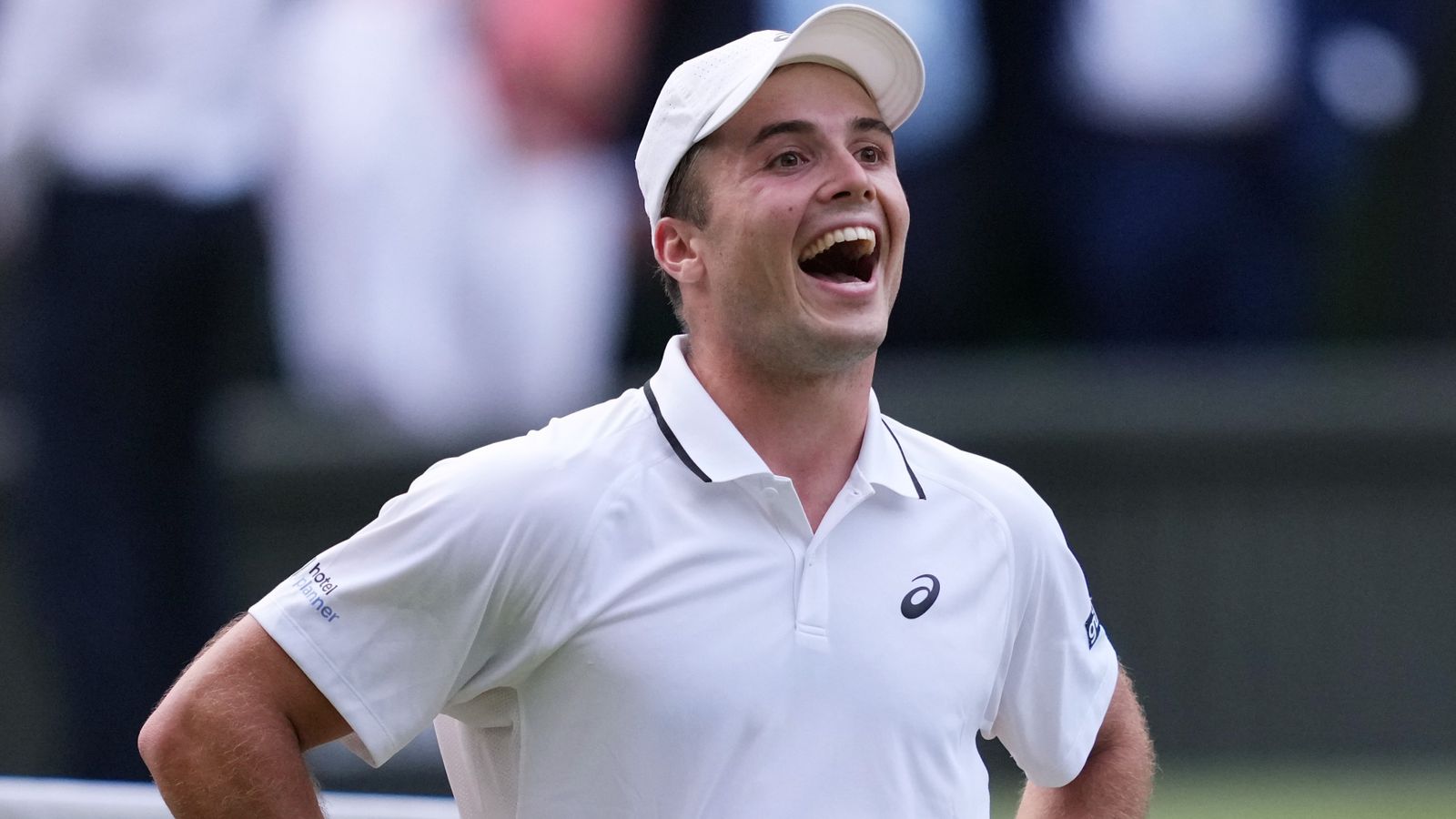
Arthur Fery needed five sets, three medical timeouts for nosebleeds, and the better part of four hours on Court 16 to do what no British wildcard had managed at Wimbledon in some time. By 18:50 UTC on 4 July 2026, the 24-year-old qualifier had beaten Zizou Bergs, the Eastbourne champion, to reach the fourth round of the Championships for the first time in his career.
It was, by any measure, a strange and durable afternoon of tennis. Fery's body kept interrupting the match; his game kept answering back. The story is more than a charmed British run — it is a reminder that the middle weekend of Wimbledon is, structurally, the moment when the draw loosens and the unseeded find room to breathe.
A comeback measured in set-by-set grit
Fery's win was not a single dramatic reversal. It was a series of small recoveries, each one demanded by a fresh disruption. According to BBC Sport's match report at 18:32 UTC, the London-born qualifier had to pause play repeatedly for treatment after losing the first set, with blood visible on the towel as the second set got under way. Sky Sports, reporting at 17:53 UTC, counted three separate nosebleed delays during the contest.
The shape of the match followed a familiar upset script: an early break, a brief Bergs consolidation, then a slow Fery fightback across the third and fourth sets before closing out the fifth. Bergs, fresh from winning the grass-court title at Eastbourne, will feel he let a winnable match slide; the Belgian had the cleaner ball-striking for long stretches but was repeatedly dragged into long rallies by a Fery who refused to shorten points. The final set, by every account, was tense enough to leave both players leaning on the net at the change of ends.
What stood out, in the players' own framing, was the physical oddity rather than the tennis itself. "It's unbelievable," Fery told BBC Sport at 18:50 UTC, when asked to describe the day. "It will take some time to really digest." The qualifier later acknowledged that the medical interruptions had broken his rhythm but credited the Wimbledon physio team and his own patience for keeping him in the match. The 24-year-old's previous best at a Grand Slam had been a third-round finish; this is, on paper, the deepest run of his career.
Why Bergs mattered more than the ranking suggested
It is tempting to read a wildcard win over a mid-tier seed as routine. It was not. Bergs arrived at SW19 with the most recent grass-court title on the ATP calendar, won at Eastbourne the week before. The Belgian had also taken a set off a top-ten player in the same tournament — the kind of form that turns early-round matches into genuine tests for anyone outside the top 30.
In that sense, Fery's victory sits inside a familiar Wimbledon pattern. The fortnight's middle weekend — the third and fourth rounds — is when the seeded field thins and the qualifiers and wildcards begin to overlap with tour regulars in form. Of the eight British players who started the singles draws, Fery is, after the fourth round, the last man standing. That fact alone will dominate the domestic sports pages on 5 July, regardless of what happens next.
The wildcard economics, briefly
A Wimbledon wildcard is not a gift; it is an entry into a market in which the wildcard-holder is, on paper, the inferior economic actor. Fery entered the men's draw as one of a small number of British recipients chosen by the All England Club, alongside other home-nation wildcards. The trade is reputational: a deep run converts a single tournament into ranking points, prize money, and the right to be considered for direct entry at future majors.
The economics of the run itself are more modest than the headlines suggest. Fourth-round prize money at Wimbledon is a flat six-figure payout, but the longer-term value is the boost to a ranking that, until this week, sat outside the cut-off for direct acceptance at most Masters events. For Fery, who plays a Challenger-heavy schedule for most of the year, the four days at the All England Club will shape his 2026 second half more than any other result he could plausibly have produced.
What next, and what the wires still do not agree on
Fery's next opponent will be determined by the completion of the upper half of the draw later on 4 July and into the weekend. BBC Sport and Sky Sports, the two outlets that carried detailed match coverage on Friday afternoon, did not name a fourth-round opponent in their immediate post-match copy; that detail will follow once the relevant section of the draw plays out.
There are also small factual seams between the two main reports. Sky Sports frames the contest as a "stunning five-set victory" with the nosebleed delays as the headline detail; BBC Sport's lead is the comeback narrative and Fery's own quote about needing time to digest the result. Neither is wrong; they simply weight the same facts differently. For British sports pages used to home-favourite coverage, the framing gap is itself a story — one outlet foregrounding the spectacle, the other foregrounding the player.
The structural read is straightforward. Wimbledon 2026's fourth round will be contested by a mix of seeds and form players, and by one British wildcard whose path through the draw has been less about clean tennis and more about refusing to leave. That is, in the end, the kind of run the middle weekend of a Grand Slam is built for.
Desk note: Monexus treated the two wire reports as the primary factual base — match length, the nosebleed count, Fery's quote, and Bergs's Eastbourne form — and avoided speculating on the fourth-round opponent, which neither source named.