Lela Rochon on Closing 'The Chi': Nostalgia, Women-Led Stories and the End of a South-Side Saga
As 'The Chi' signs off after eight seasons, Lela Rochon reflects on the show's South Side legacy, the pull of nostalgia, and why Hollywood still under-produces women-led stories.
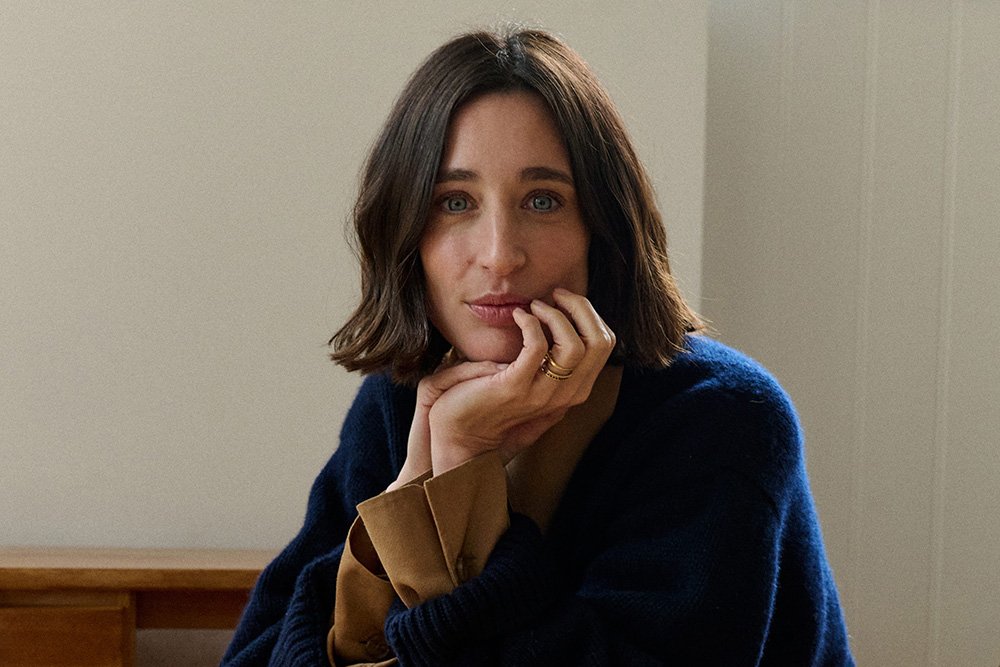
When Showtime announced in 2024 that "The Chi" would end with its eighth season, the news landed less as cancellation than as closure — a rare chance for a long-running Black ensemble drama to write its own ending. That ending began streaming on Paramount+ in early July 2026, and Lela Rochon, who plays Douda's mother Laverne in the series, is now in the awkward, sentimental work of saying goodbye. In a conversation with Variety published on 3 July 2026, Rochon called the final stretch "bittersweet," a word she uses to describe both the show and the audience it leaves behind.
The final season is, in effect, a referendum on what cable-era Black drama is for at a moment when the streaming wars have atomised the audience that once gathered weekly around shows like "The Chi," "Atlanta" and "Insecure." It is also a quiet argument for nostalgia as a creative resource, not a marketing crutch — and, in Rochon's telling, a reminder that the women who carry these stories are still being asked to fight for them.
A final season built on memory
Rochon's pitch for why the closing arc matters is plain: the show's South Side Chicago is "a place," and the eighth season treats it that way, returning to the blocks and barbershops and stoops that defined the series from the 2018 premiere. Variety's write-up describes the season as leaning into the texture of the neighbourhood — the regulars, the rituals, the small economies of care that survive the show's more melodramatic plot turns. For a viewer who arrived with the pilot and is leaving with the finale, the effect is closer to a homecoming than a resolution.
That framing matters for a show that has spent seven seasons straddling prestige drama and soap. Critics have long noted that "The Chi" alternates between politically awake storylines — policing, gentrification, queer Black manhood — and the propulsive plotting of a primetime serial. The final season, by Rochon's account, errs toward the former. She is selling nostalgia here, but it is nostalgia with a function: it gives an ensemble cast one last turn on familiar ground before the cameras go down.
The women who hold the frame
Rochon is unambiguous on a second point: she wants more women-led stories, and she does not think the industry has earned the right to call itself post-problem. Her argument, as paraphrased in the Variety interview, is structural rather than personal. The careers of Black women actors have always been more fragile than those of their male counterparts — fewer multi-cam vehicles, fewer sequels, fewer rooms. A prestige cable drama with a Black creator like Lena Waithe can change that for one show, for one run of seasons. It cannot change the underlying pipeline on its own.
That point lands harder because Rochon has the standing to make it. Her 1998 breakout in "Waiting to Exhale" and her run in the "Why Do Fools Fall in Love" era established her as a screen presence two decades before "The Chi" ever began casting. Her pivot into maternal and matriarch roles — including a long arc on the Starz drama "Power Book II: Ghost" — has been less a retreat than a re-pitching of what her career is for. The nostalgia she is selling for the show is, in part, nostalgia for the version of herself who arrived in Hollywood in the late 1990s and could still believe the next picture would be the breakthrough.
What 'The Chi' leaves behind
The structural read is straightforward, and it does not require an academic frame to make the case. A Black-authored, Black-cast drama about a specific Black place, given an eight-season run on a premium cable network and then migrated to a streaming platform, is the unit of analysis. By that measure, "The Chi" is one of the most successful long-form experiments in Black television of the streaming era — its reruns and library episodes on Paramount+ effectively became the show's second life, generating the kind of binge discovery that linear ratings no longer deliver.
The counter-narrative is also available. Some critics have argued, going back to the show's earliest seasons, that "The Chi" smoothed the South Side's rougher edges in service of Lena Waithe's auteurist vision — that the poetry of the neighbourhood sometimes came at the cost of the reporting. The final season does not settle that argument; if anything, leaning harder into the ensemble's affective bonds makes the question sharper. A show that closes on memory is also a show that decides what to remember and what to leave out.
The stakes for what comes next
The concrete stakes are industry-level, not just narrative. If "The Chi" ends without an obvious heir — a successor cable-to-streamer drama with a Black creator, a Black ensemble, an eight-season runway — then the nostalgia the show is selling becomes a substitute for a future. Paramount+ has not publicly committed to a direct spinoff, and Variety's reporting does not point to one. Rochon, for her part, frames the gap as opportunity: the room is still there for the next Lena Waithe, the next breakout actor, the next show willing to take the time that streaming platforms increasingly refuse to give.
The nuance that the reporting leaves open is real. Variety's profile is built around Rochon's perspective, and her read is necessarily partial — she is a cast member, not a showrunner, and the eight-season wrap is a marketing event as well as a creative one. What the sources do not specify is whether the studio views the finale as a clean ending or as a backdoor pilot for a streaming-era revival. The difference, for the women and men who staff these productions, is the difference between a job and a future.
For now, the cameras are down on the South Side as scripted for television, and the actors are doing what actors do at the end of a long run: talking about what the work meant, asking the industry to do better, and trusting that someone is listening.
Desk note: Monexus framed this around the Variety interview and resisted the temptation to treat "The Chi" as a case study in any wider media-theory argument. The piece centres Rochon's own framing — nostalgia as creative resource, women-led stories as unfinished business — and lets the structural context sit in the background rather than the foreground.