Morocco march into last eight as Canada becomes first co-host to exit the 2026 World Cup
A second-half Azzedine Ounahi brace and a stoppage-time Soufiane Rahimi seal sent Morocco past Canada 3-0 in Houston, ending the co-hosts' tournament and putting the Atlas Lions into the quarterfinals.
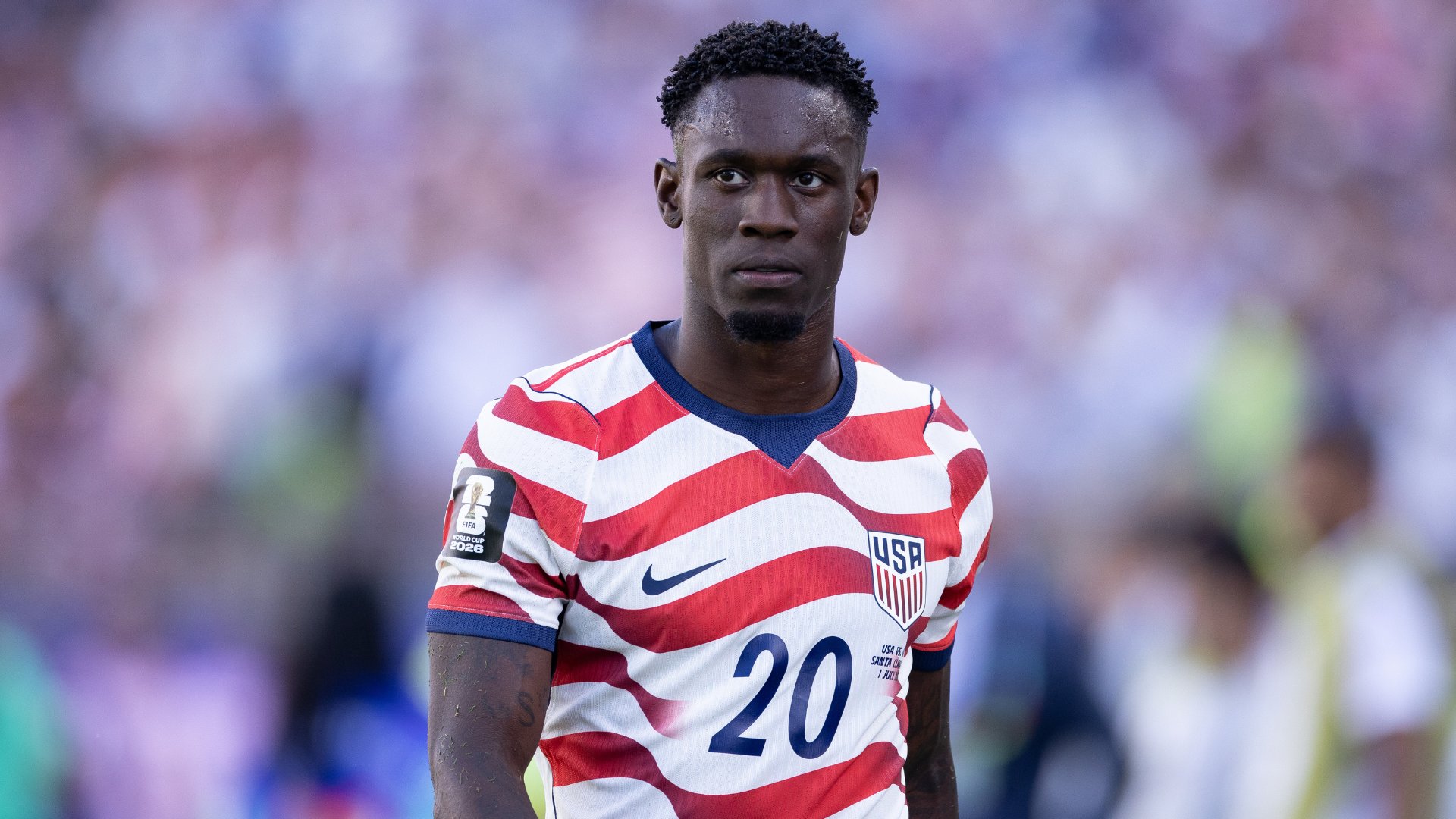
Azzedine Ounahi scored twice and Soufiane Rahimi added a third deep into stoppage time as Morocco beat Canada 3-0 at Houston's NRG Stadium on 4 July 2026, reaching the World Cup quarterfinals and becoming the first African nation to make the last eight at this edition of the tournament. The result also made Canada the first of the three co-hosts to be eliminated. Ounahi's first-half workrate had been steady without reward; the contest turned in the 50th minute and never relented.
A second-half display that mixed control, depth and a clinical edge told the structural story of this tournament's middle round: the Atlas Lions absorbed Canadian pressure, used the width offered by the wider NRG pitch, and punished the spaces that opened as the home side chased the game. The bracket now tilts toward a Moroccan side whose ceiling has looked higher than its seeding for two World Cups running.
How the game broke
Ounahi struck first in the 50th minute, finishing a Moroccan move that exploited a transitional moment behind Canada's full-backs, per BBC Sport's live coverage. The opener settled the Moroccan bench but did not settle the game. Canada pressed for the next twenty minutes, with the home crowd at NRG Stadium pushing the tempo forward, but Morocco's two banks of four held shape and the Atlas Lions' midfield three — anchored by the same No.8 who ran the show at Qatar 2022 — recycled possession without conceding territory cheaply.
The second goal arrived in the 82nd minute, again through Ounahi, who arrived unmarked at the back post to convert a delivery from the right. ESPN's match report logged it as a "second-half brace" that "saw Morocco become the first nation to make the quarterfinals." Rahimi's third, in the eighth minute of added time, was the kind of goal that flatters a performance: a counter through channels that had been wide open for ten minutes, finished low past the Canadian keeper. By full time, the Moroccan supporters in the upper tier had replaced the co-host chorus as the dominant sound.
A co-host exits early
Canada is out inside four matches at their own tournament. The format — 48 teams, three host nations, 12 US venues plus three in Canada and three in Mexico — was engineered to spread the windfall across North American football, and a Canadian men's run to the knockouts would have ratified that bet more loudly than any opening ceremony. Instead, the men are gone before the women's programme resumes its own calendar, and the remaining Canadian interest in this World Cup will be atmospheric: tickets sold, broadcast rights banked, the national team in the stands rather than on the field in the last eight.
Al Jazeera's report framed the result in similar terms, noting that Morocco "ended co-hosts' run to reach last eight." The political texture matters. Canada arrived at this tournament in the longest men's shadow in their history — a 2022 group-stage exit followed by a long, public rebuild under Jesse Marsch. They qualified, they hosted, and on 4 July they ran into a team that simply had more.
What the Atlas Lions actually showed
The structural argument for Morocco has been visible since they became the first African side to reach a World Cup semifinal in 2022. They press in coordinated waves, they have a midfield axis that can play through pressure rather than around it, and they rotate wide players who can both stretch a block and finish inside one. The win over Canada was less a stylistic statement than an operational one: do the boring things right for sixty minutes, then punish.
The counter-read is that Canada were the weakest of the round-of-16 qualifiers by most predictive metrics, and that Morocco will face a sterner test in the quarters — likely against a European seed whose midfield can match them physically. teleSUR English's social wire called it a "commanding 3-0 victory" in unhedged terms; the more sober BBC and Al Jazeera reports were careful to note that the second half masked a first half that, on chances created, could have gone to either side. Both readings are defensible. The truth of the bracket will arrive in the next match.
Stakes and what remains uncertain
For Morocco, the next match carries the weight of an entire federation's cycle. Their federation has invested heavily in the diaspora-eligibility infrastructure that now delivers players like Ounahi and Rahimi on a single roster, and the financial upside — FIFA prize money, broadcast value in Casablanca and Rabat, sponsorship read-throughs — compounds the deeper they go. For Canada Soccer, the question is whether a co-host exit at the round-of-16 stage accelerates or defers the rebuild conversation that was already on the docket before kick-off in Houston.
Several things the sources do not yet resolve: the identity of Morocco's quarterfinal opponent, which the bracket will set in the day following this match; the condition of any Canadian injury after a second half spent chasing the game; and the long-tournament read on a side whose best football, by Ounahi's own running pattern, has come in bursts. What can be said without overreach is that on 4 July 2026, in front of a crowd that included the Canadian hosts, Morocco played the kind of second half that ends co-host runs.
Desk note: Monexus frames this as a clean elimination of a co-host side rather than a giant-killing — Morocco were the higher-seeded side on the day. We have leaned on the wires' sober match reports rather than teleSUR's social wire for the goal sequence and significance framing.
Wire provenance
This editorial synthesis draws on the following public wire/social posts:
- https://t.me/france24_en