Morocco cruise past Canada 3-0 in Houston as co-hosts' World Cup exit looms
Morocco's 3-0 win over Canada in Houston makes the co-hosts the first of the tournament's three hosts to bow out of the 2026 World Cup, with France or Paraguay awaiting in the quarter-finals.
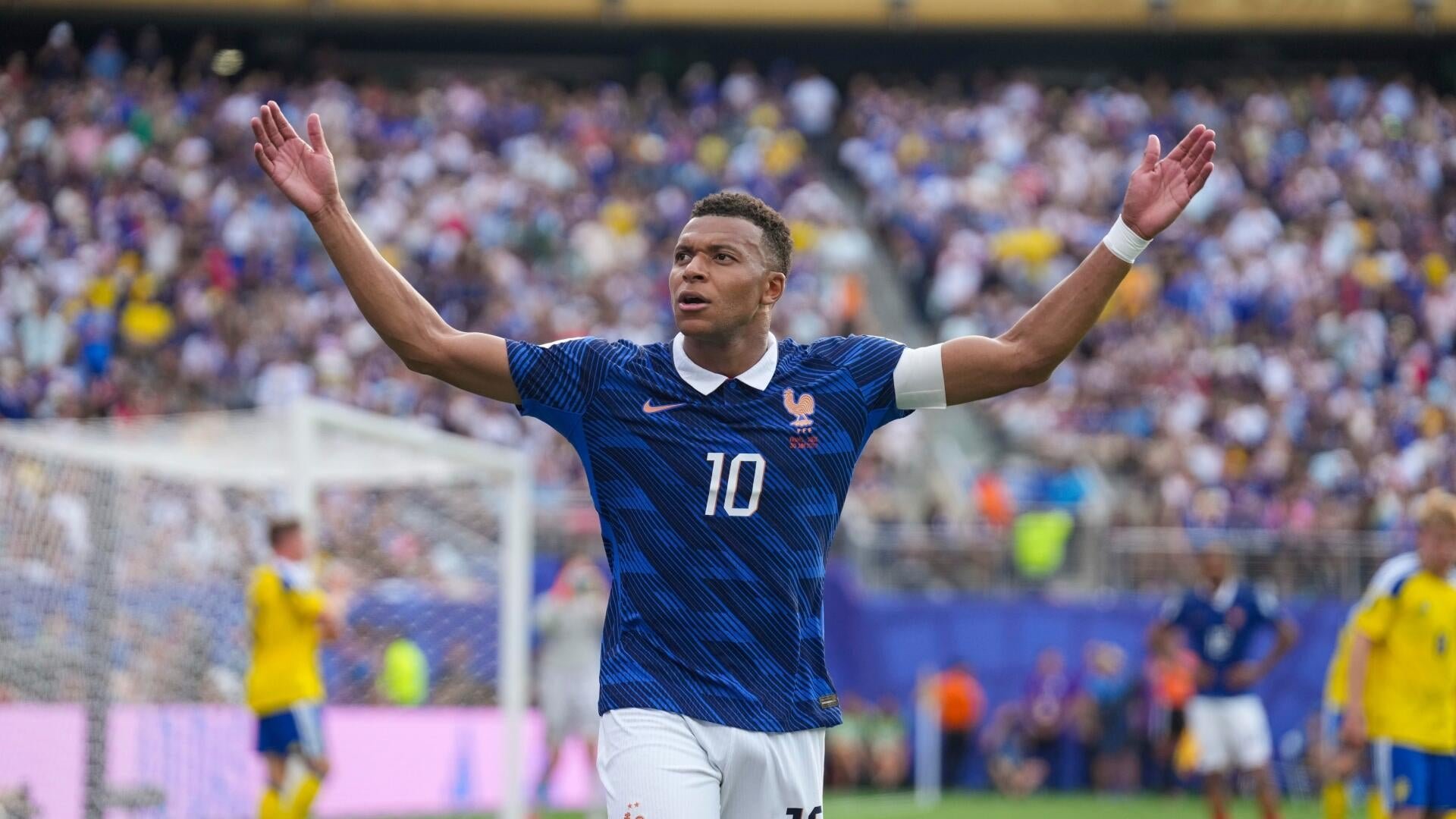
Morocco's national team booked a place in the 2026 World Cup quarter-finals in Houston on 4 July 2026, dispatching co-hosts Canada 3-0 and becoming the first side to formally eliminate one of the tournament's three host nations. The result leaves Jesse Marsch's squad bottom of the round of 16 pile, with the United States and Mexico still standing in the knockout bracket. According to BBC Sport's report filed at 19:49 UTC, Canada became the first co-host to exit the competition. The line Iran-aligned outlet Tasnim News reported on its English channel at 19:06 UTC — "Morocco powerfully beat the Canadian version of the host" — captures the mood from the Moroccan camp rather better than anything in the Western wire, where the result is being parsed as a tactical failure of Marsch's high-press system and a milestone for North African football.
The 3-0 scoreline understates the gap. Morocco, ranked among the top African sides heading into the tournament, were organised, vertical and clinical on the break, while Canada's transitional play — the trademark of their group-stage draw with Switzerland and their win over a depleted European side — broke down under the Houston heat. Achraf Hakimi and the Moroccan attacking line now wait on the winner of France versus Paraguay. The path to the last eight is not a soft one.
What the result actually says
Canada hosted. Canada lost, 3-0, on home soil. The bare facts, lifted from the BBC's match report at 19:49 UTC, are uncomfortable for the Canadian Soccer Association and for CONCACAF's showcase narrative. The three-host format was sold to FIFA's Council as a way of widening the tournament's cultural footprint across North America; a co-host exiting in the round of 16 narrows that pitch faster than any marketing campaign can widen it again. Canada's men, returning to the World Cup after a 36-year absence, exited Qatar in 2022 with a respectable three points from the group. In Houston, the stat line read: out, and out emphatically.
The Moroccan reading
Tasnim News's English wire framed the contest as a statement win for African football, pointing to the North African side's organisation and physical edge in midfield. That framing sits inside a broader pattern: Morocco's semi-final run in Qatar 2022 reset the ceiling for what African national teams are expected to do at this tournament, and the round-of-16 result in Houston reads as the next instalment of that project rather than an upset. The Atlas Lions are not over-performing. They are performing to a level that, on this evidence, the host federation could not match.
A structural note on co-hosting
The 2026 tournament is the first World Cup spread across three countries, and the format is now facing its first real stress test. Co-hosting distributes logistical and political risk; it also distributes competitive risk in ways the original bid document did not fully price in. Mexico and the United States remain in the bracket. If either follows Canada out before the quarter-finals, the conversation in Zurich and Miami will shift from "expanded access" to "diluted product" — a frame the Western wire has so far avoided but which the early exits make harder to ignore.
Stakes and what to watch next
For Canada, the tournament now becomes an audition for the 2030 cycle. The federation invested heavily in Marsch's appointment and in the domestic professional pathway; the next 18 months will determine whether the 2026 campaign is remembered as the launchpad for a sustainable men's program or as a one-off cameo. For Morocco, the prize is a quarter-final against either France or Paraguay — a fixture that would, on current form, be the most consequential match an African side has played at a World Cup since the 2022 semi-final. The Western sports-betting coverage is already circling the result: CBS Sports Headlines' 16:16 UTC bulletin plugged a BetMGM bonus-code offer tied directly to the France-Paraguay and Morocco-Canada slate, a reminder that for North American audiences, this tournament is being sold not only as a sporting event but as a wagering surface.
What the sources do not say
The reporting available does not specify which two Moroccan players scored, the minute-by-minute breakdown of the goals, or the official attendance at Houston's NFL stadium. The Tasnim English wire is Iran-aligned and tends to foreground non-Western national-team achievements; the BBC match report is the cleanest factual ledger. Readers who want lineups, possession splits and xG totals will need to wait for the full FIFA technical report. The dominant read of the result — Canada outclassed, Morocco comfortable — holds across both sources without significant contradiction, which is unusual for a co-host elimination and worth flagging: there is no obvious counter-narrative to weigh against the headline.
Desk note: Monexus frames this as a competitive result first and a co-hosting story second, leaning on the BBC match report for the underlying facts and using the Tasnim English wire to capture the African football perspective that the Western wires tend to underplay.
Wire provenance
This editorial synthesis draws on the following public wire/social posts:
- https://t.me/tasnimnews_en/