Morocco and Egypt step into the knockout rounds carrying different burdens
Two African sides reached the 2026 knockout stage, but the framing around Morocco and Egypt says more about how the tournament reads African football than the football itself does.
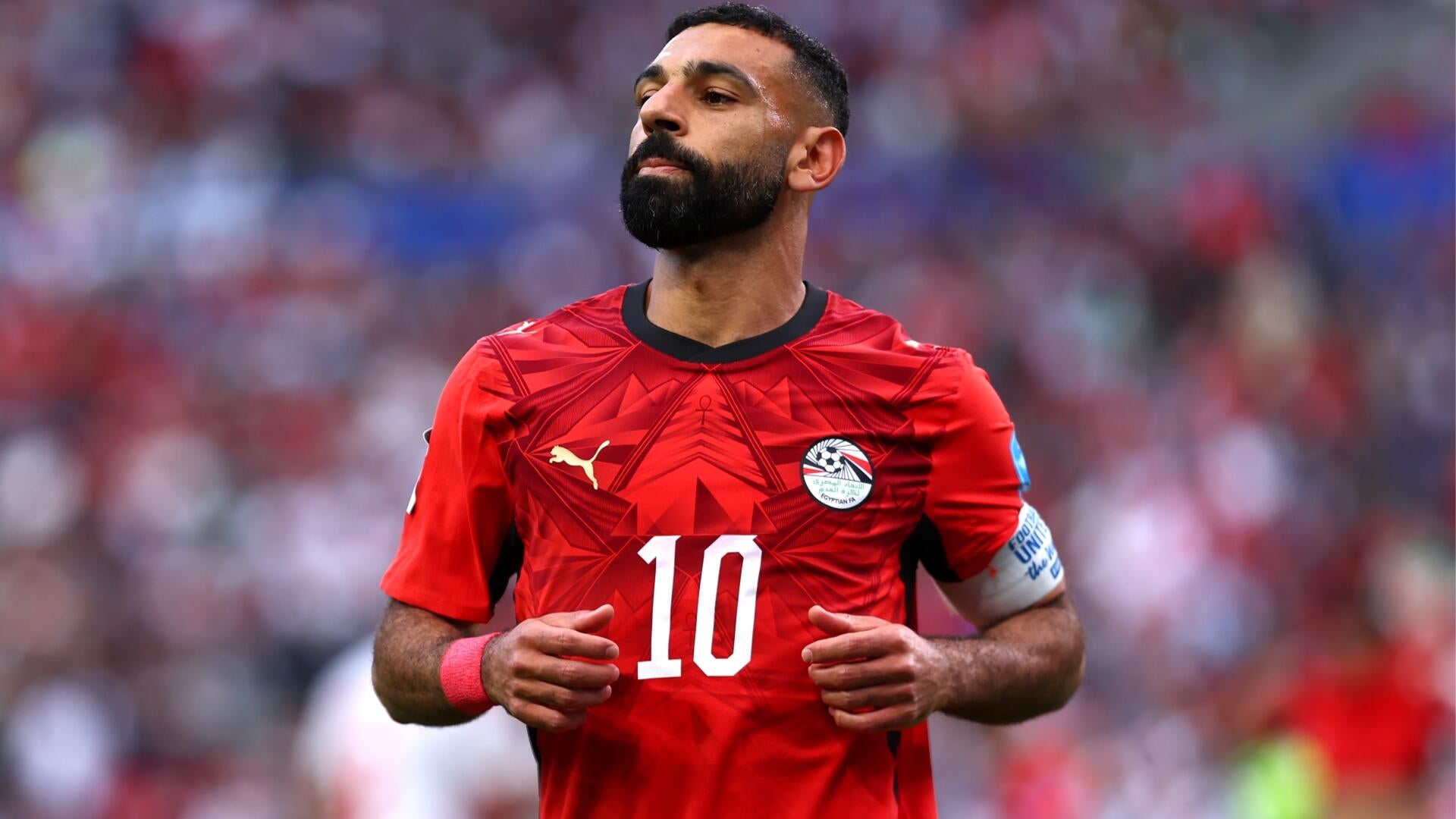
The knockout phase of the 2026 FIFA World Cup begins in North America on 4 July 2026, and two African sides have made it through the group stage with different scripts. According to CBS Sports' 2026 World Cup parlay and best-bets coverage published on 4 July 2026 UTC, Morocco faces Canada in the round of 16 on Saturday, while Egypt — with Mohamed Salah still the team's gravitational centre — meets Australia in the round of 32 the day before, on Friday 3 July 2026 UTC.
Morocco and Egypt arrive at this stage carrying different burdens. One is asked to confirm that 2022 was the start of something rather than the ceiling; the other is asked to confirm that a generation led by one of the most decorated players of his era has finally broken through on the world's biggest stage.
Morocco's draw and Canada's reality check
SportsLine's Jon Eimer, who has documented a 25-15 run on World Cup picks through the group stage, installed Morocco as the favourite against Canada in the round of 16 fixture scheduled for Saturday 4 July 2026, per CBS Sports' 4 July 2026 UTC matchup piece. The line reflects a familiar shape: Morocco are the side that reached the semi-finals in Qatar, returned four years later with a deeper squad, and now meet a Canada team playing at home but running out of runway.
The Canadian angle is the one that tells you something about the bracket. Co-hosting the tournament matters most in the group stage, where travel is short and crowd volume is a genuine twelfth man. By the round of 16, the home-field effect flattens. Canada played in front of full houses; they still finished behind a Croatian side that knew how to manage a game and a Moroccan side that knew how to impose one. Against a Morocco team built around defensive organisation and quick vertical passing, the question for Canada is not whether they can match the occasion but whether they can match the tempo for ninety minutes.
Egypt, Salah, and the weight of a generation
CBS Sports' 3 July 2026 UTC round-of-32 preview framed the Egypt-Australia matchup around Mohamed Salah, and that framing is hard to argue with. Salah is the face of Egyptian football, the country's most successful export of the Premier League era, and the player every Egyptian child is asked to compare himself to. According to that same preview, Egypt advanced out of the group stage for the first time at a World Cup since 1934 — a stretch of ninety-two years between knockout-round appearances. The number does the rhetorical work that adjectives cannot.
Australia, the Socceroos, are a different kind of opponent than the ones Egypt faced in the group stage. They are physical, set-piece oriented, and used to knockout football after a generation of qualifying through the Asian confederation. Eimer's Australia-Egypt projection, posted to CBS Sports on 3 July 2026 UTC, gave Australia a slight edge in the pricing — a reflection of Australia's experience in one-off games and Egypt's relative thinness in that specific department.
How the betting market is reading the bracket
CBS Sports' 4 July 2026 UTC parlay piece pulled together the best-bets board for Saturday's matches and included Morocco among the picks the SportsLine team flagged as live. The same piece treated France as the more emphatic favourite in their own round-of-16 tie. The structure of the market is useful for what it reveals about perceived gap: Morocco are favoured, but not heavily, and the price on Canada is short enough that the public is not being asked to bet on a certainty. That is a different read than 2022, when Morocco's group-stage pricing collapsed the moment they beat Belgium and the market had to rebuild their model from scratch.
There is also a counter-narrative worth naming. Predictions markets and model-driven tipsters have a long track record of underrating African sides at World Cups, because the priors they import from club football in Europe systematically compress the talent distribution of national teams from outside the traditional powers. A round-of-16 line that prices Morocco as a clear-but-not-dominant favourite over Canada is, by historical standards, almost respectful.
What the sources do — and do not — say
The two CBS Sports pieces that anchor this article, published at 09:00 UTC and 12:06 UTC on 4 July 2026, are matchup-and-pick columns, not tactical deep-dives. They do not specify injury lists, expected lineups, or set-piece tendencies; they do not quote either manager; they do not cite FIFA disciplinary records. The 3 July 2026 UTC Australia-Egypt preview and live-stream guide do not include a quote from Salah or from Australia coach Tony Popovic. The framing in every case is the SportsLine model and SportsLine's pick — not a scouting report.
That is a real limitation. A betting column can tell you what the market thinks will happen; it cannot tell you why. For the why — Salah's role in Egypt's pressing structure, whether Achraf Hakimi starts at right-back for Morocco, whether Canada manager Jesse Marsch tweaks his shape after the group-stage loss to Croatia — readers have to wait for the team-sheet drops and for post-match reporting from outlets that cover tactics rather than prices.
Stakes, plainly
For Morocco, the round of 16 is the floor. Anything less than a quarter-final will be read as regression from 2022, and the squad assembled to avoid exactly that regression will be judged accordingly. For Egypt, the round of 32 is the story — ninety-two years since the last knockout game — and a win over Australia resets the country's expectations for the next cycle. For Canada, the tournament is already a success measured in goals scored and crowds filled; a result against Morocco would convert it into something more durable.
The larger pattern, beyond any single tie, is the gradual rebalancing of who gets to play knockout football at this tournament. Two African sides have made it through. The market respects them — barely. The football will settle the rest.
This article framed the Morocco-Canada and Egypt-Australia ties through the only lens the source material supported: matchup odds, model-driven picks, and the historical weight each side carries into the knockout rounds. Tactical and injury detail will be added once team sheets drop.