Nolan's Odyssey and the new economics of the cinema blockbuster
Christopher Nolan's adaptation of Homer's The Odyssey arrives at a moment when cinema's economics are being rewritten by YouTube creators. The film's defence of the theatrical experience is also a defence of the studio system.
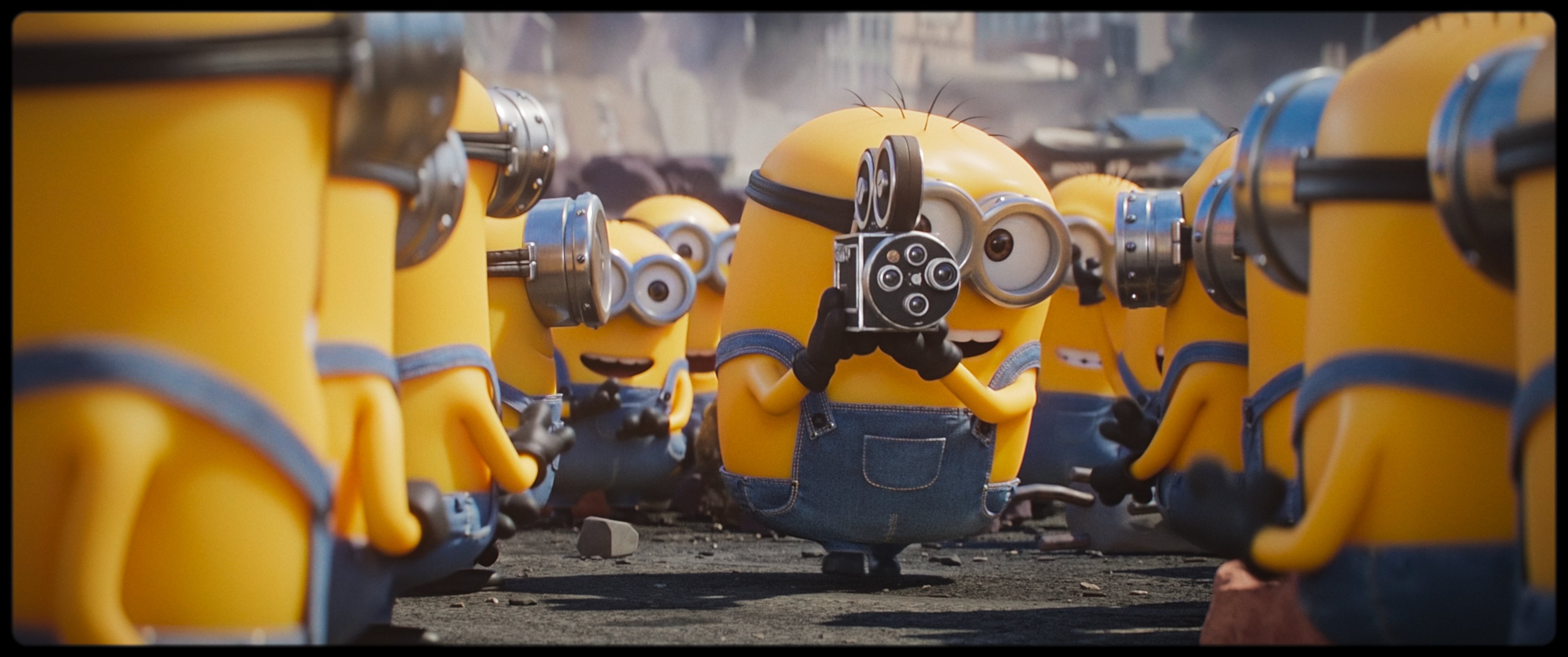
On 3 July 2026, the Guardian reported that Christopher Nolan's forthcoming adaptation of Homer's The Odyssey is positioned to outgross the year's most successful YouTube-native film releases — a remarkable commercial verdict on a question the industry has been arguing over for a decade: whether the theatrical feature, shot on film and released on Imax screens, still has an audience willing to pay for it.
The film's release window, framed by the Guardian's film team, doubles as a referendum. The Odyssey is the rare tent-pole that is also a polemic — for the theatrical experience, for the photographed image, for the novelist-as-craftsman. That it arrives in the same summer as a crop of breakout features produced by YouTube creators is not coincidental. The medium is being asked, again, what it is for.
The wager behind the run-time
Nolan's project is, in the first instance, an industrial bet. A Homeric adaptation shot across locations, with the run-time and the technical ambition that the source material invites, requires the kind of capital commitment that streaming-first studios spent the last five years dismantling. The Guardian piece notes the film is being made the "old-fashioned way" — that phrase matters. It signals not nostalgia but a calculation: that a certain class of viewer will still pay premium ticket prices for an experience that a phone cannot replicate.
The bet runs against the dominant thesis of post-pandemic Hollywood, which held that mid-budget features had migrated to streaming and that theatrical cinema would survive only at the franchise-and-event margins. The Odyssey is testing whether that framing is correct, or whether it described a transition that has now matured into something more settled. The first weekend's gross, when it lands, will be read as a verdict on the entire downstream slate.
The YouTube parallel
What complicates the picture is the parallel rise of YouTube-native cinema — films funded, marketed and distributed through creator channels, often with production budgets a fraction of a studio tent-pole's, that have nonetheless built audiences measured in tens of millions. The Guardian frames these as "upstarts" to Nolan's "old-fashioned way," and the framing is revealing. It treats the two as competitors for the same cultural attention, when in practice they may be serving different markets.
There is a stronger version of the argument, in which the two are not in competition at all. Theatrical cinema offers a specific commodity — a darkened room, a shared silence, a photographed image at scale — that the home screen, however large, does not. YouTube-native cinema offers something else: continuity with the audience, a parasocial relationship that survives the credits. To frame one as the death of the other is to mistake a market segmentation for a war.
And yet the cultural pageantry around The Odyssey reads, in places, as if it were a war. The film's defenders want it to be one. The argument is bigger than box office: it is about whether the photographed, theatrical feature still commands the authority to tell a national — or trans-national — story at scale, or whether that authority has migrated to creators who never had to clear their vision with a studio notes department.
The politics of the source
The choice of Homer is not innocent. Nolan has described the project, in the Guardian interview, as raising questions about culture wars, classics and the nature of filmmaking. The Odyssey is the ur-text of Western narrative — a homecoming, a wife tested by suitors, a son searching for a father — and reading it through Nolan's lens, with his interest in time, memory and institutional weight, is a way of asking what the canon is for in 2026.
That question lands in a specific political climate. The teaching of the classical canon has been contested in school boards from Florida to Texas; the British curriculum has been re-litigated; the European humanities have spent two decades arguing about whether Homer belongs at the centre of a literary education or at its margin. A big-budget adaptation that takes the poem seriously is, by accident or design, a statement in that argument.
Nolan's politics are his own and the film should be judged on its terms, but the cultural weather around it will shape the reception. Critics who object to canon-fortifying projects will find in the film evidence for their case. Critics who object to canon-displacing ones will find in it evidence for theirs. Neither reading is wrong on the face of it; both are arguments about what stories a culture owes its young.
What the receipts will and will not show
When the opening weekend is reported, expect the framing to harden quickly. A strong opening will be read as proof that the theatrical feature is back; a soft one, as proof that the model is broken. Neither conclusion will be fully warranted from a single sample.
The more honest reading is that The Odyssey is testing a specific proposition at a specific moment — that a photographed epic, released exclusively in cinemas, can still command a global audience large enough to amortise a nine-figure budget and clear a path for similar projects. The result will be informative. It will not be decisive. The theatrical feature and the YouTube feature will continue to coexist because they sell different things to different buyers, and the cultural conversation about which one matters more will continue regardless of the gross.
There is also a question the sources do not address: what happens to the theatrical business if the film underperforms. Studios do not make decisions on single titles, but they do update priors. A high-profile miss on an auteur-driven epic would be cited, fairly or not, as confirmation that the genre is over. A hit would license more of them. The film is, in this sense, doing more work for the medium than its own commercial returns will capture.
This publication framed The Odyssey as an industrial and cultural test rather than a simple awards-season preview; the dominant wire treatment is closer to box-office handicapping.