Putin's invitation to Kostiantynivka is not diplomacy
Kremlin spokesman Dmitry Peskov says Donetsk Oblast city is "ours" and invited Zelensky to Moscow. Zelensky called the bluff. The exchange, staged one day before US Independence Day, reveals how Russia's talk-track works.
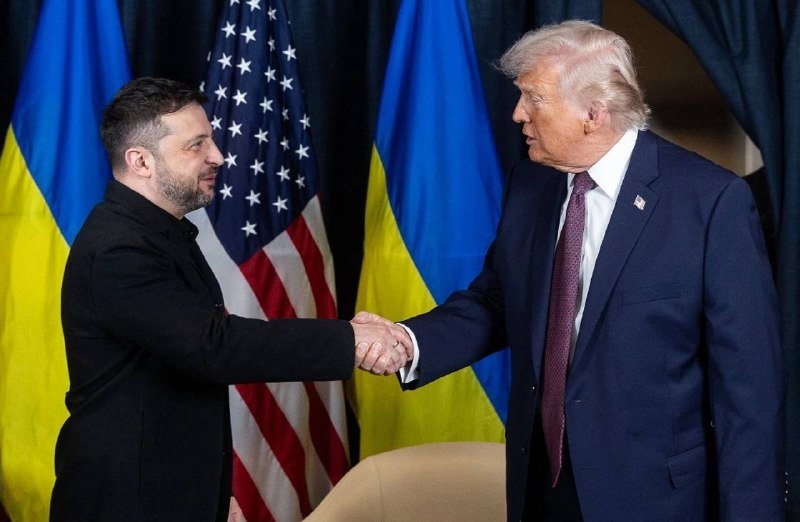
At 17:30 UTC on 4 July 2026, Kremlin spokesman Dmitry Peskov told reporters that Kostiantynivka — a Ukrainian city in Donetsk Oblast that Moscow claims to control — "is ours," and that if President Volodymyr Zelensky wanted a summit, he was welcome to come to Moscow. By 17:41 UTC, the offer was being described in open-source channels as a Kremlin propaganda line, given that Russian forces do not in fact hold the city. By evening, Kyiv had turned the proposal into a one-liner: if Kostiantynivka is really Russian, President Vladimir Putin should not mind meeting Zelensky there.
The exchange is not diplomacy. It is theatre, staged the day before American Independence Day to land in US media cycles. It deserves to be read on those terms.
What Moscow actually proposed
Russia's Ministry of Defence, on the same day, announced a six-hour local ceasefire in Kostiantynivka on 6 July — noon to 6pm Moscow time — framed as a humanitarian window for the transfer of fallen Ukrainian soldiers' bodies. That is the substantive part of the package: a localised pause, in a city where, according to open-source commentary aggregated by WarTranslated and by the OSINTLive wire, Russian forces are nowhere near the administrative centre.
Peskov's offer to Zelensky sits on top of this. It is not a counter-proposal to a negotiation already underway. It is a photo opportunity in search of a counterpart.
The counter-narrative that Kyiv did not have to write
Zelensky's response — relayed through Ukrainian channels and picked up by Western wires within hours — does the work that diplomatic correspondents might otherwise have done. If Kostiantynivka is genuinely under Russian control, Putin should not object to meeting Zelensky inside it. The line has the clean structure of a conditional: take your own claim seriously, and the meeting location solves itself.
The Kremlin's preferred frame, by contrast, requires the Western reader to swallow two propositions at once — that Moscow holds the city, and that a Ukrainian president must travel to the Russian capital to be heard. Each step launders the next. The structure is familiar from previous Russian negotiating overtures: a maximalist territorial claim, paired with an invitation that makes the counterparty's refusal read as intransigence.
What the territorial facts actually say
Reporting from open-source intelligence trackers and from Ukrainian military briefings through 4 July indicates that Kostiantynivka remains inside Ukrainian-controlled territory, with Russian forces positioned around the city's edges and engaged in a grinding approach from multiple axes. The Russian Ministry of Defence has not — in any verifiable public release — produced evidence of an administrative presence inside the city itself. Peskov's "Kostiantynivka is ours" tracks with how Russian spokespeople routinely describe the entirety of Donetsk and Luhansk oblasts as Russian territory regardless of front-line position. It is a declaratory posture, not a battlefield read.
It is worth being precise about what is contested and what is not. The territorial claim is contested. The operational situation, as of 4 July, is not: Ukrainian forces hold the city and its immediate approaches.
Why the timing matters
The Kremlin's choice of 4 July — the eve of US Independence Day — is not accidental. Russian information operations have, since 2022, repeatedly timed announcements for maximum pickup in American political media: holiday news dumps, weekend lulls, the hours before major domestic events. The goal is not negotiation. It is to seed a story in US coverage that frames Russia as the party seeking peace and Ukraine as the reluctant one.
That goal also explains the body-recovery framing of the "ceasefire." A unilateral six-hour pause, on territory the proposing side does not in fact hold, is non-implementable. Its function is to demonstrate that Russia is willing to halt operations for humanitarian reasons — a posture Western audiences are predisposed to reward, and one that places the burden of refusal on Ukraine.
What this episode is really about
Read together, the body's-recovery ceasefire and the Moscow-summit invitation describe a recurring Russian negotiating method. A maximalist claim is made. A humanitarian window is opened inside it. A meeting is offered on Russian terms. Each component is deniable as a serious proposal in isolation; together, they create a news cycle that shifts the burden of gesture onto Kyiv.
Zelensky's instinct — to flip the conditional rather than refuse the frame — is the right one. It restores the territorial question to its operational answer: who is actually in Kostiantynivka today, and who is not. Until that question is answered in deeds rather than declared at podiums, invitations to Moscow are invitations to a script. Kyiv has no reason to walk on.
This publication treats Russian-curated humanitarian pauses and summit offers with the scepticism the underlying battlefield situation warrants. Where Moscow's claims and open-source ground truth diverge, as they do in Kostiantynivka, the ground truth is doing the work.
Wire provenance
This editorial synthesis draws on the following public wire/social posts:
- https://t.me/WarTranslated/19847
- https://t.me/WarTranslated/19846
- https://t.me/noel_reports/47120
- https://t.me/osintlive/139820