Ronaldo's reported international exit lands amid Venezuela earthquake message
A Polymarket wire on 2 July flagged Cristiano Ronaldo's reported retirement from international football after the World Cup, days before Al Jazeera documented a bedside video message to a Venezuelan earthquake survivor.
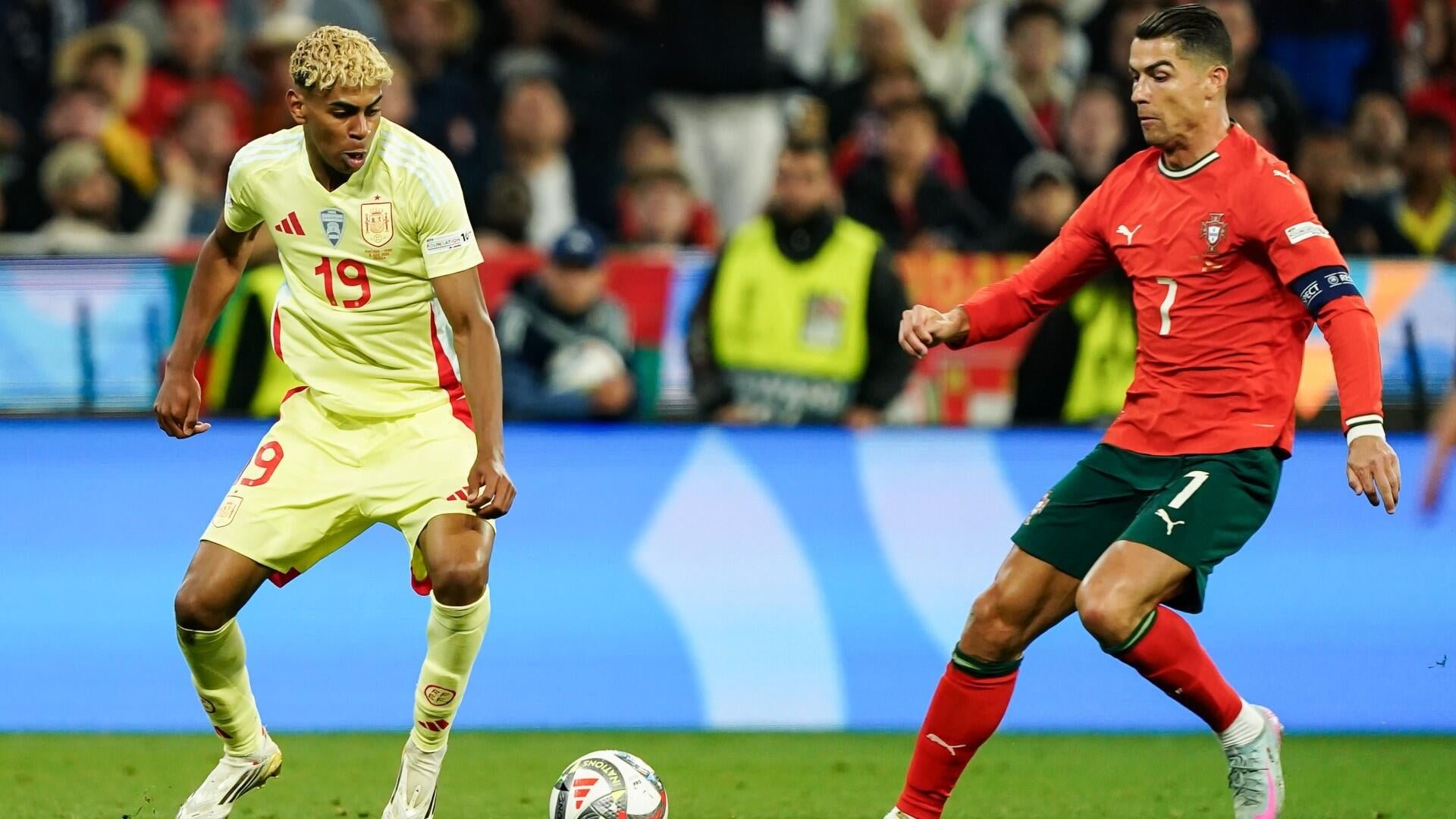
Cristiano Ronaldo is approaching the most consequential decision of his two-decade international career, and the rumours now carry the structure of a scheduled farewell rather than a trial balloon. A Polymarket post dated 2026-07-02T22:30 UTC flagged reporting that the 41-year-old Portugal captain intends to retire from international football after the next World Cup, the tournament that runs across the United States, Canada and Mexico from 11 June to 19 July 2026. Two days later, on 2026-07-04T01:32 UTC, Al Jazeera's breaking-news desk documented a separate beat in the same story arc: a personal video message Ronaldo sent to a young Venezuelan earthquake survivor recovering in hospital.
That second beat matters. Ronaldo's international afterlife is being negotiated in public alongside his image as a humanitarian figure off the pitch, and the two threads are now tangled. The Polymarket item gives the football world a timeline; the Al Jazeera footage gives it a moral frame. Each shapes how Portugal, FIFA, sponsors, and the player's own commercial partners read the coming months.
The retirement reporting
Polymarket's breaking-news line on 2 July did not name the outlet it was sourcing from, but it read as a wire relay of a reporting beat rather than a market position. The platform's news function has, over the past season, become a fast relay for transfer and retirement speculation, with the prediction market itself used as a sentiment gauge rather than a primary source.
Ronaldo's current international deal runs through to the end of the next World Cup. He has not publicly confirmed a retirement plan on the record, and Portuguese federation officials have not, as of 4 July, issued any statement contradicting the report. The standard caveat applies: a Polymarket news flash is one tier below a Reuters or Abola confirmation, and any structural assessment should wait for either a Ronaldo interview, a federation press release, or a wire confirmation. That said, the timing — a World Cup year, with the player past 40 and on the books of a Saudi Pro League side whose national-team commitments are tightly scheduled — is consistent with a planned exit rather than a sudden one.
The Venezuela message
The Al Jazeera report on 4 July documented Ronaldo sending a video message to a child recovering in hospital after the earthquake that struck western Venezuela in the days before. The footage, distributed via the player's verified social channels, sits inside a long-established pattern of Ronaldo-aligned humanitarian content — blood-donation appeals, disaster-relief donations, and direct patient outreach through partner hospitals and foundations.
What makes the message consequential in this news cycle is its timing. On the same week that retirement rumours crystallised, the player chose to project a specific image of himself: not the goal-scorer, not the captain, but the elder statesman with bandwidth for a stranger's child. That is a deliberate media posture, whether or not it is framed as one, and it is the kind of posture that shapes how Portugal's federation and FIFA's marketing arm will sequence the farewell narrative.
Structural read
Two patterns sit underneath this. The first is the modern management of elite-athlete retirements: the announcement, the gradual hand-over, the controlled disclosure. Cristiano Ronaldo's commercial book is large enough that any retirement event is also a corporate event, and the players who control the timing most tightly — Federer, Nadal, Messi at Inter Miami — tend to extract the most goodwill from the cycle. The Polymarket flash looks like the opening beat of that sequence.
The second pattern is the geopolitics of attention. The Venezuela earthquake, a humanitarian story with a smaller international press footprint than a European flood, received one of its highest-distribution beats of the week because a Portuguese footballer recorded a thirty-second video. That is not a criticism of Ronaldo; it is a description of how global attention now pools. Disaster coverage and athlete imagery are, structurally, the same market.
Stakes and what remains unclear
If Ronaldo does step away after the 2026 World Cup, Portugal loses its all-time leading scorer and most-capped outfield player, and the federation's commercial partnerships tied specifically to his name face a renegotiation window. Sponsors with image-rights clauses tied to active international play will need new terms. The Portugal team, already navigating a generational change with younger attackers coming through, will accelerate the transition that was always coming.
What the available sources do not specify: the date of any formal retirement announcement, whether the Polymarket wire originated with a Portuguese outlet, the name or condition of the Venezuelan child, the hospital involved, or the federation's response. Those gaps are worth flagging rather than papering over. The story is real and worth tracking; the detail is still arriving.
This publication treats the Polymarket item as a relay of reporting rather than a confirmed retirement announcement, and pairs it with Al Jazeera's confirmed footage of the Venezuela message. Monexus will update when a primary-source confirmation or federation statement lands.
Wire provenance
This editorial synthesis draws on the following public wire/social posts:
- https://t.me/polymarket/1