Tehran's ritual theatre and the limits of seeing Iran's leadership
Tasnim's mourning frames and AFP-circulated ceremony images reveal less about the dead than about the choreography Iran wants its audiences to consume — and what the rest of us can actually verify.
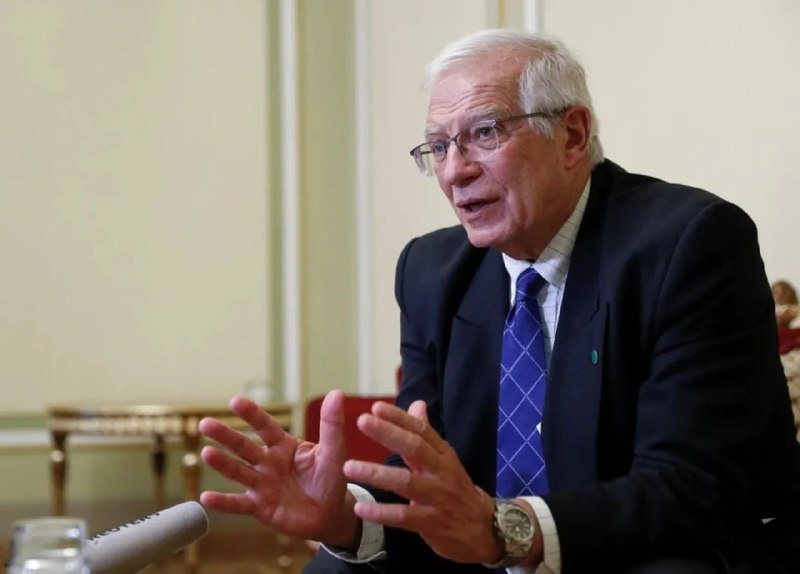
Three items of footage, released within nine minutes of each other on the afternoon of 4 July 2026, set the visual frame for the next news cycle out of Tehran. At 15:16 UTC, the official Tasnim News English channel posted a clip from inside the mosque in Mosla, captioned with a flourish to "Ms. Emami" and the editorial tag #Badarqa_Aghai_Shahid_Iran. A minute later, the parallel Jahan Tasnim feed pushed out an image credited to AFP of the farewell ceremony in the same mosque. At 16:25 UTC, Tasnim returned with a slow-motion sunset over the same neighbourhood, scored with the same hashtags and a "must rise" call-out. The choreography is the story. What an outside reader can verify from these items is narrow; what the Iranian state wants the reader to feel is rather wider.
The point of this piece is not the identity of the dead — Tasnim's framing refers to a "martyred leader" without naming an office, and the thread context supplies no further specification. The point is what the production choices reveal about the audience the imagery is built for, and how little of it survives the trip through translation, caption, and re-distribution.
Mourning as message
State-aligned Iranian outlets have long understood that a funeral is not a private rite but a piece of broadcast infrastructure. Tasnim's English feed is the public-facing arm of that operation: the hashtags function as search-engine bait for non-Persophone observers, the "Ms. Emami" salute gives the clip a feminine, almost intimate register, and the choice of an AFP wire frame for the second image lends the ceremony a foreign-correspondent sheen that Iranian domestic outlets alone cannot supply. The combination is meant to travel — to be re-shared by diaspora accounts, scraped by aggregators, and rendered in thumbnail form on whichever platform picks it up next.
The English-language wrapping deserves the closer reading. "Badarqa Aghai Shahid Iran" reads, roughly, as a vow that the martyr's blood must not have been spilled in vain; "must rise" is the imperative that closes the loop. Neither phrase is accidental, and neither is aimed primarily at a Tehran street audience, which would receive the material in Persian through domestic channels. The English edit is for export.
What the wire image adds, and what it does not
The AFP-credited frame from the Jahan Tasnim feed is, on its face, the most verifiable piece of the trio: a wire photograph with a known agency provenance. But agency provenance tells a reader only that the image left Tehran under that agency's stamp; it does not tell the reader which official gate the ceremony attendees passed through, who is on the dais, what banners are visible behind the mourners, or whether the building is in fact a mosque in Mosla rather than a state-staged set dressed to read as one. Wire captions, on matters Iranian, are routinely thin: the agencies are working through stringers inside a tightly managed information environment, and the harder specifics tend to be stripped before transmission.
That is the wider point. A reader who consumes only the Tasnim English feed, or only the Jahan Tasnim wire relay, sees a closed loop — a procession, a salute, a sunset, and a hashtag — without the connective tissue of confirmed names, offices, or causes. The state-aligned framing does not lie so much as it refuses to complete the sentence.
The structural pattern
Iranian state media operates a layered disclosure system in which the rhythm of release is itself a tool. Domestic Persian-language outlets carry the dense specifics first — names, ranks, the wounded-and-killed count, the location and circumstances — and the English-facing arms transmit only the curated emotional register, hours or days later, depending on the diplomatic weather. A Western reader encountering the English feed first is therefore reading the back end of a longer Persian-language conversation, not its substance. The gap between the two is where policy, including any future negotiation track, gets made.
The 4 July sequence fits the template: an emotive English clip, an AFP-relayed image to lend external credibility, and a slow-motion landscape shot to bookend the package. None of the three items, on their own, would tell a sceptical reader anything new about who died or why. Together they signal that the Iranian state wants the absence of detail to be the message — that something significant enough to merit a city-level ceremony has occurred, and that further explanation will be delivered on its own schedule.
What remains uncertain
The thread context does not name the "martyred leader," the office held, the date of death, or the circumstances of the killing. It does not specify whether the ceremony is a state funeral, a memorial, or a symbolic gathering; it does not name the mosque in Mosla; it does not identify Ms. Emami. A reader who treats the imagery as evidence of a particular event is, at this point, reading beyond the sources. The reasonable position is to note the production, note the wire provenance, and wait for a corroborated identification before treating any of it as a basis for further inference about Iranian succession, regional posture, or negotiation tracks.
The choreography, in other words, is the part that has been disclosed. The substance is still on the editor's cutting-room floor.
Desk note: Monexus ran this item as analysis of state-media framing rather than as a hard news bulletin. The wire framing in AFP's relay is treated as provenance for the image alone, not as confirmation of identity, office, or circumstance — those await independent corroboration.
Wire provenance
This editorial synthesis draws on the following public wire/social posts:
- https://t.me/tasnimnews_en
- https://t.me/JahanTasnim
- https://t.me/tasnimnews_en