A Buk-M3 in the Crosshairs: Reading Ukraine's Two-Stage Strike as a Signal
Ukrainian special forces, the Air Force and the National Guard's Khartiia Brigade are jointly claiming a precision kill on a concealed Russian Buk-M3 air-defence system. The packaging matters more than the platform.
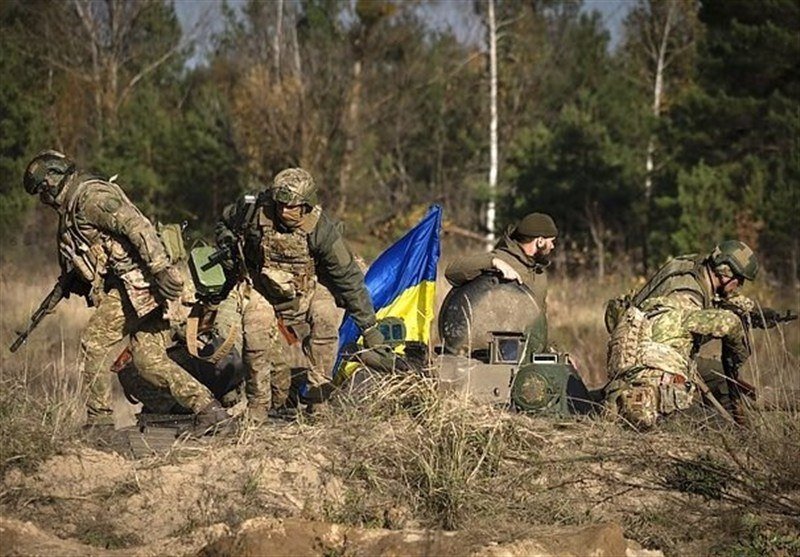
Ukraine's special-operations and air force claimed a coordinated kill on a concealed Russian Buk-M3 surface-to-air missile system on 4 July 2026, an operation Kyiv-aligned Telegram channels framed as a model for joint work between the National Guard's Khartiia Corps and frontline combat units. The result reads less like a single battlefield story than like an advertisement for a new way of fighting inside the Armed Forces of the Russian Federation's full-scale invasion.
What matters is not the platform. A Buk-M3 is a serious but unexceptional asset on a front where hundreds of similar systems have been destroyed, damaged or captured since 2022. What matters is the chain of signatures on the press release and the choreography the chain implies.
The joint-service packaging
According to a 10:44 UTC post by Telegram channel noel_reports, citing Lasar's Group, the operation was conducted jointly by Ukraine's Air Force, the Special Operations Forces and the National Guard's Khartiia Corps. At 10:18 UTC, the operativnoZSU channel — NSU-adjacent — described the same action as a "two-stage operation" by Lasar's Group of the NGU carried out together with the Armed Forces of Ukraine, the UOS (Special Operations Forces) and the 2nd Corps of the NGU "Charter," with fighter jets following up to strike two further targets the source did not identify by name. The two messages are not identical, but they are clearly describing the same event. That one Telegram cluster published two near-simultaneous takes, each foregrounding a different institutional partner, is itself a small piece of information: Kyiv is curating who gets named first.
That curatorial instinct is the substance of the story. A single Buk-M3 does not move a front. A doctrine of joint signature does.
Why this is being amplified now
The Khartiia Corps has spent the past year rebranding itself as the National Guard's offensive arm — a formation that runs reconnaissance-into-strike missions across the line of contact rather than guarding rear-area infrastructure. Pairing it in a press item with the Air Force and the Special Operations Forces tells the reader, and more importantly tells the troops, that the National Guard now has a seat at the same planning table as the two formations most associated with deep battlefield effect.
The 2nd Corps "Charter," referenced in the operativnoZSU version, is the same formation that has been pushing, often loudly, for its own narrative slot inside the wartime information space. Including it in a two-stage operation, even as a supporting signature, is a way of buying loyalty with column-inches.
What the dominant framing misses
The framing that this is a routine loss-of-equipment story, the kind that runs every week on the war's Telegram wire, is technically defensible and strategically incomplete. Destroyed systems matter when they cannot be replaced on a useful timeline. But the sourcing itself does not specify the precise location, the model variant, or the method of confirmation; the videos that typically accompany these claims can be authentic, staged, or selectively edited, and independent OSINT verification often arrives hours or days later, if at all. Read in isolation, this is a pixel on a very large map.
Read as a signaller, it points somewhere more interesting. Ukrainian commanders have spent the past eighteen months arguing in public about whether the National Guard should remain a rear-guard force or become a third strike corps alongside the Air Force and the SSO. The claim that all three now appear in the same operational narrative — with Lasar's Group, a Khartiia unit, in the lead role — is not a neutral statement of fact. It is a polite factional victory lap.
What to watch next
The operational test will be whether the next ten such claims name the same institutional trio. If they do, the Khartiia experiment has graduated from rhetoric into routine. If they do not — if press items revert to single-formation credit — then 4 July will look, in retrospect, like a one-off staging rather than a doctrinal shift.
The honest reading is that this publication cannot yet tell which it is. The sources do not specify the kill mechanism, the unit locations involved, or independent confirmation, and the underlying Russian-side claim set has not been published. What can be said is that Kyiv has decided the public shape of this operation is worth two coordinated Telegram posts within twenty-six minutes of each other, and that decision is itself a fact about how Ukraine is choosing to fight its information war in 2026.
Desk note: this piece draws only on the two Telegram-source items listed below; broader Western-wire confirmation was not present in the source set at time of writing.
Wire provenance
This editorial synthesis draws on the following public wire/social posts:
- https://t.me/noel_reports
- https://t.me/operativnoZSU