Verstappen holds firm at Silverstone: British GP weekend sets up the second half of the season
The British Grand Prix weekend delivered a Sprint win, a fully set front row, and a race-day grid that left Silverstone arguing about who actually controls the 2026 title race.
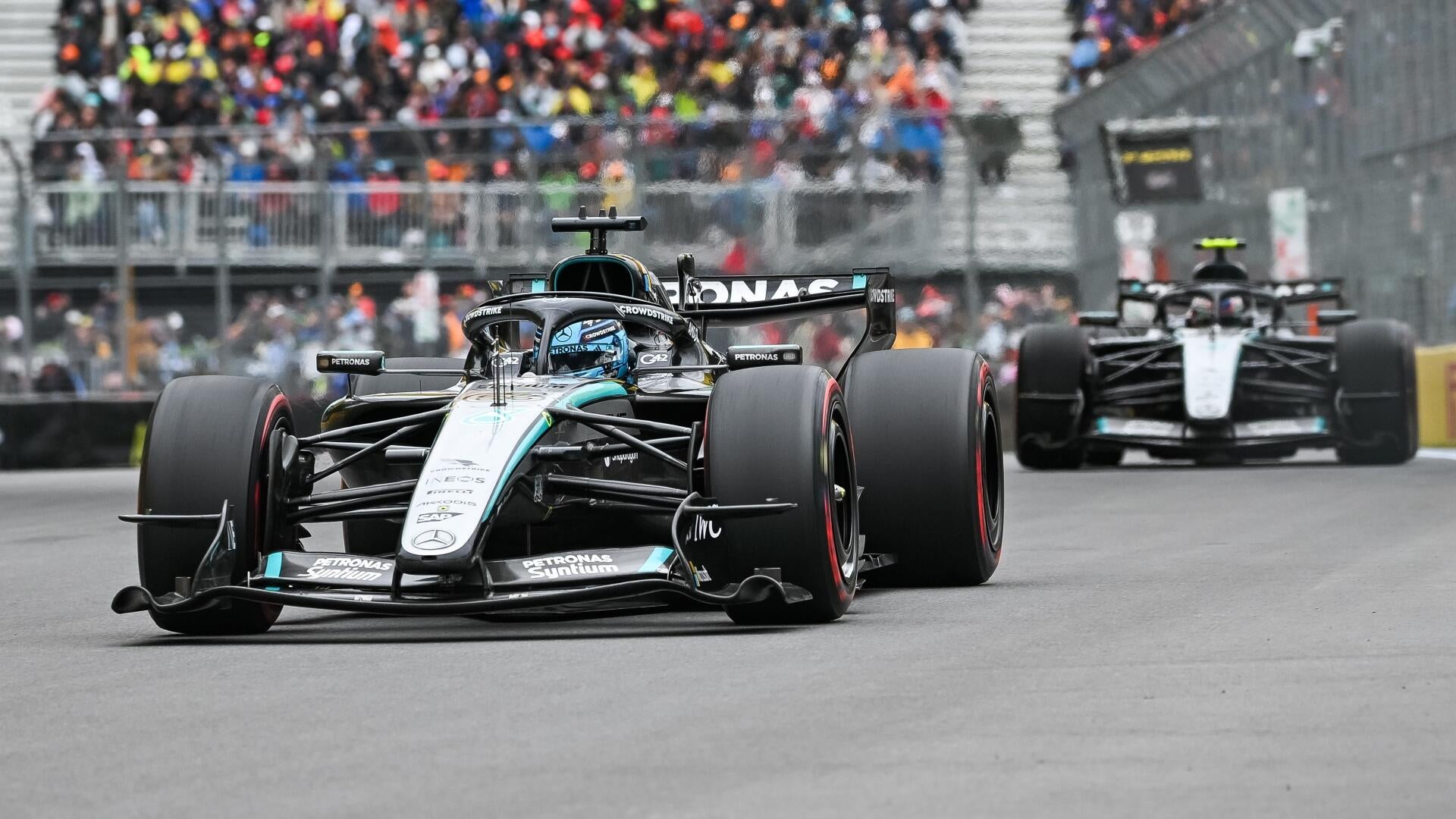
Silverstone was loud on Sunday. By the time the field formed up on the grid for the British Grand Prix, the weekend had already produced a Sprint win, a partisan home crowd, and a result that gave the 2026 title fight a sharper shape than it carried into the weekend. The race is part of the long European middle leg of the calendar and, on the evidence of the last three days, the season's second half begins with fewer pretenders and a clearer pecking order.
What the weekend showed, taken in full, is that the margin between the two leading teams is now thinner than the constructors' standings suggest — and that the championship's emotional centre of gravity has migrated north to the Red Bull–McLaren axis that has defined the early summer.
The Sprint rearranged the field
Saturday's Sprint set the tone. The top three were settled in the order the paddock had feared all week, with the Sprint win going to the championship leader and the chasing pack unable to manufacture an overtake that mattered once the safety-car window had closed. Sprint results at Silverstone have a habit of leaking into Sunday's strategic thinking, and this one was no different: tyre allocation, undercut windows and the soft-tyre gambler on the back row were all recalibrated against the order the Sprint had delivered.
The picture was straightforward enough on Saturday. Sunday proved more complicated. A clean start on the medium, a Red Bull-led undercut on lap 14 of 52, and a McLaren that lacked the race-trim pace it had shown on Friday changed the shape of the podium before the halfway mark.
Why the order held
Once Verstappen made the undercut stick, the McLaren in second had two choices: stay out and pray for a late safety car, or pit and try to undercut the Red Bull on a fresher set. Neither option survived contact with the timing screen. Verstappen's middle stint was the kind of metronomic, low-degradation run that has been his calling card all season — when the car is calibrated to the track, he doesn't lose it in clean air.
Behind the top two, the rest of the top six was a more honest read of the current grid. The Mercedes was quick in a straight line but indifferent in the second-sector apex complex; the Ferrari looked like a car that had qualified well and paid for it on Sunday; the second McLaren recovered from a poor Saturday to salvage the constructors' points that its team needed after Friday's pace had raised expectations. None of those stories is a disaster. None of them is a championship either.
What the British GP does to the calendar
With the European triple-header done, the calendar turns toward the Hungarian GP, the summer break, and then the run of flyaway rounds that historically reshapes the title fight. The pattern of recent seasons is consistent: the team that leads at the midpoint tends to lose ground across the late-summer stretch, when development tokens run out and reliabilty starts to bite. Silverstone did not break that pattern so much as underline it — Red Bull left Northamptonshire with the points it needed and a healthy car, which is the only thing that matters before a four-week shutdown.
The longer structural read is more interesting. McLaren's Friday pace had suggested a team on the verge of closing the gap; Saturday's Sprint and Sunday's race suggested a team still hunting consistency. If the British GP is a representative weekend, the championship will be settled not by aero upgrades that arrive in August, but by which team strings together the dull, second-row podiums that the European autumn rewards.
Stakes, and what remains unclear
The 2026 regulation cycle was supposed to compress the grid. It has done the opposite in the front half of the field — at the front, two teams; behind them, three teams racing for a distant third. Silverstone did not narrow that spread; it confirmed it.
What the sources do not show, and what the weekend therefore cannot resolve, is the scale of the development war being run in Brackley and Woking. The second half of the season will turn on upgrades the paddock has not yet seen, and whether Mercedes' straight-line speed is a setup choice or a power-unit ceiling. The British GP answered a question it had already partially answered on Friday: whether Verstappen could be beaten on a circuit where McLaren had a chance to set the tempo. He couldn't, and the gap, rather than shrinking, looks stable.
How Monexus framed this vs the wire: the official F1 channels reported the weekend as a sequence of three results; this piece treats those three results as a single competitive signal heading into the summer break.
Wire provenance
This editorial synthesis draws on the following public wire/social posts:
- https://t.me/formula1/1
- https://t.me/formula1/2
- https://t.me/formula1/3
- https://t.me/formula1/4