Cape Verde's World Cup run ends in a hero's homecoming — and a quieter argument about African football's future
Tens of thousands lined Praia for the squad's return, capping a debut tournament in which a nation of roughly 525,000 reached the knockout rounds.
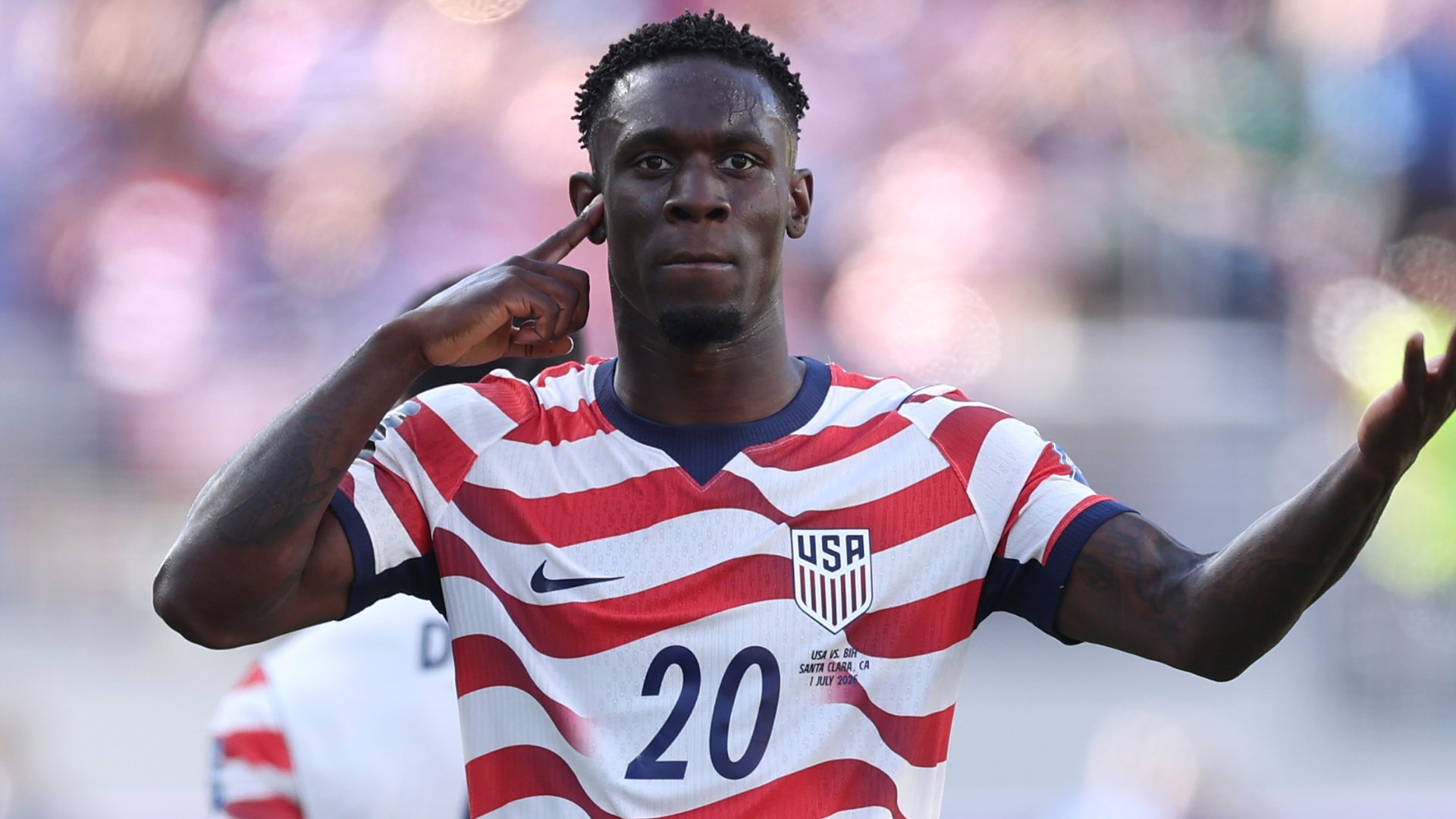
The streets of Praia turned blue on 5 July 2026. Tens of thousands of Cape Verdeans — the BBC put the crowd in the tens of thousands and described an "ocean of blue" outside the capital's airport — turned out to welcome home a national football team that had done something no one outside the country had quite expected: it had played itself into the knockout rounds of a World Cup, and left with the respect of everyone who watched.
For a 525,000-strong archipelago off the West African coast, the debut is the headline. The deeper story is structural — about how a country with no professional league of its own, and a diaspora older than the nation itself, produces a squad capable of competing with the established African powers and the European minnows of Group A.
A debut that did not look like one
Cape Verde arrived at the 2026 tournament as the second-smallest population ever to qualify for a World Cup, after Iceland at Russia 2018. According to The Indian Express, the squad's run was framed domestically as the underdog story of the tournament — a national team written off in previews, organised around a generation of European-born or European-raised players of Cape Verdean descent, and coached by a staff drawing on the diaspora's dual knowledge.
That framing is not new in African football, but the scale of the achievement is. Cape Verde had previously tried and failed to qualify for 2014, in a play-off famously decided against them with a late, controversial goal that still ranks among the continent's most disputed refereeing moments. Twelve years on, the squad that landed in North America did so with the minimum of fuss: a settled core of players in the Portuguese, French and Dutch leagues, a tactical identity, and a federation that has spent the cycle building youth structures rather than panic-buying experience.
The counter-narrative: why the caveats matter
The homecoming is a fair story, but it deserves a few qualifiers the celebratory frame tends to skip.
First, the depth of the achievement. Reaching the knockout round is significant for any debutant. But the knockout-round exit, as reported in the early wire coverage of the squad's return, leaves open a familiar question for small federations: how do you retain a generation of players whose development happened in someone else's academy? Cape Verde's football economy runs on players exported young and bought back, by reputation, when the national team calls. The federation does not run a top division of any serious financial weight; it runs a diaspora.
Second, what the wire did and did not cover. The Indian Express emphasis on "underdog" frame and the BBC's celebratory reception report together emphasise the cultural moment and underplay the competitive specifics: scorelines, opposing coaches' reactions, FIFA's stated view on expansion-era debutants. The nut of what Cape Verde actually did on the pitch is reported elsewhere in the global feed; this article runs only on the source items above.
Third, who benefits commercially. A run like this typically moves jersey sales, sponsorship inquiries and diaspora tourism. Whether any of that translates into a sustainable grassroots pipeline — or whether the federation treats the windfall as a one-off — is the question that will decide whether the next cycle begins from a higher floor or resets to square one.
The structural frame: African football's diaspora problem
Africa's smaller federations — Cape Verde, Comoros, The Gambia, Mauritania, Guinea-Bissau — have all, at various points, punched above their demographic weight by leaning on European-born or European-raised players of heritage descent. The arrangement works because it solves a problem African football cannot easily solve alone: where does a country with limited coaching infrastructure, no top domestic league and patchy scouting get a generation of technically fluent, professionally match-fit players in their twenties?
The diaspora provides the answer. The trade-off is that the squad's identity is partly contractual. A Cape Verdean-eligible midfielder at a Ligue 1 club has options; he does not owe Cape Verde the loyalty a domestic-system player owes his national federation. The model is fragile by design: it depends on individual choices by individual players, which is exactly why Cape Verde's run — built on a stable core that has now spent multiple cycles together — is less miraculous than it first looks.
It also sits inside a broader pattern in which FIFA's expanded 48-team World Cup, and the wider trend toward globally mobile talent, tilt the qualifying arithmetic toward federations willing to organise around a diaspora. Larger African football powers — Nigeria, Ghana, Cameroon, Senegal — do not need the diaspora in the same way. Smaller ones increasingly cannot do without it.
Stakes: what the next four years decide
If the federation's read of the moment is right, the 2026 cycle will be remembered as the moment Cape Verde stepped from curiosity into established-tournament participant. The next four years run through the 2030 qualifying campaign, where the bar is higher and the opponents less forgiving of a debutant's surprise factor. The structural question is whether the federation invests the post-tournament goodwill into coaching, scouting and a domestic pyramid that would, in time, reduce the diaspora-dependence. The alternative — treat the cycle as a one-off, wait for the next favourable qualifying draw — would leave the achievement frozen at the level of a charming headline.
The homecoming crowd, blue as ever, suggests the country has decided. The federation's job is to match that decision with infrastructure, not nostalgia.
Desk note: Monexus frames this as a structural story about how small African federations build competitive sides in a talent market dominated by European leagues, not as a portrait piece about one coach or one match.