Cape Verde's 120 minutes in Miami: how the smallest nation at the World Cup pushed Argentina to the brink
An island nation of roughly 600,000 took the defending champions into extra time. The result was 3-2, but the story was Cape Verde.
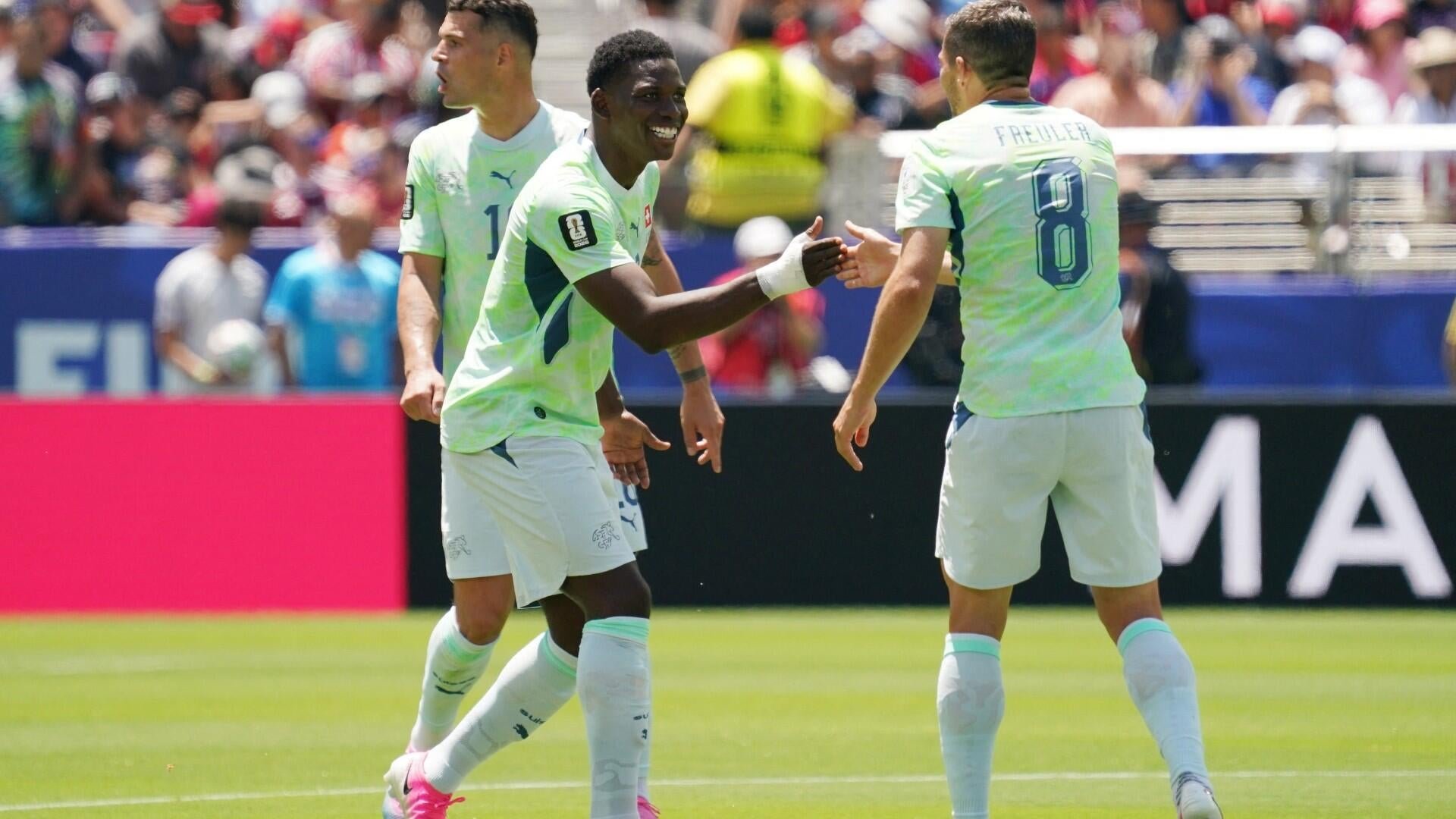
At Hard Rock Stadium in Miami late on Friday night, Lionel Messi tucked away his seventh goal of the World Cup and Argentina survived one of the more uncomfortable ninety-plus-thirty minutes of their title defence. The final score, after extra time, was 3-2 to the reigning champions. The match that produced it was something else entirely: a round-of-32 contest in which Cape Verde — a country with a senior squad drawn, in significant part, from the diaspora across Europe — repeatedly cut through the defending champions and led for long stretches before Messi's interventions tipped the tie Argentina's way (BBC Sport, 4 July 2026; ESPN, 4 July 2026).
This was, on paper, the kindest draw Argentina could have asked for after the group stage, and the kindest round Cape Verde's run could have ended on. It also produced the most damaging of warnings. The defending champions, with a front three fronted by Messi and operating in front of a heavily Argentine crowd in south Florida, were taken to extra time by a nation whose entire registered player pool, captain included, is roughly the size of a single Portuguese third-division squad (Football, 4 July 2026).
A scoreline that flatters the favourites
Argentina's three goals came in bursts that masked the shape of the game. Cape Verde, who conceded first, equalised before half-time, took the lead in the second half, and were still level with five minutes of normal time remaining. The pattern — a Cape Verde goal or near-goal following almost every Argentine set-piece and transition moment — is consistent across the post-match reporting from both the BBC and ESPN, neither of which tries to dress up the winner's discomfort.
Cape Verde's first goal arrived against the run of Argentine possession; their second came on a counter that the BBC's match report describes as having briefly silenced the Argentine half of the stadium (BBC Sport, 4 July 2026). The ESPN dispatch from Miami uses the word "humiliation" in its headline — a register most wire desks reserve for genuine collapses — to describe the state Argentina found themselves in at 2-1 down (ESPN, 4 July 2026).
Messi's equaliser, his seventh of the tournament, arrived in the closing minutes of normal time. His winner came in extra time. Without those two interventions, the world would on Saturday morning be reading a Cape Verde obituary of a very different kind.
The Messi roadshow, with a wrinkle
The Messi World Cup goals roadshow — coverage that has played out across Miami, Atlanta and elsewhere since the tournament began — added another entry on Friday night, but the framing inside the Argentina camp afterwards was notably cooler than the murals-and-beef-dishes mood outside the stadium (BBC Sport, 4 July 2026). Messi himself, speaking post-match, said Argentina have "many" things to correct and pointed specifically at his team's shortcomings rather than at Cape Verde's performance (ESPN, 4 July 2026).
That tone is worth registering. The instinct after a win — especially a comeback win — is to frame the surviving side as having found something. The Argentine's own read is closer to: we got away with one, and the next draw will not be this forgiving. Few of the goals Argentina conceded at this tournament have come from open play as cleanly worked as Cape Verde's two; few opponents have forced Argentina's midfield to chase the game for stretches as they did on Friday.
Cape Verde's measure, taken seriously
The BBC's piece framing Cape Verde's departure is unusually generous for a wire outlet — "the underdogs the World Cup will never forget" — and is anchored to a structural fact about Cape Verdean football rather than to sentiment (BBC Sport, 4 July 2026). The senior squad is essentially a diaspora team: a starting eleven in which several players were born in Lisbon, Rotterdam, or Greater Paris, with Cape Verdean heritage on at least one side of the family and Cape Verdean passports behind that.
That diaspora model is what allowed a country of about 600,000 people to qualify in the first place. It is also what made their performance in Miami genuinely competitive rather than a feel-good run: these are players who train week-in, week-out against the best in Europe, in some of the continent's deeper professional leagues, and who come together in compressed windows under a federation that has, over the last decade, professionalised its setup in line with the country's small absolute resource base (Football, 4 July 2026).
Stakes for the bracket, stakes for Argentina
The practical consequence is that Argentina's route through the knockout rounds now runs through whichever side of the bracket emerges from Cape Verde's side. They advance, but they advance knowing they spent roughly 105 minutes looking less organised than at any point in their title defence to date. The teams behind them in the betting — Brazil, France, Spain — do not have to read the Argentina tape for weaknesses; the tape played itself at Hard Rock Stadium.
Cape Verde leave. They leave having shown that the gap between a top FIFA-ranked side and a mid-tier African qualifier, when the latter is built properly and timed right, is smaller than the FIFA rankings or the pre-match odds suggest. Whether that gap continues to narrow across this tournament, or whether Argentina's defensive structure firms up against a less clinical opponent in the next round, is the question the rest of this World Cup will now be answered against.
Desk note: Monexus framed this around Cape Verde's structural achievement rather than the Argentine recovery. The wire service led with Messi; the match, on the evidence of the playing time, was the other side's.