England's Azteca reckoning: altitude, atmosphere and the calm before Mexico's World Cup storm
Three Lions face altitude, a 75,000-strong house of horrors and a forecast that may pull kick-off forward. Mexico's manager is playing it cool; the physics of Mexico City is not.
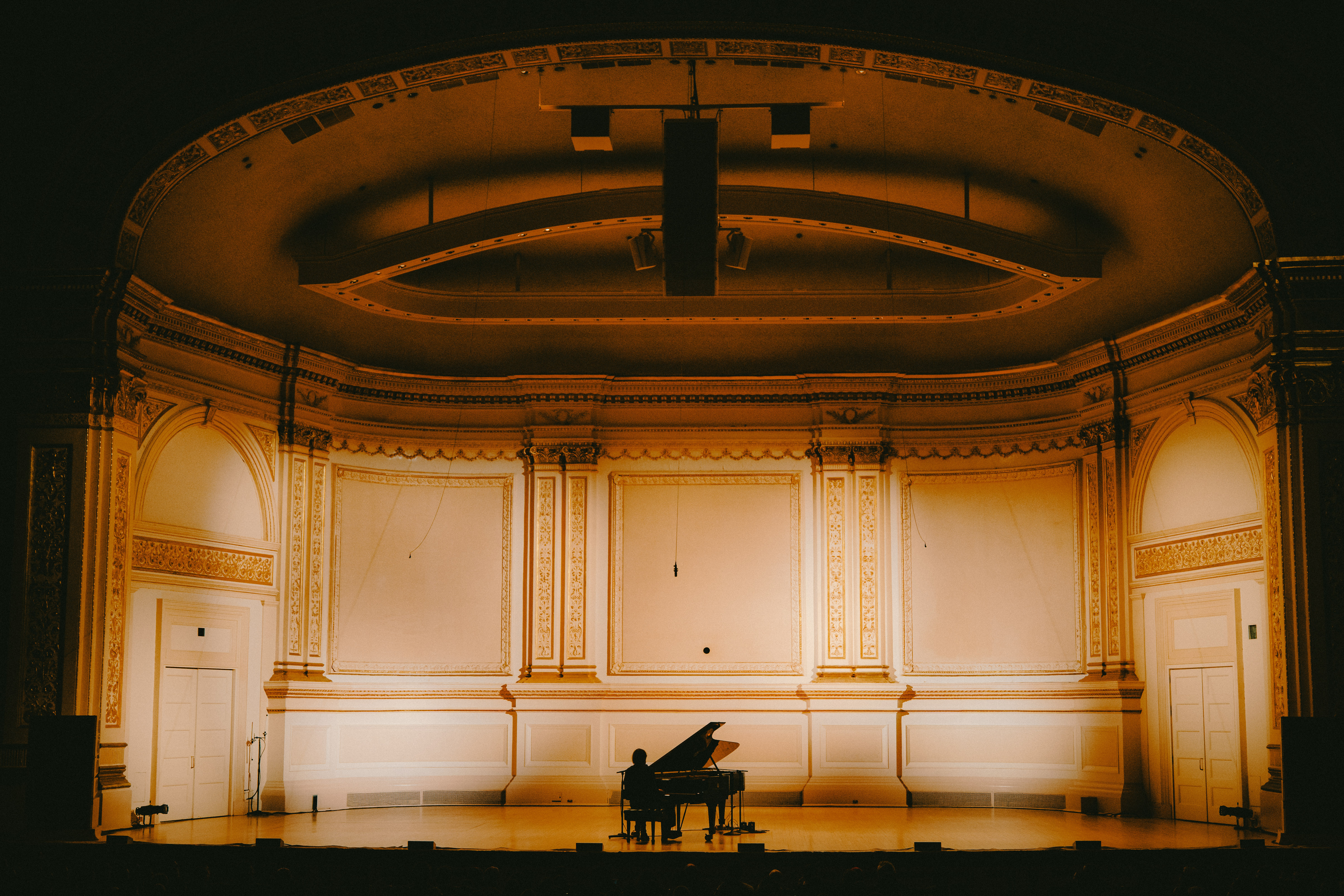
Mexico City, 5 July 2026 — Theobromed-thin air and a forecast built on cumulonimbus are doing what England's managerial staff spent the week politely refusing to discuss: turning Sunday's Round-of-16 tie into a test of phlegm as much as football. Mexico manager Javier Aguirre walked into a press room at Estadio Azteca on 4 July and made one job of it — to drain the mythology out of the venue before his players have to run inside it. England, by contrast, are still managing expectations the way a national team manages an away qualifier in continental South America: with measured words and a private fear of what 2,240 metres does to second-half legs.
What makes Sunday genuinely unusual is that the game is now fighting the weather for the right to start on time. Multiple outlets reported on 3 July that the round-of-16 fixture at Estadio Azteca could be moved earlier on Sunday to outrun severe storms forecast for Mexico City. England and Mexico's federation are, in effect, negotiating with meteorology.
The altitude argument Mexico doesn't want to have
Aguirre's framing on 4 July was deliberately deflationary. Asked about the Azteca's reputation as a fortress, he declined to lean into it. Mexico has not lost a World Cup match at the stadium in ten attempts across the tournament's history, per CBS Sports reporting on 4 July — a record that almost invites the altitude narrative to do the talking for the hosts.
The manager's instinct is sound. The minute a coach begins selling altitude as a strategy, the opposition's sports-science staff convert that quote into a training protocol: heat acclimation masks, hypoxic tents, hydration curves. England's Thomas Tuchel is exactly the kind of detail-driven operator who would treat a journalist's transcription of Aguirre as a free scouting document. Aguirre is, in other words, doing the standard pre-tournament service — protect the script, deny the opposition the headline, force them to prepare for the version of Mexico that can actually play.
The fortress El Tri built themselves
The numbers behind the Azteca mystique are real but mechanical. Mexico City's elevation of roughly 2,240 metres means thinner oxygen; ball flight travels slightly farther, recovery between sprints takes marginally longer, and the third game in seven days hits European-trained lungs differently than it hits a Liga MX player raised on that air. Add 75,000-plus supporters arranged in a configuration that punishes away goalkeepers acoustically, and you have a venue that takes a routine qualifier and turns it into a referendum on composure.
CBS Sports' 4 July preview framed the matchup as England facing "more than Mexico" — the altitude and the crowd identified as co-defenders. A player who has played at the Azteca, cited in the same piece, told the outlet that England will need to absorb the first 20 minutes and refuse to let the stadium set the emotional tone. That is the standard instruction manual for visiting the venue; it is also the instruction manual visiting teams have followed and still lost.
The counter-narrative England carry
There is a credible read in which altitude and crowd are storyline ballast rather than decisive factors. England arrive with the deeper squad, the higher per-player transfer-market value, and a manager whose career has been built on neutralising exactly the kind of emotional, transitional opponent Mexico tend to be at home. The Three Lions' attacking options have, across the group stage, scored from a variety of patterns rather than depending on a single creator — which is the structural counter to a Mexico side that will sit, counter and try to weaponise transitions.
There is also the weather wildcard. CBS Sports' 3 July reporting suggested kick-off could shift earlier on Sunday to dodge severe storms; BBC Sport reported the same on 3 July, citing the threat of storms in the Mexican capital. An earlier kick-off would marginally soften the temperature curve but would also compress Mexico's usual late-evening acclimatisation — the body clock peak that traditionally favours the home side in Azteca fixtures that start at 21:00 local. That is a small advantage, but in a knockout round it is the kind of small advantage tournaments are decided by.
What the room is actually debating
Behind the press-conference choreography, the substantive disagreement is whether this Azteca is the one that swallowed Argentina in 2010 or a softened version after the venue's recent renovation cycle. Mexico's unbeaten World Cup record there is impressive but spans generations of opposition — Argentina in 2010, France in 2010, Croatia in 2014, Sweden in 2018 — and several of those opponents arrived with weaker squads than the England Tuchel has built. The base-rate comparison may flatter El Tri more than the modern matchup warrants.
The honest read is that altitude has a half-life: it bites in the 60th to 85th minute, when legs have spent themselves and decisions have to be made on tired brains. If England score first and protect possession with discipline, the Azteca's atmospheric advantage compresses. If Mexico score first or force England into the kind of end-to-end chase the venue rewards, the 75,000-plus crowd becomes a third coach with a substitution budget.
Stakes
For Mexico, the economic and political gravity of a Round-of-16 win over England at home would be difficult to overstate — a quarter-final against the reigning European finalists on home soil would be the kind of result that defines an Aguirre reign regardless of what happens after. For England, a loss would convert a routine progression bracket into a referendum on Tuchel's project before the business end of the tournament even begins.
What remains genuinely uncertain is whether the weather moves the game. The forecast on 3 July was severe enough for outlets on two continents to take the relocation question seriously, but neither BBC Sport nor CBS Sports on those dates reported a confirmed change. Kick-off, as of this writing, is the variable.
— Monexus Staff Writer. This is a Round-of-16 fixture whose subplots — altitude physics, weather logistics, a visiting team coached by a tactical control freak — are richer than the 90 minutes will be allowed to be.