England arrive in Mexico City to boos, weather jitters and a missing Reece James
England's squad landed in Mexico City under a hail of boos from locals, with Reece James a doubt for Sunday's last-16 tie and FIFA still weighing whether to move kick-off for weather reasons.
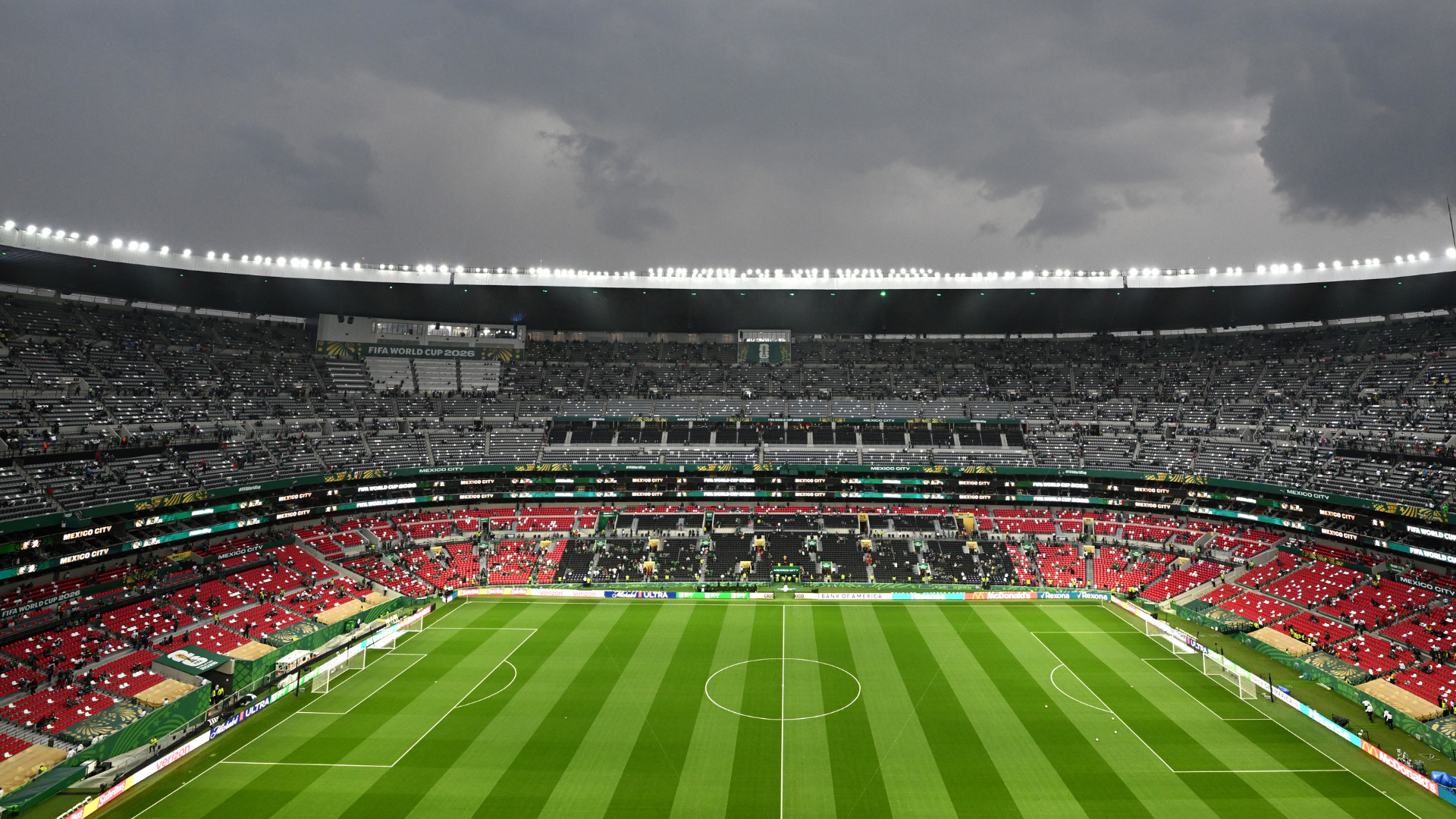
England's World Cup squad arrived at their Mexico City hotel on Saturday to a chorus of boos from a crowd of locals, an inauspicious overture to a last-16 tie the host nation has already re-engineered around security and weather. The BBC reported the hostile reception on 4 July 2026 at 07:57 UTC, hours after Mexico announced it would double security and cap capacity at the Angel of Independence monument and the central fan festival for Sunday's match.
The fixture is no routine knockout game. It is being staged in a country whose federation has spent the week responding to fan deaths around viewing events, a country whose fans greeted the visiting team as opponents rather than guests, and on a Sunday evening forecast that briefly prompted FIFA to consider pulling kick-off forward by hours. The contest now has the texture of a final: a stadium under heavy guard, an English squad trying to hide from the noise, and a Mexican team carrying the weight of a nation that has waited two decades for a World Cup on home soil.
What changed in 24 hours
Three distinct decisions converged before the teams trained on Saturday. Mexico's organising authorities moved to double security personnel and to cap capacity at the Angel of Independence viewing area and at the Zócalo fan festival, according to ESPN reporting published at 04:39 UTC on 4 July. The trigger was a string of fatal incidents at large fan gatherings — crowd surges and structural failures that have killed supporters in recent days. FIFA, separately, was in active talks about moving kick-off earlier on Sunday to blunt the risk of flooding and lightning across the Mexico City basin, The Athletic's David Ornstein reported via Telegram at 23:11 UTC on 3 July, before confirming later that the 6pm local (Monday 1am UK) start would hold.
Into that environment stepped an England delegation a defender light. The BBC's 4 July 22:13 UTC update from the camp said Reece James missed training on the eve of the match and is a doubt; Jarell Quansah, after his own fitness concerns earlier in the week, is available again. The balance of the squad has tilted: England are deeper in central defence than at full-back at a moment when Mexico's wing play is the most obvious route to goal.
The Mexican frame
There is a second way to read the boos that greeted the coach. Mexico is a football nation that has measured itself against the established order for a generation, and a home World Cup is a referendum on that long campaign. Reuters correspondents on the ground described a fan culture that treats group-stage exit threats as personal affronts and last-16 ties as occasions for national theatre. From that vantage, the booing is not hostility toward England so much as a salute to the stakes. The doubling of security is, similarly, a host country's admission that the contest has outgrown the informal fan zones that worked in 2018 and 2022.
Both readings can sit together. The Anglophone wire tends to package the boos as a diplomatic incident; the regional read is that Mexico City simply does not do quiet last-16 nights.
What the structural pattern looks like
This tournament is being run as a continent-wide production, and the early rounds have been deliberately distributed across the United States, Mexico and Canada. That choice is now showing its seams: weather that is hard to forecast in Dallas and Houston, and a Mexico City fixture list that has run into dense urban infrastructure. Security reviews normally scoped to stadium perimeters have spilled into central plazas, because the public square is now an extension of the stadium bowl. The fact that FIFA considered moving kick-off by several hours, in conversation with the Mexican federation, broadcasters and stadium authorities, captures a system that still has the levers to flex — but only just.
The deeper question is whether the three host federations can run a knockout round as a unified security perimeter, or whether each country is now improvising around its own risk profile. So far the answer is improvisation, with Mexico setting the most cautious template.
Stakes for Monday morning
For England, the contest is a survival test against an opponent they have beaten in three of the last four competitive fixtures but never quite shaken. Without James on the right side of the back four, the temptation for the Mexico attack — through the air and down the flanks — sharpens. For Mexico, a win would be the country's first knockout-stage victory at a men's World Cup on home soil, a national political event as much as a sporting one. For FIFA, the optics of fan deaths already on the Mexican side and an evacuation at a different stadium during the group stage will not survive a serious incident around the Angel on Sunday evening.
What remains genuinely unclear is the depth of the security operations beyond the stadium and the trigger point for any weather delay. The Mexican federation has not publicly disclosed the exact cap on attendance at the fan zones, only that capacity will be limited and security doubled. ESPN's reporting refers to "crowd surges and structural failures" as the cause of recent deaths, but does not name a specific venue or event as the proximate cause; the BBC's match previews refer to the broader risk environment without quantifying it. The official line from Mexico is that the match proceeds; the operational line is that every contingency is now on the table.
Wire provenance
This editorial synthesis draws on the following public wire/social posts:
- https://t.me/David_Ornstein/1419
- https://t.me/David_Ornstein/1418