Tuchel tells England to write their own chapter against Mexico, as Reece James races the clock
On the eve of England's last‑16 tie in Dallas, Thomas Tuchel rejected the revenge frame and put the focus on a fit‑again Jarell Quansah — while Reece James sat out training with the squad uncertain over his availability.
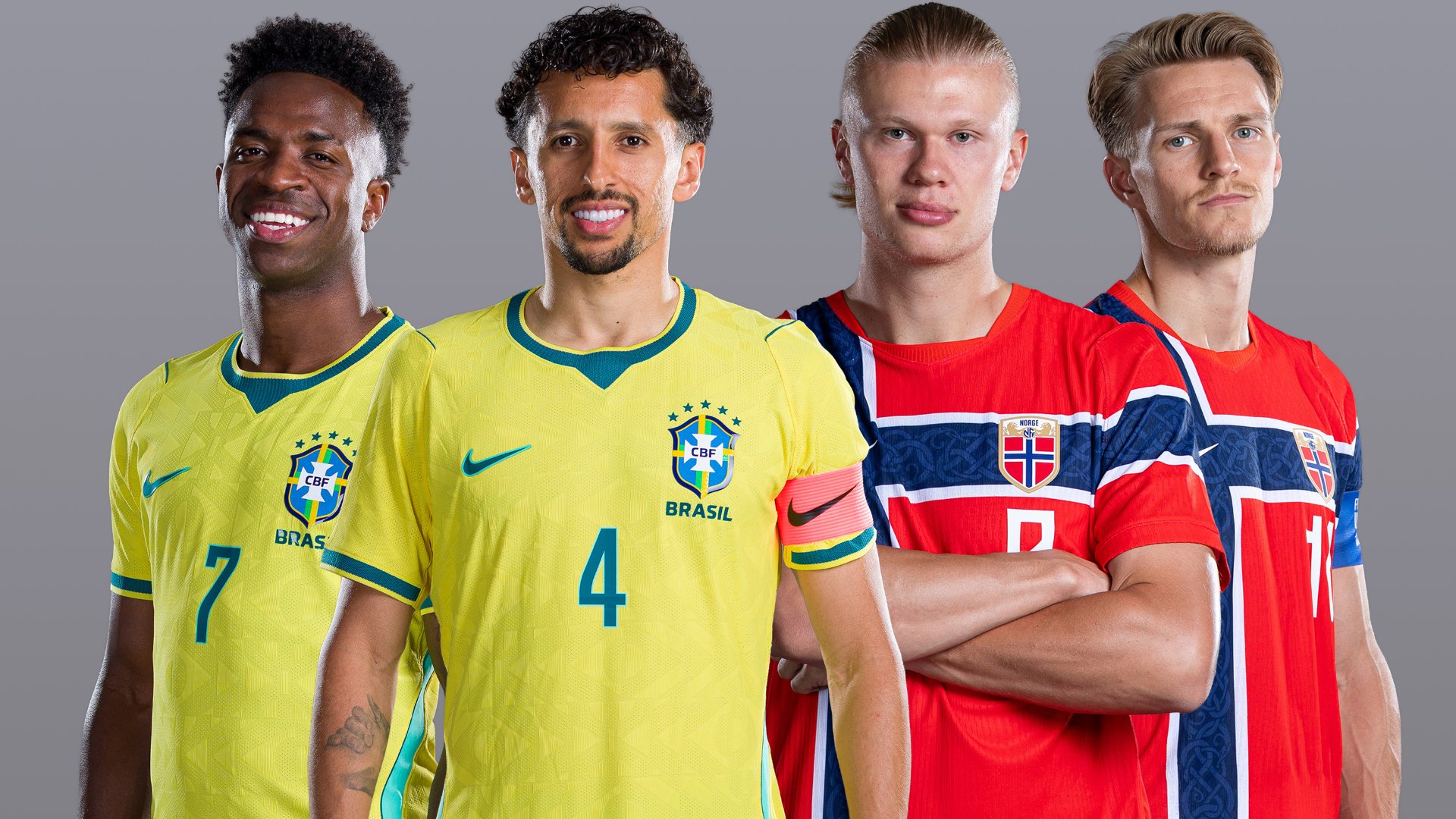
At 00:39 UTC on 5 July 2026, England's pre‑match press conference in Dallas produced a single, deliberate line from Thomas Tuchel. "We're not here for revenge," the manager said. "We're here to write our own chapter & we are ready." Captain Jordan Henderson, standing beside him, framed the occasion in stadium terms rather than rivalry terms: "It doesn't get much bigger than playing Mexico at this stadium — no words." The setting was AT&T Stadium in Arlington, Texas; the next morning's assignment was a knockout tie against El Tri, and the messaging was carefully aimed at a different register than the one Mexico's camp has been leaning into all week.
England arrive at this fixture with a manager who has had four months to install a structure and a squad that has done what England squads have not always done in recent tournaments — qualify directly, and with the look of a side that is not quite finished assembling. The match on 6 July is the first time the round of sixteen can be lost, not the first time it must be won, and Tuchel is plainly trying to clear the air of any lingering romanticism about 1986 or any other ghost. The squad update carried in parallel is more concrete than the messaging. Reece James missed training on the eve of the tie; Jarell Quansah, after a spell out, is fit again. Those two lines, more than any quote from a press conference, will determine the shape of England's afternoon.
The message Tuchel is trying to kill
"Revenge" is the wrong word for what an England‑Mexico fixture in 2026 actually is, and Tuchel knows it. The 1986 World Cup quarter‑final — the Hand of God, the linesman's flag, Gary Lineker's equaliser and Diego Maradona's second — has been the gravitational centre of this rivalry in English football memory for forty years, and Mexican football media has spent the week gently pulling that string. Tuchel's first move was to cut the string. By reframing the tie as a fresh page rather than a settled score, he hands his players permission to treat it as a football match: pressing triggers, set‑piece assignments, transitions. He also denies Mexico's narrative the oxygen of grievance it was looking for.
The subtext matters. England have not won a knockout tie at a World Cup since 2018. In the two tournaments since, they have lost to France (2022) and to whichever of Spain or Germany finished top of their group before that. None of those defeats were to Mexico. National teams that walk into knockout football carrying the wrong historical freight tend to lose their sharpness in the first twenty minutes. Tuchel, whose own World Cup history is as a consultant who watched Germany beat Argentina in 2014 from the stands of Maracanã, is plainly not interested in writing the story for his opponents.
The squad math
The single most useful piece of information to come out of the 4 July evening, ahead of those quotes the following morning, is the fitness update. Reece James, who has been one of the more reliable performers of England's group stage — and who scored and assisted in the group closer against whatever the press release has to say about who finished where — did not train. Quansah did. The immediate arithmetic is small but consequential: if James is unavailable, Tuchel loses his most natural right‑back in a tournament where England have not yet had a fully fit back four to pick from. If Quansah is fit, he is the readymade replacement at centre‑back that lets the manager keep Tino Livramento or Kyle Walker at full‑back and not panic about the spine.
There are three plausible versions of the back line on Monday. The first has James declared fit after the missed session and starting at right‑back. The second drops Marc Guéhi or Quansah into the right side of central defence and reshuffles from there. The third pushes Myles Lewis‑Skelly or Livramento higher up the pitch in a wing‑back system, which Tuchel has used sparingly and not yet in a knockout match. England have conceded in every group game; whichever version of the back line starts, the defensive shape is the part of the team plan most exposed to a Mexican side whose counter‑attacking has looked the most coherent part of its tournament football.
Mexico's frame, and the one Tuchel is rejecting
Mexico's coach has been notably less coy about the historical register. The country has not reached a World Cup quarter‑final since hosting in 1986, and a win over England at AT&T Stadium would be the first knockout victory against a European side at the tournament in living memory. Mexican press has been framing this as the night El Tri settles the books; Tuchel's "own chapter" line is the structured answer to it, designed for an England dressing room that does not need to be told what 1986 means. It is also a message aimed square at the broadcast cameras, partly because Mexico's frame can be made to collapse if England can keep a clean sheet for the first forty minutes.
The honest assessment is that Mexico's frame has more in it than pure sentiment. They are tactically organised, they have pace on the break, and the prospect of England trying to dominate possession while being watched by a stadium in which Mexican supporters will be a majority is real. The structure of the game is likely to be a slow possession English first half against an El Tri side happy to sit, absorb, and try to break in behind the right‑back slot where James has looked the most likely source of width. Whichever team blinks first defensively loses; that is the actual shape of the tie, underneath the messaging.
The nuance worth flagging is that the sources available do not specify whether James is genuinely a doubt for the starting eleven, or whether the missed training was a precaution taken on a player with a knock from the final group game. BBC Sport's 4 July update called him "doubtful," which in tournament parlance is rarely the final word and often a negotiating position with the medical staff. Quansah's return is the single piece of confirmed news on the depth chart, and the only one that gives Tuchel a clean defensive call regardless of James's final status.
England kick off at AT&T Stadium on 6 July, in the first knockout game of a tournament that has been, by their standards, almost entirely on schedule. The test of Tuchel's "own chapter" line will not be whether the press like the sound of it; it will be whether his back four can go forty minutes without conceding one. That, more than any quote, is what an England squad arriving at the business end of a World Cup is measured by, and the manager knows it.
This piece was filed by Monexus on the eve of the round of sixteen; coverage follows the wire rather than Tuchel's framing, while flagging that England have not yet kept a clean sheet in the tournament.
Wire provenance
This editorial synthesis draws on the following public wire/social posts:
- https://t.me/David_Ornstein
- https://t.me/David_Ornstein