Heat, rain and crowd-control arithmetic at America's 250th birthday fair
A milestone Independence Day fair on the National Mall closed twice in 48 hours for heat, then storm warnings — exposing how thin the planning margin is when spectacle meets climate and crowd counts.
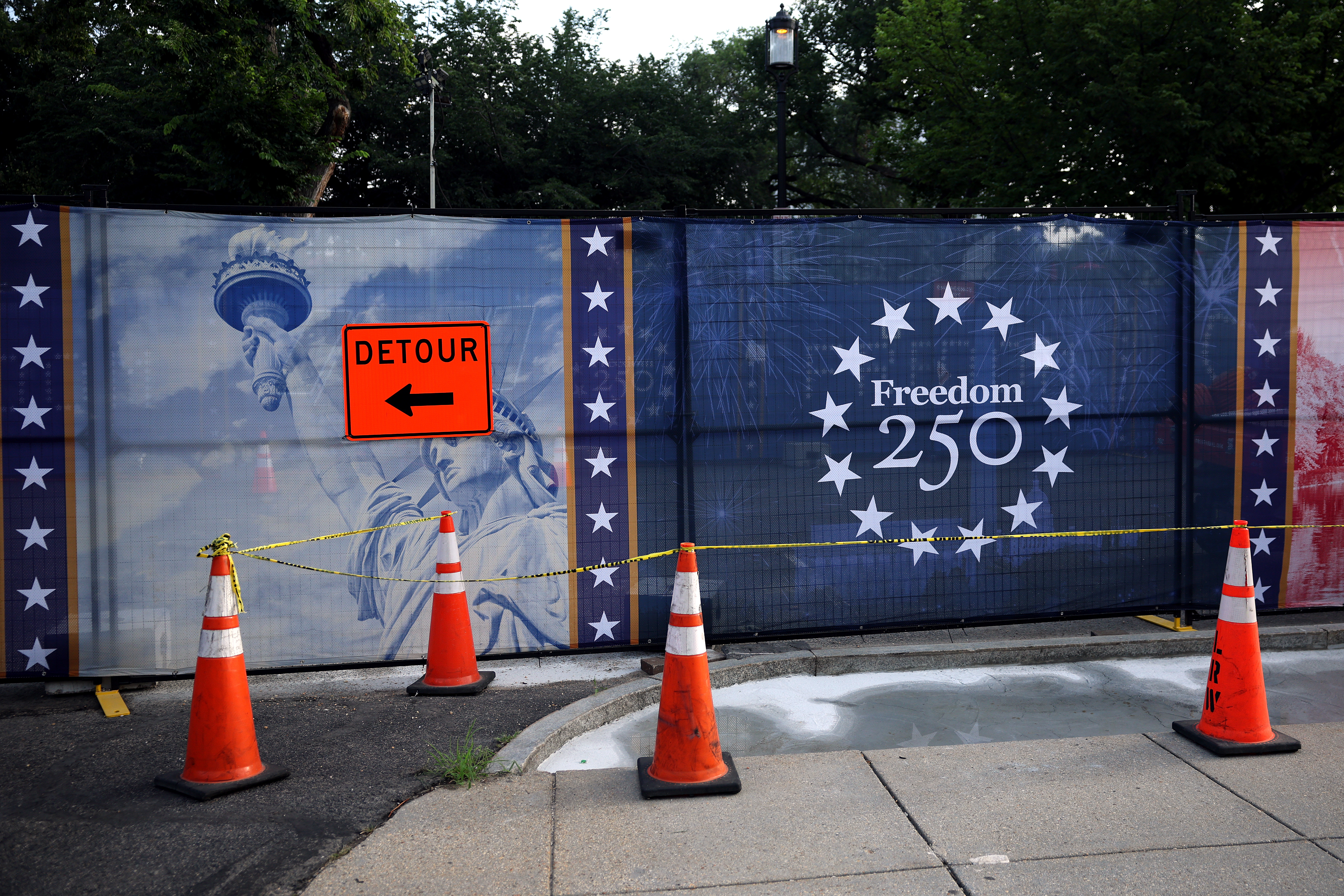
Within two days of opening, the Great American State Fair — Washington, D.C.'s flagship civic spectacle for the country's 250th anniversary year — has been shut down twice. First for extreme heat on 2 July 2026, then for incoming storms late on 4 July, with attendees directed to the exits as Artemis II astronauts waited to take the stage. The pattern is less a story about weather than about the gap between what a festival of this scale promises and what an unprepared site can deliver when the thermometer or the radar moves.
A state fair on the National Mall was always going to be a logistical stretch. Staging it during a documented heat dome, then asking it to absorb pop-up thunderstorms, sets a planning margin measured in single-digit degrees. When that margin evaporates, the federal symbolism of the event — astronauts, FIFA fan zones, military flyovers in earlier reporting — collides with the prosaic arithmetic of hydration tents, shade structures and evacuation corridors.
A 48-hour shutdown cycle
According to a Polymarket wire post at 19:11 UTC on 3 July 2026, the fair was temporarily closed earlier in the week because of extreme heat in the District of Columbia. The next evening, an OSINTdefender post at 23:21 UTC on 4 July reported that, with incoming inclement weather, the Great American State Fair and a FIFA Fan Zone event were being postponed and attendees directed to the exits. The same Polymarket channel had noted at 00:10 UTC on 4 July that Artemis II astronauts had been scheduled to appear at the fair that day — placing a high-profile NASA contingent inside a venue that would, hours later, be cleared.
Two unscheduled wind-downs inside a single festival weekend is the kind of operational metric that planners watch closely. Event organisers have not, in the public sources available, released attendance or medical-incident figures from the heat closure; the storm closure, by contrast, was ordered while crowds were already on site, making the exit flow the operational variable that mattered.
The climate ceiling
The District sits inside a wider Eastern United States heat pattern, and heat indexes have been running high across Mid-Atlantic states through the first week of July. The fair sits on tarmac and exposed granite — a heat island at the best of times — and the threshold for suspending a federal-adjacent event is, for obvious liability reasons, lower than for a county fair. The Heat Vulnerability Index for the Mall corridor, on any published reading, does not flatter the site.
That's the structural problem. The 250th-anniversary calendar is fixed: 4 July and a summer of marquee civic moments. The climate ceiling is not. When the two collide, the calendar always wins on paper and the weather always wins on the ground.
Symbolism versus throughput
The fair's programme reflects the standard federal-mix format — civic ceremony plus commercial activation plus international-sport hook-ups (the FIFA Fan Zone sits inside the same perimeter). Artemis II is the marquee NASA crewed lunar flyby of the year; placing them on the Mall on 4 July sends a particular signal about where the country's space programme sits in the national story. The signal is, however, undercut when the stage is empty, the PA is asking people to leave, and the photos that travel are of crowds being shepherded out, not rockets being honoured.
There's an alternate read worth weighing: a federal civic complex that can be evacuated cleanly in bad weather is a civic complex that has spent money on egress and signage. The visible story is the cancellation; the invisible story is the planner who made the evacuation fast. Both are true. What tilts the balance toward a critique is the second shutdown in 48 hours — at that point the pattern is the story, not the response.
What remains uncertain
Public sources don't specify medical-incident counts from the heat closure, attendance figures, or how many of the planned Artemis II appearances were rescheduled versus cancelled outright. Whether the FIFA Fan Zone's postponement is a one-day weather event or a longer recalibration of the summer calendar isn't yet visible in the wire. What is visible is the operational signature: a site that has now twice found its weather threshold inside one weekend.
For a country trying to put its best civic foot forward in a milestone year, the lesson is boring and important. Spectacle is cheap; throughput under climate stress is expensive. The Mall just showed the difference.
Monexus read this story against OSINTdefender's on-the-ground posts and Polymarket's wire relays rather than a single wire of record; the official-event release will set the cleaner timeline.
Wire provenance
This editorial synthesis draws on the following public wire/social posts:
- https://twitter.com/Polymarket/status/1810300000000000000
- https://twitter.com/Polymarket/status/1810300000000000001
- https://t.me/s/osintlive