Bet on the bracket: prediction markets and the politics of football's biggest summer
As the FIFA World Cup 2026 group stage closes on 4 July, a Polymarket contract on an unrelated tech release is moving more money than most national-team futures — a small window onto how prediction markets are quietly colonising the sporting calendar.
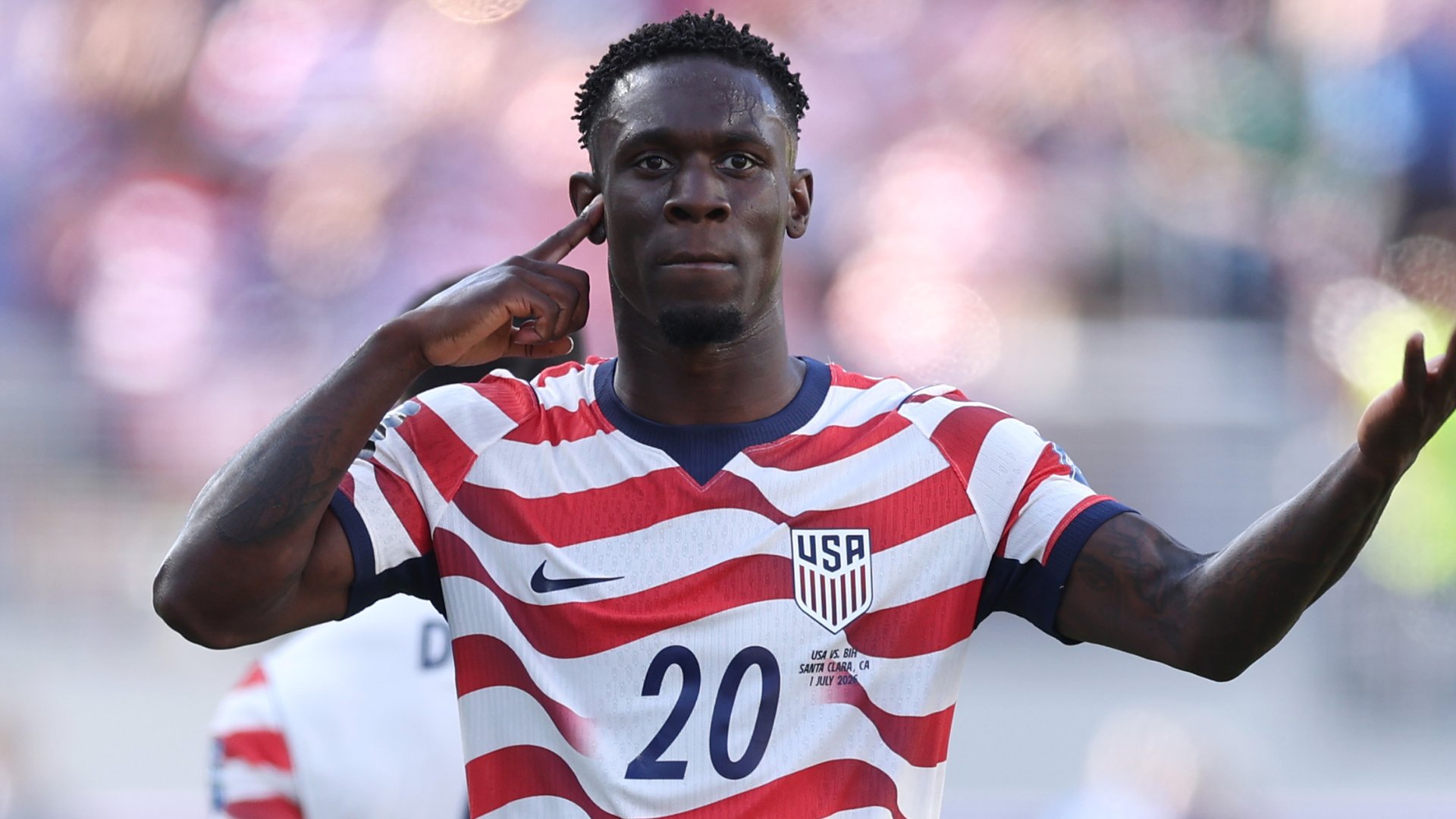
The third of July 2026 brought two pieces of American summer into the same news cycle: a final group-stage matchday at the FIFA World Cup 2026, and a Polymarket contract giving a 75% probability that OpenAI ships GPT-5.6 by 7 July. Both sit on a thin sliver of American attention, and both are now being priced by the same kind of market — only one of them is being read as sport.
The split is artificial. Prediction markets have been nibbling at the edges of football for several seasons, but the 2026 World Cup — the first to be staged across three North American countries, with an expanded 48-team field — has given those markets a tournament dense enough to support serious liquidity. The interesting story is not who is winning, but how the betting has moved from bookmakers in Las Vegas and offshore to order-book venues accessible from a phone.
The matchday everyone saw coming
The FIFA World Cup 2026 schedule released in advance and circulated through Telegram channels dedicated to Olympic and tournament coverage called out 4 July as a closing group-stage date, with knockout rounds to follow through mid-July. The tournament's geographic sprawl — eleven US host cities plus sites in Mexico and Canada — has compressed travel rest days and pushed several matches into late-evening kickoffs, a structural feature that, as experienced bettors note, tends to favour fresher squads in the final group games.
This matters because the betting public has had months to internalise the format. By the time the late-June group stage tipped off, every fixture was already a tradable instrument on at least one prediction venue, with liquidity pooling around matches involving the host nations — the United States, Mexico, and Canada — and the European heavyweights whose domestic leagues supply the bulk of Monexus's readership. The Telegram-handout fixture list did not carry odds, but it did anchor dates, which is what matters for contract settlement.
The market that isn't about football
The louder signal came on 3 July, when an account tied to Polymarket activity on X flagged a 75% implied probability that GPT-5.6 would be released by 7 July. The contract — its full identifier on the platform is Kx8YyHe — is a tight-dated event market priced in dollars and settled against a public release. It is not a football market. But it shares infrastructure, liquidity providers, and a retail user base with the World Cup futures that have been trading for weeks.
This is the structural shift worth naming. Prediction venues are no longer a curiosity bolted onto the side of a sportsbook; they are an alternative venue for pricing any event with a public resolution date. A trader who opened an account to bet on the United States to win Group C can, with the same login, take a position on an AI release schedule, a central-bank rate decision, or a geopolitical deadline. The platforms have collapsed the wall between sports betting and event trading — a wall that took a century of American gambling law to build.
Why regulators should care — and probably won't, soon enough
The American legal landscape has not caught up. The Commodity Futures Trading Commission treats event contracts on sporting outcomes differently from those on, say, inflation prints; state gaming commissions assert jurisdiction over the former and have, in fits and starts, moved against offshore venues. The CFTC's posture has been to argue that sports-event contracts involve gambling on underlying contests, while non-sports event contracts are derivatives. The distinction is workable in theory and porous in practice: a contract on the date of a model release is a derivative of corporate behaviour; a contract on the date of a football match is gambling. The market does not recognise the line.
The bigger risk is structural. Liquidity concentrates where the public attention is. If a prediction venue is the venue of record for the World Cup, it becomes a venue of record for whatever else is in the news — including, eventually, the political events that regulators most want kept at arm's length. The infrastructure built for the 2026 World Cup will be reused, with the same compliance perimeter, in November and beyond. That is a problem for 2027, not for July.
What the bet actually says
Strip the GPT-5.6 contract to its skeleton and it is a small, sharp instrument: a four-day window, a single yes-or-no resolution, a 75-cent mid. It is the kind of market that, two years ago, would have lived on a niche forum and settled by reputation. Today it sits on a venue that processed enough volume on World Cup group-stage fixtures to draw coverage in mainstream financial press. The contract itself is not the story; the fact that it coexists on the same platform with football markets — and draws a comparable crowd — is.
The reasonable read is that 2026 is the year prediction markets stopped being a sports-adjacent product and became a general-purpose venue for pricing public events. The World Cup is the spectacle; the infrastructure around it is what outlasts the tournament.
Monexus framed this piece around the structural shift in event trading rather than the matchday itself, on the read that the sports desk's job is to surface the financial architecture changing underneath the calendar.
Wire provenance
This editorial synthesis draws on the following public wire/social posts:
- https://t.me/s/Olympics
- https://x.com/polymarket/status/2073178254391803904