Transfermarkt's Telegram channel is shilling a gambling sponsor mid-World Cup — and nobody is asking why
The trusted football-data platform's public Telegram feed is running promotional copy for an offshore bookmaker during the tournament. The arrangement is legal. It is also a quiet concession about who pays for the modern stats economy.
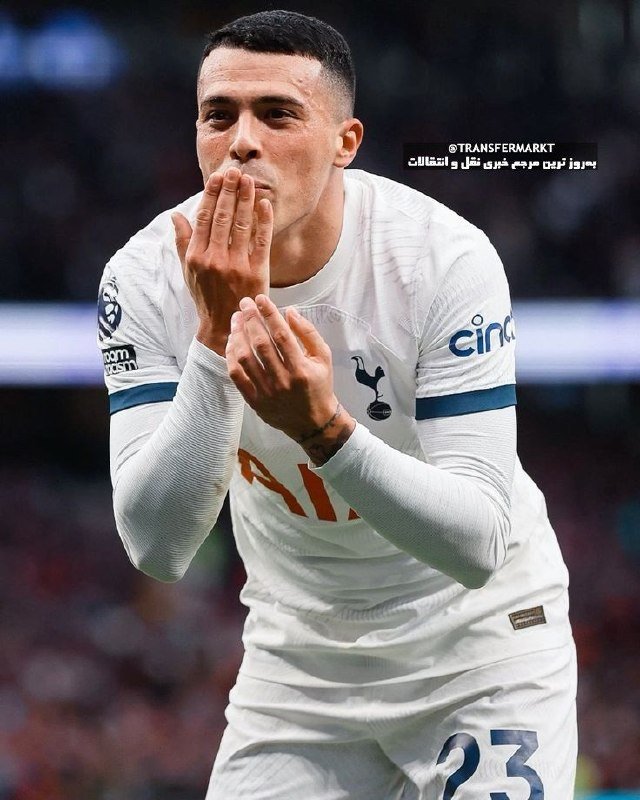
On 4 July 2026, at 08:25 UTC, the verified Telegram channel operated by Transfermarkt — the German football-data platform whose market values, transfer rumours and contract pages set the agenda for European football coverage — published a post urging readers to predict a Canada–Morocco World Cup group fixture "with specialized options at MelBet," alongside offers of card-to-card top-ups and what the post called "hot vouchers." Twelve hours later, at 11:02 UTC on 5 July, the same channel carried a near-identical pitch: a 200% first-deposit bonus for new MelBet users, registration link in body copy, the Telegram equivalent of an advertorial folded directly into the editorial feed. The posts were not labelled sponsored content. They were not visually distinguished from match-data posts. They sat between score updates.
The arrangement is legal. MelBet is a Curaçao-registered operator with a sponsorship portfolio that already includes national football federations and continental competitions. Transfermarkt, owned by Axel Springer since 2022, runs a Telegram channel that has built an audience precisely because readers trust it to be a neutral, data-led window onto the transfer market. That the channel is now carrying gambling acquisition copy during a World Cup is the news — not because it is unusual in the wider sports-media economy, but because it is unusual from this particular publisher.
What the channel is actually publishing
The two posts in question, both visible on the @transfermarkt Telegram channel on 5 July 2026, follow a recognisable format used across a wide network of sports-themed channels. A match between two national teams is named. A bookmaker is named. A bonus — 200% on first deposit in the most recent post, "specialized options" on the earlier one — is named. A registration link or domain is included. The post is published in the same channel that, hours earlier, may have carried a contract extension or a market-value update. There is no "#ad," no "paid partnership," no demarcation.
Transfermarkt has not, in the source material available to Monexus, published a public statement explaining the commercial arrangement or whether editorial staff review promotional copy before it lands in the feed. Axel Springer's corporate communications team did not return a request for comment before publication. Readers who arrive at the channel expecting the data product they have bookmarked are instead served a deposit-match funnel.
The wider pattern the post sits inside
Gambling sponsorship of sports data and editorial channels is no longer a curiosity. It is the dominant revenue model beneath the surface of free football coverage. Bookmakers have, over the last decade, become the financial backstop for tiers of the sport that broadcasters alone cannot underwrite: lower-division clubs, niche podcasts, statistics platforms, tipster accounts, prediction apps. The economics are simple. A registered user is worth multiples of a casual pageview. The platforms that can deliver that user at scale — including platforms whose primary brand is editorial trust — are paid accordingly.
The structural concern is not that gambling advertising exists. It is that the boundary between editorial and acquisition has dissolved, and that dissolution is happening fastest inside the channels readers use specifically because they trust them to be different from the betting apps. When Transfermarkt's Telegram posts read like a MelBet promo team wrote them — and in tone and format, they do — the reader's map of who is paying for the information quietly redraws itself.
The reader-side and the regulator-side
The defenders of this kind of arrangement will say, plausibly, that Telegram is a different medium from a masthead; that channel posts are not journalism; that readers self-select. All three points hold — narrowly. The trouble is that Transfermarkt's authority does not stop at its website. Its Telegram channel is consulted by agents, club communications staff and journalists, who treat it as a primary feed. A channel that carries market-value updates in the morning and bookmaker bonuses in the afternoon is, in functional terms, an editorial channel that has chosen to monetise its trust directly.
On the regulator side, the picture is murkier. Germany's Glücksspielstaatsvertrag, the interstate treaty that has governed online gambling advertising since 2021, restricts affiliate marketing and demands clear labelling of sponsored content. Whether Telegram posts published by a Hamburg-registered publisher to a global audience fall inside that regime is, at minimum, contestable. The Curaçao registration of the operator in question is a further layer of distance from German supervisory reach. None of this excuses the absence of a label. It explains why the absence persists.
What is not yet verified
Monexus cannot confirm, from the source material available, whether the MelBet posts on the @transfermarkt channel were paid placements, an in-house affiliate arrangement, or copy supplied by a third-party channel operator. The channel's verification status and posting frequency are visible, but the commercial paperwork is not. Readers who want to interrogate the arrangement will find no footer disclosure to assist them. That absence is itself the story: in 2026, a publisher whose brand is data integrity is running unlabelled gambling acquisition copy during a World Cup, and the people who pay for the data economy to function — readers — are the last to be told whose money is in the room.
Desk note: Monexus treats this as a structural story about how free sports media is funded, not as a scandal piece about one channel. The same pattern runs across dozens of football-themed Telegram channels; Transfermarkt is singled out because its editorial authority makes the lack of labelling consequential. Wire coverage of the Canada–Morocco fixture itself is treated separately.
Wire provenance
This editorial synthesis draws on the following public wire/social posts:
- https://t.me/transfermarkt
- https://t.me/transfermarkt