When a president calls FIFA: how geopolitics reached the touchline
A US president's intervention with football's governing body has overturned a one-match ban, leaving Belgium with grounds for appeal and reigniting questions about political influence on the sport.
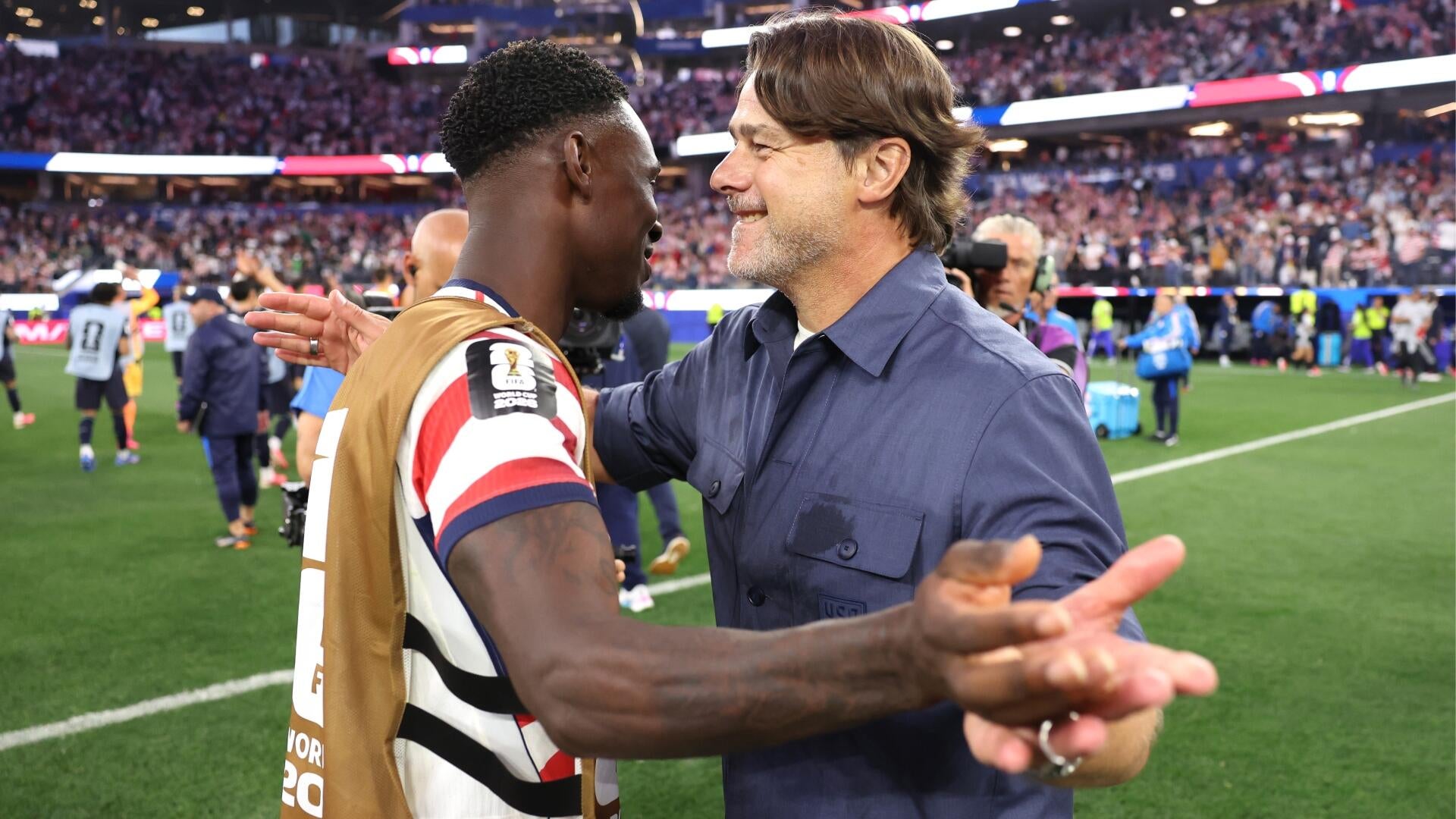
Belgium's football association was on Monday granted the right to appeal against FIFA's decision to overturn the one-match suspension of US striker Folarin Balogun, a ruling the federation now says was reached after direct intervention by US President Donald Trump. The Athletic, reported by France 24 at 09:22 UTC on 6 July 2026, frames the case as an unprecedented collision between a sitting head of state and the disciplinary machinery of world football. France 24's earlier press-review item at 08:41 UTC on the same day noted the lobbying dimension explicitly, with Trump pressing FIFA to lift the ban.
The story matters less for the merits of any single booking than for what it reveals about how football's governing institutions now operate. A federation that markets itself on the universality of the sport has been shown to be reachable by the most powerful office in the world.
The facts of the case
Balogun, born in New York to Nigerian parents and raised in England, was shown a red card during the United States' group-stage match and handed a one-match suspension that would have ruled him out of the next fixture. FIFA's appeals committee later cleared him, allowing him to feature again. Belgium's federation, preparing for what the bracket made the most consequential match of their tournament, sought to challenge that decision. The Court of Arbitration for Sport, the Swiss-based body that sits as the final arbiter for most sporting disputes, granted Belgium the right to appeal on Monday, according to France 24's 09:43 UTC bulletin. A hearing date has not yet been disclosed.
A presidential phone call
The element that distinguishes this case from a routine disciplinary dispute is the reporting, attributed by France 24 to The Athletic, that Trump personally lobbied FIFA to overturn the suspension. The US Soccer Federation is a member of FIFA in good standing and would, in the normal course of business, file its own appeal through the proper channels. The involvement of the White House turns a procedural challenge into a political one. It also produces an asymmetry: any federation that wishes to contest a future ruling must now weigh the possibility that the United States will mobilise its full diplomatic weight on behalf of its players.
Why FIFA is vulnerable
Football's governing body is structurally exposed to this kind of pressure. Its revenues depend on broadcast rights in the world's largest media markets; its brand rests on access to the biggest national teams; its political base in Zurich sits in a country where major powers routinely make representations to international institutions. The organisation has spent two decades professionalising its disciplinary process, but the appeal system still depends on the willingness of committees to absorb political heat. When a head of state is reported to have weighed in directly, that willingness is tested. The Balogun case is a stress test, not an anomaly.
The stakes for Belgium — and for everyone else
Belgium's appeal is narrow: a single striker's availability for a single match. The principle is wider. If CAS upholds FIFA's reversal, the precedent says that a politically connected federation can secure outcomes through channels outside the formal disciplinary process. If CAS overturns it, the message is that the system retains a measure of independence — but only when the aggrieved party has the resources and standing to push the case to the end. Federations without a major-media market behind them rarely do. The plausible alternative reading is that the Balogun decision was reached on the merits, that Trump's intervention was reported but did not alter the outcome, and that Belgium's complaint is the natural reflex of a federation that lost. The evidence available does not yet allow a firm judgment on which version is correct. What can be said is that the perception of political influence, once established, is itself a cost — and that cost is now being paid by the institution rather than by any individual official.
Stakes beyond the pitch
The World Cup is the most-watched event on earth, and every disciplinary ruling made during it is broadcast to an audience measured in billions. When a head of state's involvement is reported, the political economy of the sport shifts. Sponsors, broadcasters and national federations all price political risk; a tournament in which outcomes are seen to track geopolitical alignment becomes a less valuable property. The lesson of the Balogun case is not that Trump did anything procedurally novel — federations lobby FIFA constantly — but that he did it loudly enough for the world to see.
The Monexus desk treated this as a governance story first and a sports story second. The wire coverage led on the disciplinary facts; the more durable question is what the case tells us about how international sporting institutions absorb political pressure from major powers.
Wire provenance
This editorial synthesis draws on the following public wire/social posts:
- https://t.me/france24_en